




Description
Common Jazz Wallpaper Mural Themes and Imagery
Jazz wallpaper murals are a popular and vibrant way to bring the energy, rhythm, and artistic flair of jazz music into a living or commercial space. They serve as large-scale, custom artwork that instantly sets a sophisticated and musical ambiance.
Jazz wallpaper typically captures the spirit of the music through a variety of visual styles:
Jazz Musicians Wallpaper Mural
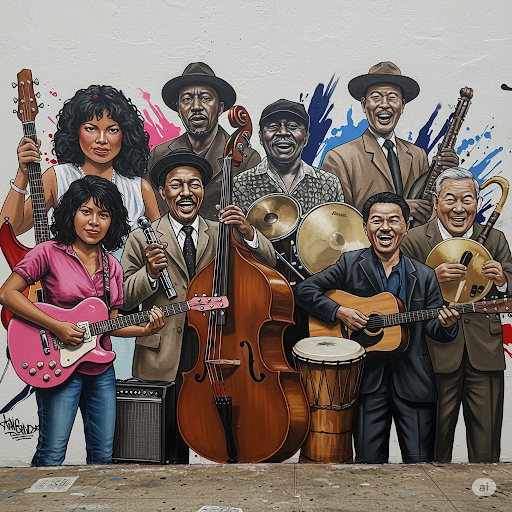
These murals are designed to vividly capture the kinetic, raw energy of a live performance. They freeze a moment of musical passion in time. But the imagery often moves beyond simple portraiture to feature dynamic silhouettes or hyper-realistic illustrations of musicians utterly consumed by their craft. The visual focus is almost always on the interaction between the artist and the classic tools of the trade. The arch of a saxophonist’s back as they hit a low note, the blurred hands of a drummer in motion, or the puffed cheeks of a trumpeter.
The background plays a crucial role. Often suggesting a dimly lit stage, a crowded basement club, or a spotlight cutting through stage fog. This emphasizes the performer-audience connection and the sheer joy of creation. By placing this on a wall, you aren’t just decorating; you are simulating the feeling of being front-row at a gig. And making the room feel alive, loud, and vibrant.
Abstract and Rhythmic Jazz Wallpaper Designs
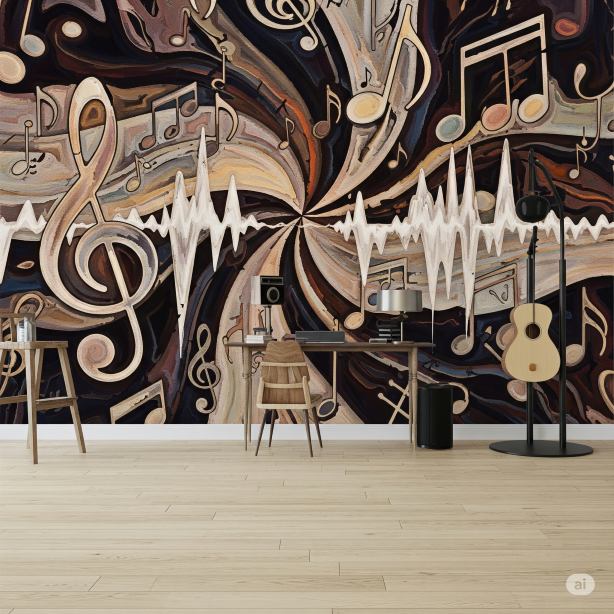
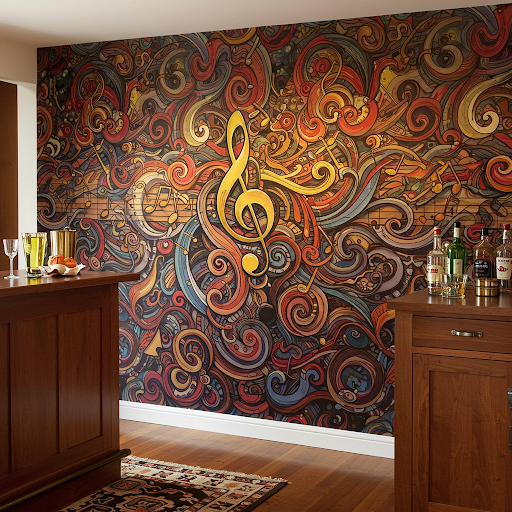
Abstract murals in this category attempt the difficult task of visually translating the improvisational, syncopated, and fluid nature of jazz into static color and form. Rather than literal depictions of people or instruments, these designs rely on “visual music.” Using bold, contrasting colors, swirling lines, and jagged geometric shapes to mimic the staccato rhythm and flow of a jazz standard. They often evoke the feeling of “soundscapes,” blending musical motifs with vibrant cityscapes. Or neon-lit urban scenes that reflect the nightlife where jazz thrives.
Expect expressive color washes—fiery reds representing the brass section, deep blues for the bass, and warm golds for the melody. This style is perfect for a contemporary aesthetic, as it conveys the mood and emotion of the genre without requiring specific traditional imagery. Thereby turning the wall into a piece of modern art that hums with energy.
Iconic Figures and Eras Murals
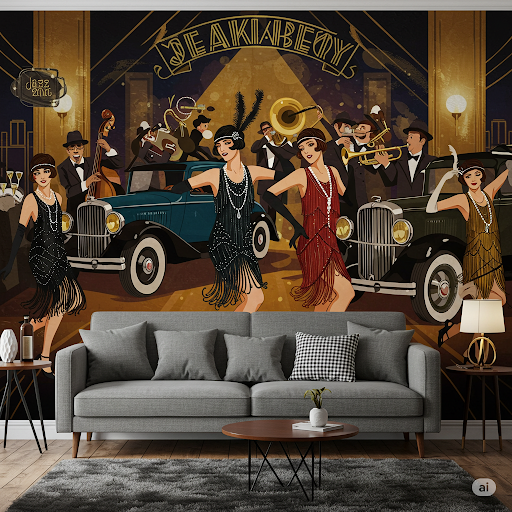
Murals in the Iconic Figures and Eras category serve as a sophisticated tribute to the rich history and cultural weight of the jazz genre. They pay homage to the giants of the industry or evoke the distinct, nostalgic atmosphere of key historical periods. Common scenes transport the viewer back to the Art Deco glamour of a 1920s speakeasy, featuring stylized flapper dancers, geometric gold-and-black patterns, and the elegance of the “Roaring Twenties.”
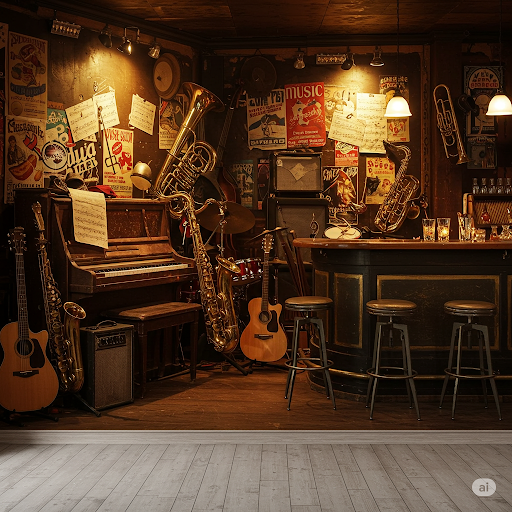
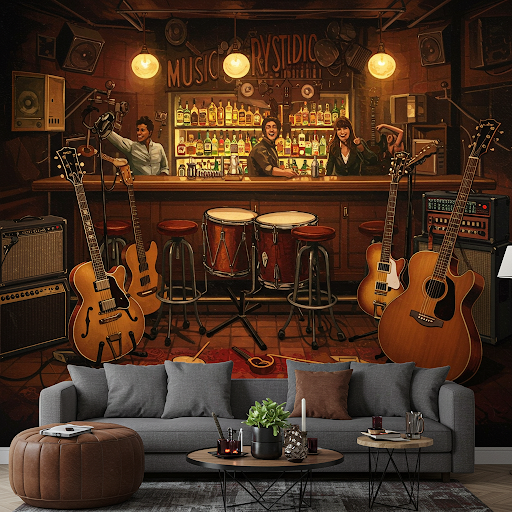
Other popular iterations focus on geography and texture, depicting the smoky, brick-walled clubs of New Orleans‘ French Quarter, Harlem, or Greenwich Village. These murals often utilize vintage filters, sepia tones, or a high-contrast noir aesthetic to capture the soulful, gritty history of the music. They are storytelling pieces, perfect for adding a sense of legacy, depth, and “old-world” class to a study, library, or lounge area.
Jazz Music Instruments and Symbolism Mural
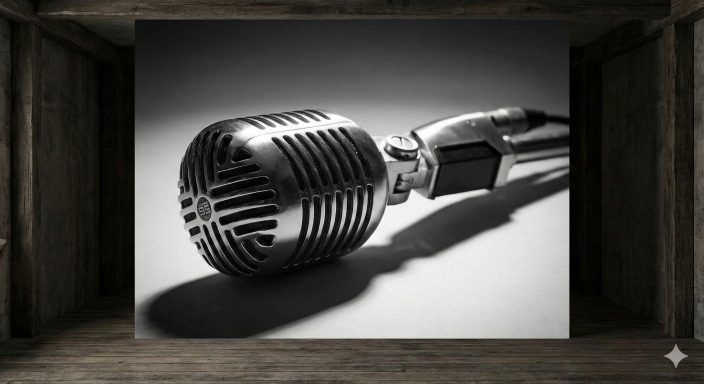
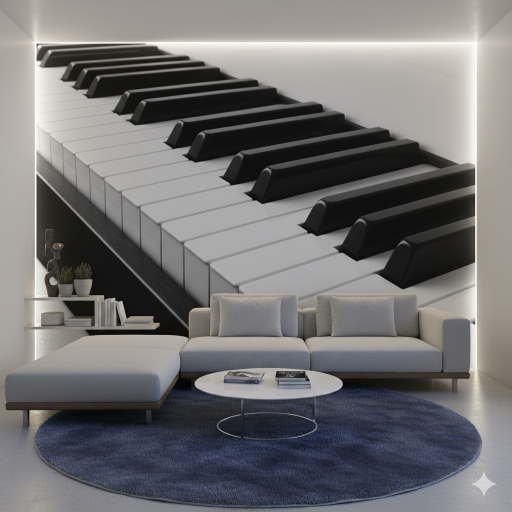
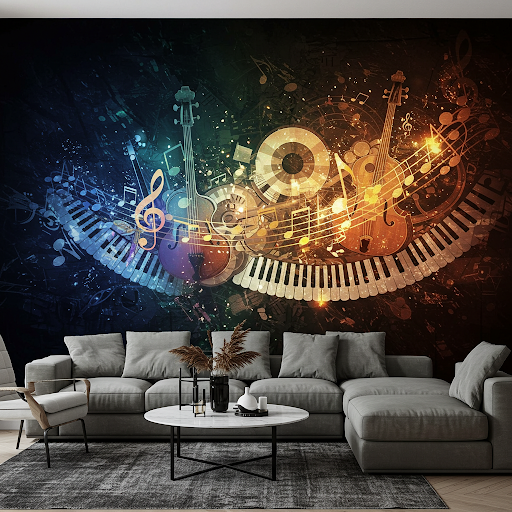
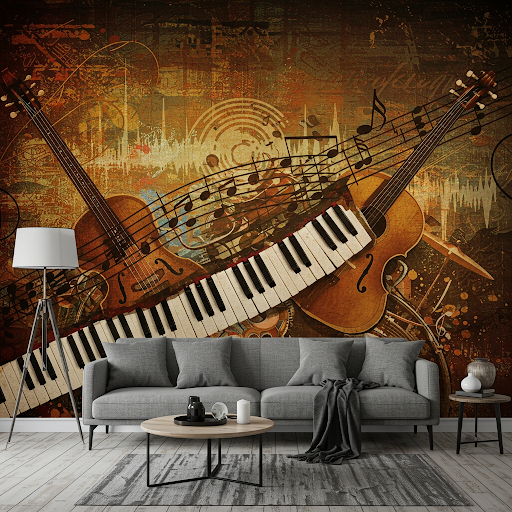
Focusing strictly on the mechanical beauty of the tools of the trade, these murals isolate classic jazz instruments to serve as powerful, almost architectural symbols. The perspective is often a macro close-up, highlighting the curve of a brass bell, the worn ivory of piano keys, or the wood grain on the neck of a double bass. These elements are rendered with a stylized, high-definition, or vintage look to emphasize their craftsmanship.
Often, the instruments are depicted with artistic flourishes. Such as floating musical notes, wisps of smoke, or golden highlights—to give them an iconic, almost sacred status. This imagery removes the distraction of a human figure, focusing entirely on the vessel of the sound. It is the perfect choice for a refined music room or studio, celebrating the instrument itself as the primary conduit of the jazz spirit.
Applications and Settings
Due to their ability to create a strong mood, jazz music murals are ideal for:
Residential Space Murals
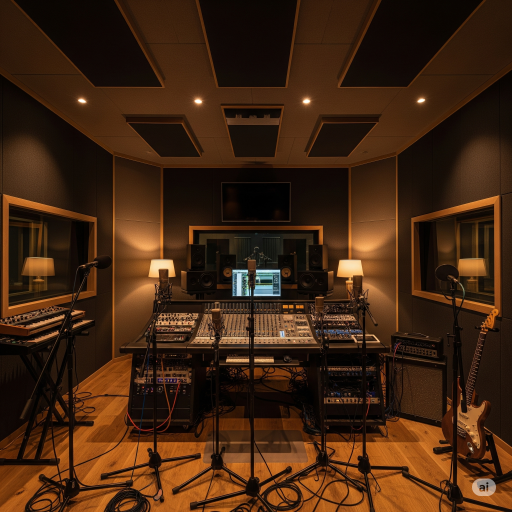
Jazz wallpaper murals inject personality and rhythm into private homes, acting as a stunning focal point. They are perfectly suited for home music rooms or personal studios, inspiring creativity and setting a professional tone. In living rooms or bedrooms, the murals create a sophisticated, cozy, or energetic atmosphere, depending on the design chosen. They are also excellent for personalizing a cozy reading nook or home office, transforming an ordinary wall into a reflection of the homeowner’s passion for the art form.
Commercial Venue Murals
Jazz wallpaper murals are highly effective in branding and mood-setting for businesses. Their powerful imagery instantly establishes a sophisticated, vibrant theme for hospitality and entertainment venues. They are essential decor for bars and lounges looking to channel a classic, noir, or speakeasy vibe. Restaurants, cafes, and coffee shops use them to create an inviting, artistic ambiance that encourages guests to linger. In retail or high-end offices, the murals serve as a memorable design element, communicating style and cultural appreciation.
Mural Material and Installation Options
1. Non-Woven Wallpaper (The “Permanent Professional”)
This is currently the industry standard for high-quality interior design. It is a mix of natural and synthetic fibers, making it breathable and dimensionally stable (it won’t shrink or expand when wet).
Installation Mechanics
Unlike old-fashioned wallpaper that required soaking, non-woven paper usually utilizes the “Paste the Wall” method. You roll the glue directly onto the wall and apply the dry paper. This allows you to slide the panel around slightly to match the pattern perfectly before the glue sets.
Durability
It is tear-resistant during installation (it won’t disintegrate in your hands like wet paper). And is generally washable with a damp sponge.
Best For
Long-term homeowners, living rooms, and walls with slight hairline cracks (the fibers bridge the gaps).
2. Peel and Stick / Self-Adhesive (The “Renter Friendly”)
Think of this as a giant, high-quality sticker. Peel-and-stick wallpaper removes the messy “wet” element of installation entirely.
Installation Mechanics
You peel back a few inches of the backing liner, stick it to the top of the wall, and slowly smooth it down while pulling the rest of the liner off.
The “Texture” Warning
This material is unforgiving regarding wall texture. It requires a perfectly smooth, primed surface. If your wall has an “orange peel” or knockdown texture, the adhesive will not bond correctly, and the mural may peel off.
Best For
Renters (leaves no residue), accent walls, and DIYers who are intimidated by wallpaper paste.
3. Vinyl (The “Heavy Duty”) Mural
Vinyl murals are essentially a PVC layer applied to a backing. They are the tank of the wallpaper world.
Texture & Finish
Because vinyl is a coating, it can be embossed with textures. For a Jazz theme, you might choose a Canvas texture (looks like a painting) or a Leather texture (adds a rich, lounge vibe).
Performance
It is moisture-resistant and scrubbable. In a humid environment or a high-traffic area (like a hallway or a commercial cafe), vinyl is superior because it won’t absorb water or grease.
Best For
Kitchens, bathrooms, commercial spaces, or homes with kids and pets.
4. Customization: The “Perfect Fit” for Jazz Murals
Customization is the defining feature that elevates a jazz mural from a simple wall covering to a bespoke architectural installation. Unlike standard wallpaper, which relies on repeating patterns sold in fixed rolls, a mural is a singular, large-scale composition. Achieving “The Perfect Fit” requires a tailored approach that addresses both the physical dimensions of the room and the aesthetic layout of the image.
Physical Precision and the “Bleed”
The process begins with exact measurements. Because no wall is perfectly square—especially in older buildings. Custom printing requires a safety margin known as a “bleed.” Suppliers typically add 5–10cm of extra image to the height and width. This buffer ensures that if the ceiling line dips or the wall bows, the installer has enough material to trim the edges for a flush finish. Thus preventing awkward gaps or white slivers at the borders.
Compositional Integrity
The true power of customization lies in image manipulation. A jazz mural often features a focal point, such as a saxophonist or a specific arrangement of piano keys. If you have a large headboard, a sofa, or a TV console, a standard print might hide the most critical part of the art behind your furniture. Customization allows designers to crop, flip, or resize the image elements. A graphic designer can move the musician to the left to avoid a cabinet. Or scale down the instrument so it isn’t overwhelmed by a shelving unit.
Tone and Personalization Musical Mural
Finally, customization offers control over the mood. A vibrant color photograph can be desaturated into greyscale or sepia to better match a minimalist interior. You can even request the addition of specific text. Such as a favorite lyric or a jazz club name—integrated into the design’s typography. This bespoke process ensures the wall doesn’t just fit the room; it belongs to it.
Jazz Wallpaper Mural Style and Color
The style can vary greatly:
Colorful and Vibrant Jazz Music Wallpaper Mural
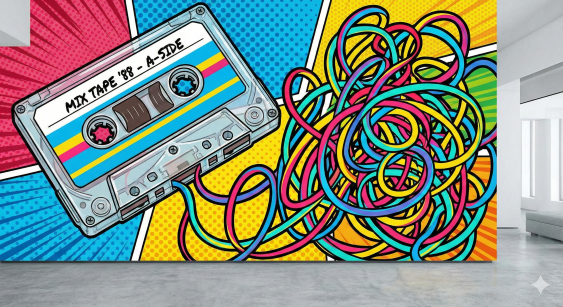
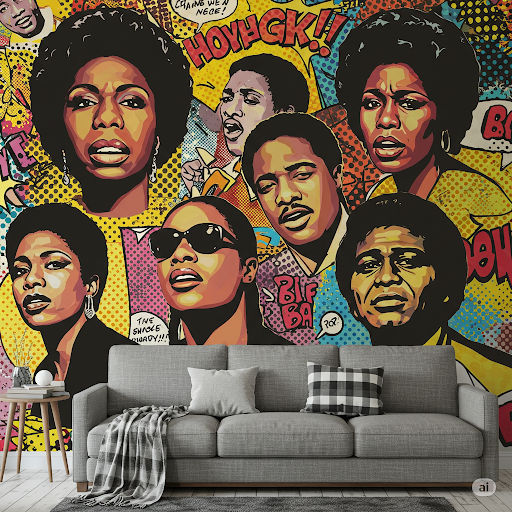
These murals leverage rich, bold colors to fully capture the dynamic, energetic, and joyous aspects of jazz. The palette often goes beyond standard primary colors. And utilizes striking combinations of electric blues, neon purples, passionate reds, and gleaming gold or silver highlights that mimic the reflection of stage lights on brass instruments.
This style is frequently paired with abstract or expressionistic designs (reminiscent of Kandinsky or Pollock). For the purpose of emphasizing musical movement, syncopation, and improvisation. By using color as a visual metaphor for sound, these murals vibrate with energy. They are perfect for creating an upbeat and lively atmosphere in entertainment spaces, basements, or creative studios, instantly elevating the mood with a burst of artistic color that refuses to be ignored.
Black and White Jazz Wallpaper Mural
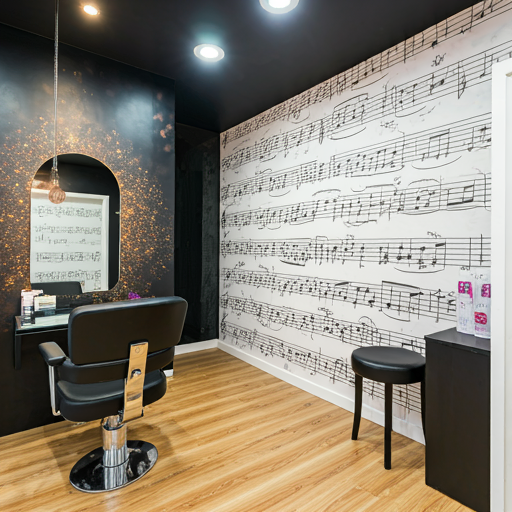
Opting for a monochromatic palette provides a stark, striking aesthetic that deeply evokes the classic, timeless quality of early jazz and blues. The absence of color forces the eye to focus on texture, contrast, and form, making it perfect for achieving a “film noir.” Or vintage feel reminiscent of old publicity photographs and moody, smoke-filled jazz clubs.
Black and white murals naturally lend themselves to dramatic silhouettes, heavy shadows (chiaroscuro), and expressive line work. This elegant, high-contrast look is versatile. It fits seamlessly into minimalist modern offices or sophisticated cocktail lounges. It provides a dramatic and refined focal point that feels architectural and intentional, rather than just decorative, offering a sense of “cool” that color sometimes cannot achieve.
Sepia Tones Musical Mural
Murals utilizing sepia tones are the definitive choice for a warm, nostalgic, and classic feel. The muted brown, beige, and soft yellow cast imitates the look of aged, vintage photography and parchment, instantly transporting the viewer to a bygone era. Specifically, the “Golden Age” of jazz.
This style works exceptionally well with imagery of legendary jazz figures, antique instruments, or scenes from the Art Deco period and the Roaring Twenties. Unlike the stark drama of black and white, sepia creates an intimate, comfortable, and sentimental ambiance. It softens the room, making it highly suitable for cozy reading rooms, private home libraries, or high-end venues aiming for a sense of historical gravitas, heritage, and timeless elegance.
Illustrative vs. Photorealistic Jazz Wallpaper Murals
The visual “finish” of the mural determines its ultimate impact on the room’s reality. Artistic illustrations and graphic art offer a stylized, imaginative interpretation. They often use clean vector lines, caricatures, or a contemporary “street art” aesthetic to represent the music symbolically, making the wall feel like a large canvas painting.
Conversely, high-resolution photorealistic prints aim for maximum immersion. These murals capture the microscopic texture of a saxophone’s brass, the dust on a vinyl record, or the wood grain of a piano with stunning clarity. This style functions as a trompe-l’œil (optical illusion), extending the room into a recording studio or a stage. Regardless of the finish, a jazz mural is a powerful decor choice that celebrates the soul of the music.