


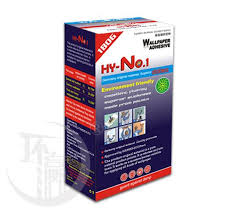
Description
Professional wallpaper installation hinges on matching the wallpaper adhesive to the specific material. For heavy-duty vinyl or textiles, high-tack, ready-mixed adhesives are essential to prevent sliding and ensure long-term adhesion. Conversely, non-woven papers often utilize “paste-the-wall” techniques, requiring specialized polymers that allow for easy positioning and future dry-stripping.
Beyond the paste, a professional toolkit—including seam rollers, smoothing blades, and precision cutters—is vital for a seamless finish. Using the incorrect adhesive not only risks immediate peeling or bubbling but can also cause permanent staining or substrate damage, turning a premium design into a costly maintenance nightmare.
If you are anywhere near Nairobi West, visit us at Mazeras Centre, Langata Road, directly opposite Nairobi West Shell Petrol Station. We are next door to Madaraka Shell Petrols.
Common Types of Wallpaper Adhesive
To achieve a professional finish, you must match the adhesive’s chemistry to the wallpaper’s weight and backing. Using a weak paste on a heavy mural will result in gravity-induced peeling, while the wrong moisture content can cause delicate papers to stretch or tear.
Here is a breakdown of the primary adhesive categories:
1. Starch-Based Wallpaper Adhesive
Starch-based wallpaper adhesive is the traditional “gold standard” for residential wallpapering. Derived primarily from rice, potato, or wheat flour, these adhesives have been used for decades because of their reliability with natural paper fibers.
How it Works
When mixed with water, the starch molecules swell and create a viscous gel. This gel penetrates the paper backing of the wallpaper, causing the fibers to expand. As the water evaporates, the starch forms a strong, interlocking bond between the paper and the wall surface.
Key Characteristics of Starch Wallpaper Adhesive
High “Slip” Factor
Starch pastes allow the wallpaper to slide easily on the wall. This is crucial for professionals when aligning intricate patterns or seams.
Breathability
Because they are organic, these adhesives allow moisture to pass through, which helps prevent the paper from trapping humidity (though they are not recommended for high-moisture rooms like bathrooms without additives).
Reversibility
Starch-based pastes remain water-soluble even after they dry. This makes removal relatively straightforward using steam or warm water.
Best Applications of Starch-based Wallpaper Adhesive
Traditional Paper
Starch-based adhesive glue is the ideal choice for standard woodchip or traditional printed paper wallpapers. Because these papers are porous, they absorb the paste, allowing for a controlled expansion. The adhesive’s high “slip” factor is essential here, letting you slide panels into perfect alignment before the starch sets the bond.
Delicate Linings
Lining paper is a professional’s secret for prepping uneven or cracked walls before a final mural is applied. Starch paste provides the necessary flexibility for these delicate liners to expand and contract without pulling away from the substrate, creating a smooth, uniform surface that prevents imperfections from telegraphing through.
Hand-Printed Murals
Artisan, hand-printed murals often feature sensitive, water-based inks that can bleed if exposed to harsh synthetic chemicals. Traditional starch paste is chemically neutral and gentle, making it the safest option for these high-end installations. It ensures a firm hold without risking the integrity or color of the hand-crafted artwork.
Professional Tip: The “Soaking Time”
If you are using a starch-based adhesive on a paper-backed mural, you must allow for “soaking time.” Once the paste is applied to the paper, it will expand. If you hang it immediately, it will continue to expand on the wall, leading to bubbles and creasing.
2. Heavy-Duty / “Tack” Wallpaper Adhesive
These are often starch-based but fortified with synthetic polymers (PVA) to increase strength.
Heavy-duty or “high-tack” adhesives are the workhorses of the wallpaper world, specifically formulated to handle the weight and tension of premium, thick, or non-porous wallcoverings. While starch-based pastes rely on simple absorption, heavy-duty versions are reinforced with synthetic resins, such as PVA (Polyvinyl Acetate), to provide superior bonding strength.
Why the “High Tack” Matters
In professional installations, “tack” refers to the initial “grab” or stickiness of the adhesive. When you are hanging a heavy vinyl mural or a thick textile, gravity is your enemy. A standard paste might allow a heavy sheet to slide down the wall before it dries. But a high-tack adhesive grips the material instantly, holding it in place while still allowing for minor adjustments.
Key Characteristics of High Tach Wallpaper Adhesive
Reduced Water Content
Heavy-duty adhesives feature a thicker, low-moisture consistency compared to standard pastes. This prevents heavy wallpaper from becoming over-saturated or “floppy” during installation, which significantly reduces the risk of accidental tearing. The concentrated formula ensures the paper maintains its structural integrity while being handled, facilitating a much cleaner, professional application.
Fungal Resistance
Equipped with specialized biocides, these adhesives are engineered to inhibit mold and mildew growth. This is a critical safeguard for non-breathable vinyls, which tend to trap moisture against the wall. By preventing fungal development, these additives protect the wall substrate and ensure a healthy, long-lasting environment in any commercial space.
Structural Integrity
Once fully cured, the synthetic resin reinforcement creates a bond far superior to traditional starch. This high-strength grip ensures that wallcoverings remain securely attached even in high-traffic environments like commercial corridors or busy offices. The result is a durable, impact-resistant finish that withstands the rigors of daily professional use.
Best Applications
Heavyweight Vinyls
For 20oz or 30oz commercial-grade vinyls, heavy-duty adhesive is non-negotiable. These materials are significantly denser than residential paper and require an aggressive initial “tack” to stay in place. The adhesive’s high solids content provides the necessary shear strength to support the vertical weight of these durable, high-performance wallcoverings.
Textiles and Grasscloths
Natural textiles and grasscloths often feature stiff, unforgiving backings that resist standard adhesives. High-tack pastes provide the instant grab needed to manipulate these rigid materials into place. The reduced water content also prevents moisture from seeping through to the delicate face of the fabric, avoiding unsightly staining or shrinkage.
Embossed or Flocked Wallpapers
Textured wallpapers, such as deep-embossed patterns or velvet-like flocks, add significant physical weight to a wall. Standard pastes often fail to hold these three-dimensional materials securely. Heavy-duty adhesive fills the gaps in textured backings, creating a comprehensive bond that supports the extra weight while preserving the wallpaper’s intricate decorative details.
Ceiling Murals
Installing murals overhead is a battle against gravity. High-tack adhesive is essential for ceiling applications, providing an immediate grip that prevents the material from sagging or peeling away before the paste dries. This ensures that complex designs—like your cloud ceiling projects—remain perfectly flush and secure against the ceiling surface.
Heavy-Duty / “Tack” Wallpaper Adhesive Removal Challenge
The synthetic resins that provide superior strength also make removal more labor-intensive. Unlike water-soluble starch, these adhesives create a permanent-style bond that resists simple soaking. To strip these wallcoverings during future renovations, professionals typically use specialized chemical stripping agents or high-powered industrial steamers to break down the hardened polymer structure.
3. Paste-the-Wall (Non-Woven) Wallpaper Adhesive
Paste-the-wall adhesive is specifically engineered for non-woven wallpapers—a modern material made from a blend of natural and synthetic fibers (like a high-tech mesh). Unlike traditional paper, non-woven backing is dimensionally stable, meaning it won’t expand when wet or shrink when dry.
How it Works
Instead of applying paste to the wallpaper on a bulky trestle table, you apply the adhesive directly to the wall surface using a roller or brush. You then hang the dry wallpaper panel directly onto the wet adhesive.
Key Characteristics of Paste the Wall (Non-Woven) Wallpaper Adhesive
Zero Soak Time
Because the material doesn’t expand, there is no need to wait 5–10 minutes for the paper to “relax.” You can hang it immediately.
Tixotropic Consistency
These adhesives are often designed to be “non-drip.” They have a thick, gel-like consistency in the bucket that becomes fluid when agitated by a roller, ensuring a clean application with minimal splatter.
High Initial Slip
Even though it grips the wall quickly, it provides excellent “slip,” allowing you to slide the dry panel into a perfect butt-joint with the previous piece.
Dry Strippability
This is a major professional advantage. When it’s time to redecorate, non-woven wallpaper hung with the correct adhesive can usually be peeled off in one complete sheet without the need for steamers or scraping.
Best Applications
Premium Murals
Almost all high-end digital murals (like the cloud ceilings or wildlife scenes you’ve explored) are printed on non-woven substrates.
Commercial Offices
Perfect for quick installations where minimizing mess and “down-time” is essential.
DIY-Friendly Projects
Because you aren’t handling heavy, “floppy” wet paper, it is much easier for a single person to manage.
Professional Tip: The “Wider” Paste Method
When pasting the wall, always apply the adhesive about 10–15cm wider than the roll width. This ensures the edges of your next panel have plenty of wet paste to grab onto, preventing those common “lifting seams” caused by the paste drying out at the edges before the next panel is applied.
4. Ready-Mixed Wallpaper Adhesive (Tub Paste)
Ready-mixed adhesive, commonly referred to as “tub paste,” is the professional standard for high-stakes installations. Unlike powder-based alternatives, these are factory-blended to a precise chemical consistency, ensuring uniformity across every square inch of the wall.
The Science of “Low Water” Formula
The defining feature of ready-mixed adhesive is its low water-to-solid ratio. While powder pastes are mostly water (which can cause paper to over-expand or encourage mold), tub pastes are packed with synthetic polymers and resins. This makes them much thicker and more stable, providing a bond that is both stronger and more predictable.
Key Characteristics of Ready-mixed Wallpaper Adhesive
Consistency & Reliability
Because it isn’t mixed by hand, there are no lumps or “weak spots” caused by incorrect water ratios.
Anti-Microbial Properties
Professional tub pastes almost always contain powerful fungicides. This is vital when installing non-breathable vinyl murals, as it prevents moisture from being trapped and turning into mold behind the design.
Superior “Tack”
It offers an aggressive initial grip, which is indispensable for heavy-duty commercial wallcoverings or intricate ceiling applications where you cannot afford for the material to sag.
Extended “Open Time”
Despite its strong grip, it is formulated to stay wet long enough for you to maneuver large, complex panels—such as a seamless panoramic wildlife mural—into perfect alignment.
Best Applications
Commercial-Grade Vinyl
The “Type II” vinyls used in high-traffic office corridors or hotel lobbies.
High-Moisture Areas
Kitchens, bathrooms, or tropical climates where humidity is a constant factor.
Textiles and Foils
Specialized materials that might be damaged by the high water content of standard pastes.
Digital Murals
Premium, heavy-weight custom prints that require a permanent, flat-laying bond.
Professional Tip: The Roller Application
For the most even finish, professionals often use a medium-pile paint roller to apply tub paste directly from a paint tray. This ensures an even “stipple” of adhesive, preventing the “thick and thin” spots that can lead to visible bubbling once the mural cures.
Frequently Asked Questions (FAQ) on Wallpaper Adhesive
These Frequently Asked Questions address the most common technical hurdles encountered during a professional mural installation.
1. How much adhesive do I need?
As a rule of thumb, a standard 180g–200g packet of powder or a 5kg tub of ready-mixed paste covers approximately 25–30 square meters (roughly 5 standard rolls). However, coverage is dictated by the substrate’s porosity and the wallpaper’s weight. For example, a “thirsty” unprimed drywall will absorb more adhesive than a sealed surface. Similarly, heavily textured or fabric-backed murals require a thicker application to fill the “peaks and valleys” of the material. Always calculate your wall area $(Height \times Width)$ and add a 10% buffer for spills and edge-pasting.
2. Can I use old wallpaper adhesive I found in the garage?
Longevity depends on the state of the adhesive. Unopened powder kept in a dry, climate-controlled environment can last up to 2 years. However, once mixed with water, the biological “countdown” begins; even in a sealed bucket, it typically spoils within 2–7 days. If you notice a sour, vinegary smell, a watery separation that won’t recombine, or a change in color, the polymers have likely broken down. Using expired paste is a liability, as the degraded starch becomes a food source for mold and mildew behind your mural.
3. Should I paste the wall or the wallpaper?
The choice depends on the dimensional stability of the backing material.
Paper-backed:
These fibers must be pasted and allowed to “relax” for 5–8 minutes. This “booking” time allows the cellulose to expand fully before mounting. Skipping this leads to bubbles as the paper grows on the wall.
Non-woven (Non-paper) backed:
These are made of a blend of synthetic and natural fibers that do not expand. These are “Paste-the-Wall” materials; you hang them dry into wet paste, which is significantly faster and cleaner for complex murals.
4. How do I remove lumps in wallpaper paste?
Lumps are usually the result of “flash-hydration” where the powder wasn’t dispersed quickly enough. To avoid this, always use the Whirlpool Method: create a vortex in cold water and sprinkle the powder slowly. If you already have a “lumpy” bucket, do not use it; the lumps will create visible bumps behind your paper. You can often save the batch by using an immersion blender to mechanically break the clumps, or by straining the mixture through a fine sieve or a pair of old nylon tights.
5. Why are my seams opening up?
Open seams are usually caused by hygroexpansion mismatch or premature drying. If paper-backed wallpaper isn’t soaked for the full recommended time, it continues expanding on the wall, causing seams to overlap or push apart. Conversely, if the room is too hot or the wall wasn’t primed, the moisture “flashes” (evaporates) too quickly, and the paper shrinks as it dries. To prevent this, ensure the wall is sealed with a size or primer, use a dedicated seam roller, and avoid using heaters during the first 24 hours