


Description
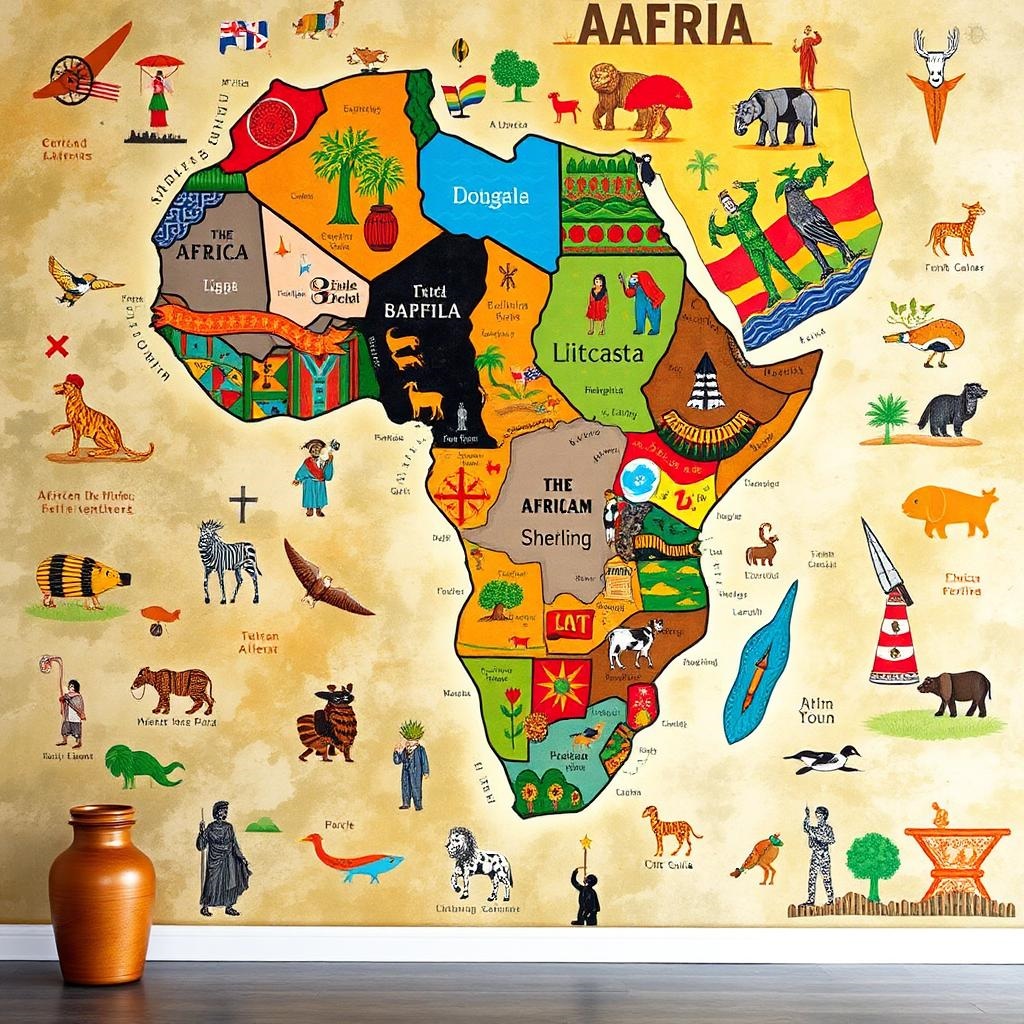
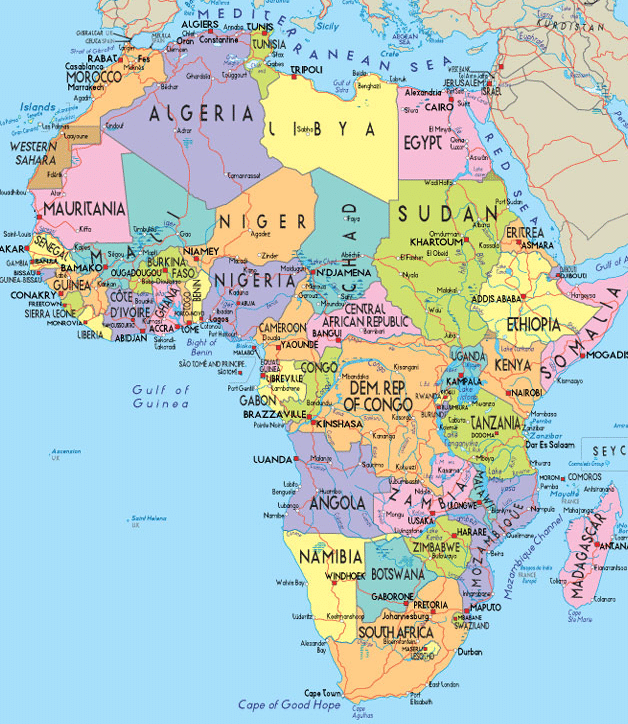
African Map Wall Art is a powerful category of interior decor that transforms the continent’s geographic silhouette into a symbol of identity, unity, and heritage.
It goes beyond simple cartography. In modern interiors, the outline of Africa is treated as an icon—a vessel that can be filled with cultural patterns, historical narratives, or artistic textures. It acts as an “anchor” in a room, grounding the space in a specific sense of place and belonging.
Here is a comprehensive overview of its definition, design styles, and symbolic impact.
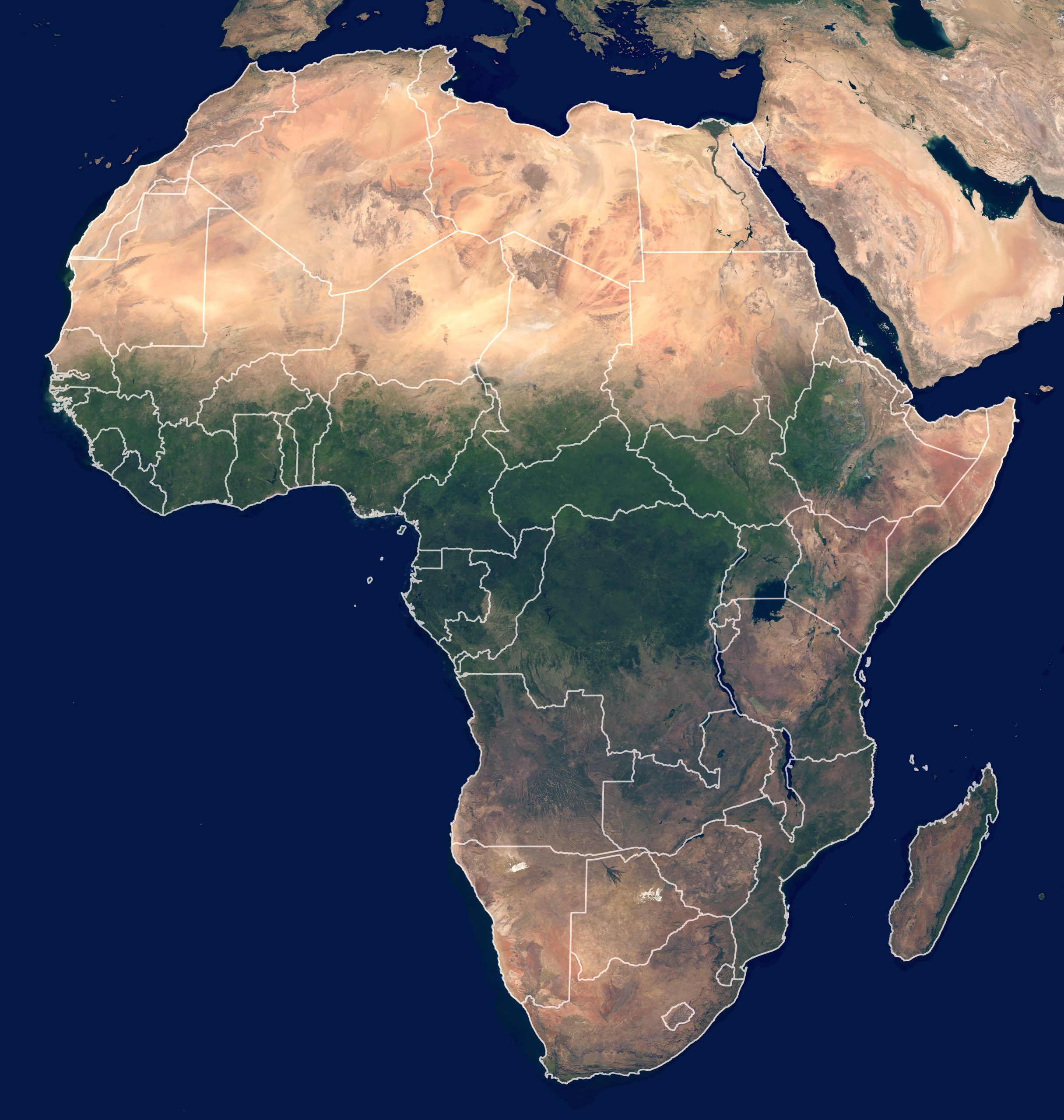
African Map Wall Art is the artistic representation of the African continent’s shape.
The Function
African Map Wall Art is the artistic representation of the African continent’s shape, transformed from simple cartography into a potent cultural symbol.
The Function: A Symbol of Belonging
It serves as a powerful statement of origin and identity. For the global diaspora, the silhouette acts as a sentimental link to “Home” and ancestry. For those living on the continent, it functions as a bold declaration of Pan-African pride, visually reinforcing unity and a shared cultural heritage.
The Evolution: From Classroom to Gallery
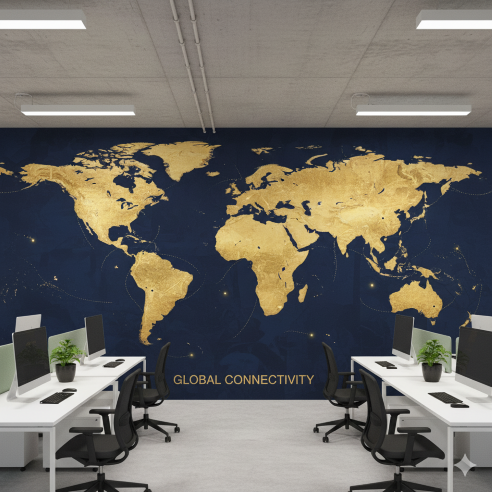
This art form has transcended its origins as functional educational classroom maps. It has evolved into high-end luxury decor, now crafted from premium materials like gold leaf, laser-cut reclaimed wood, and preserved moss, or rendered as intricate digital murals that treat the geography as a canvas for storytelling.
African Map Wall Art Primary Design Aesthetics
A. The “Textile” African Map Wall Art (Unity in Diversity)
The Popularity
The Textile African Map Wall Art is one of the most popular and recognizable mural styles in the genre. Its appeal lies in its vibrancy and its ability to act as a “greatest hits” compilation of African design, instantly injecting color and cultural depth into any space without needing multiple separate artworks.
The Visual A Patchwork Continent
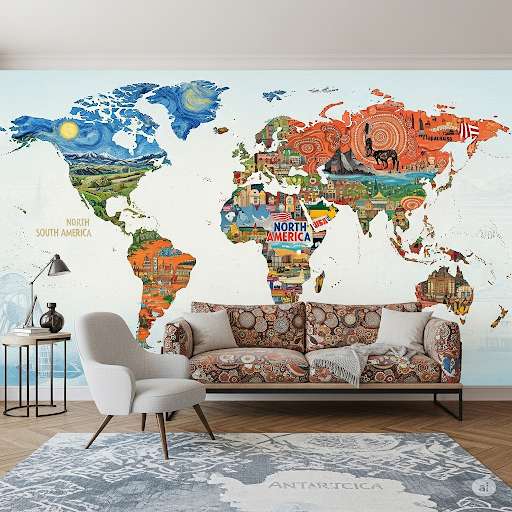
The design completely ignores political country borders. Instead, the iconic outline of the continent is filled with a rich, seamless patchwork of varied African textiles. You will see squares of Ghanaian Kente, Nigerian Ankara, Malian Mudcloth, and Kenyan Kikoy all woven together to form the landmass.
The Symbolism: The United States of Africa
This style visually represents the dream of a “United States of Africa.” By stitching together distinct fabric traditions from East, West, North, and South into a single silhouette, it symbolizes that despite tribal and national differences, the continent is one cohesive, interconnected cultural entity.
Best For
Community centers, cultural hubs, or vibrant living rooms.
C. The “Typographic” Map (The Word Cloud)
The Concept Text as Image
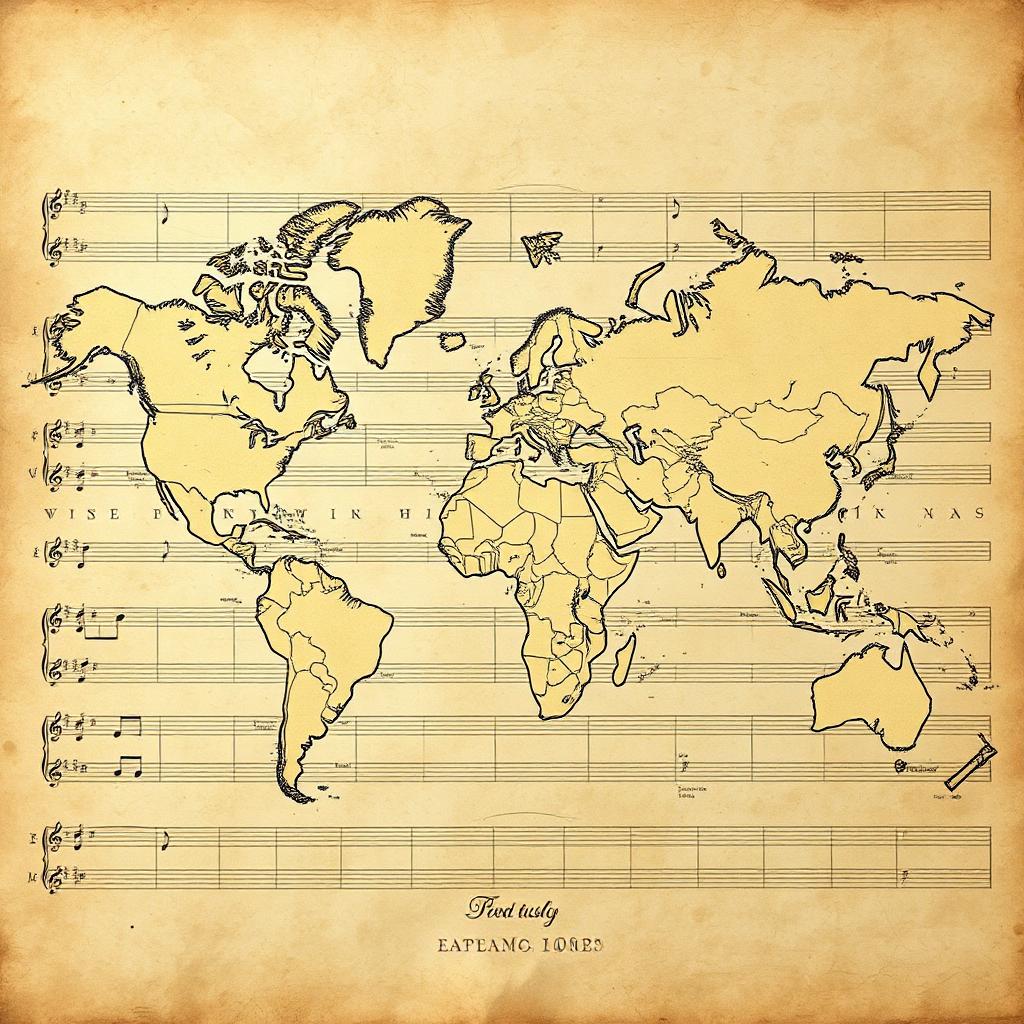
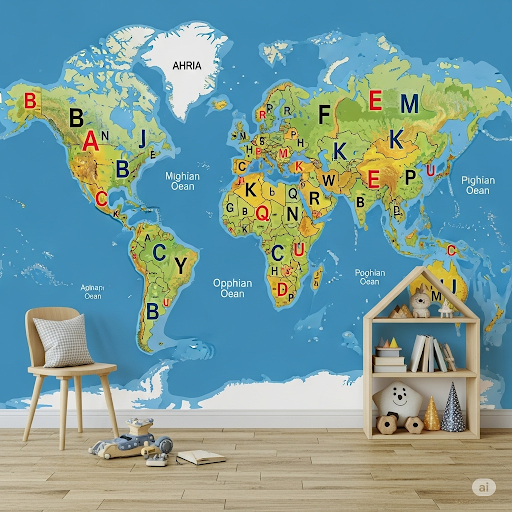
This is a sophisticated graphic design style that transforms text into a visual icon. It relies on the power of typography to define space, using the density, size, and arrangement of letters to sculpt the physical, recognizable shape of the African continent without drawing a single outline.
The Visual: A Continent of Words
The geography is constructed entirely from words. The text fills the map’s silhouette, often featuring the names of all 54 African nations, the titles of major ethnic groups, or the names of legendary freedom fighters like Mandela, Nkrumah, and Nyerere, varying in size to fit the coastline’s curves.
The Symbolism: Political Education
This art form is inherently educational and political. It functions as a history lesson on the wall, inviting the viewer to step closer and actively read the narrative contained within the borders. It asserts that the continent is defined not just by land, but by its people and its history.
Best For
Libraries, schools, or home offices.
D. The “Flora & Fauna” Map (The Naturalist)
The Focus: Biodiversity as Art
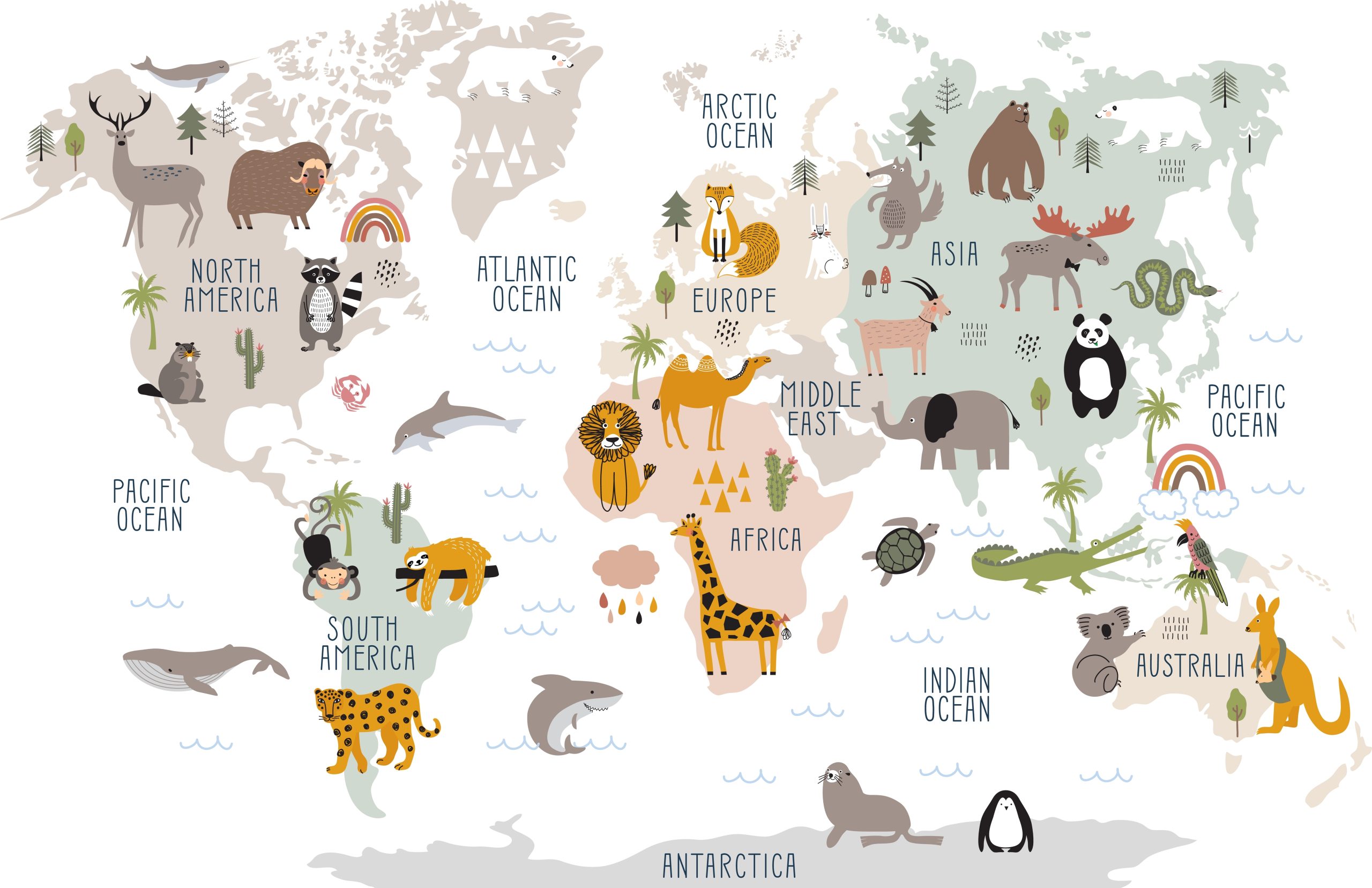
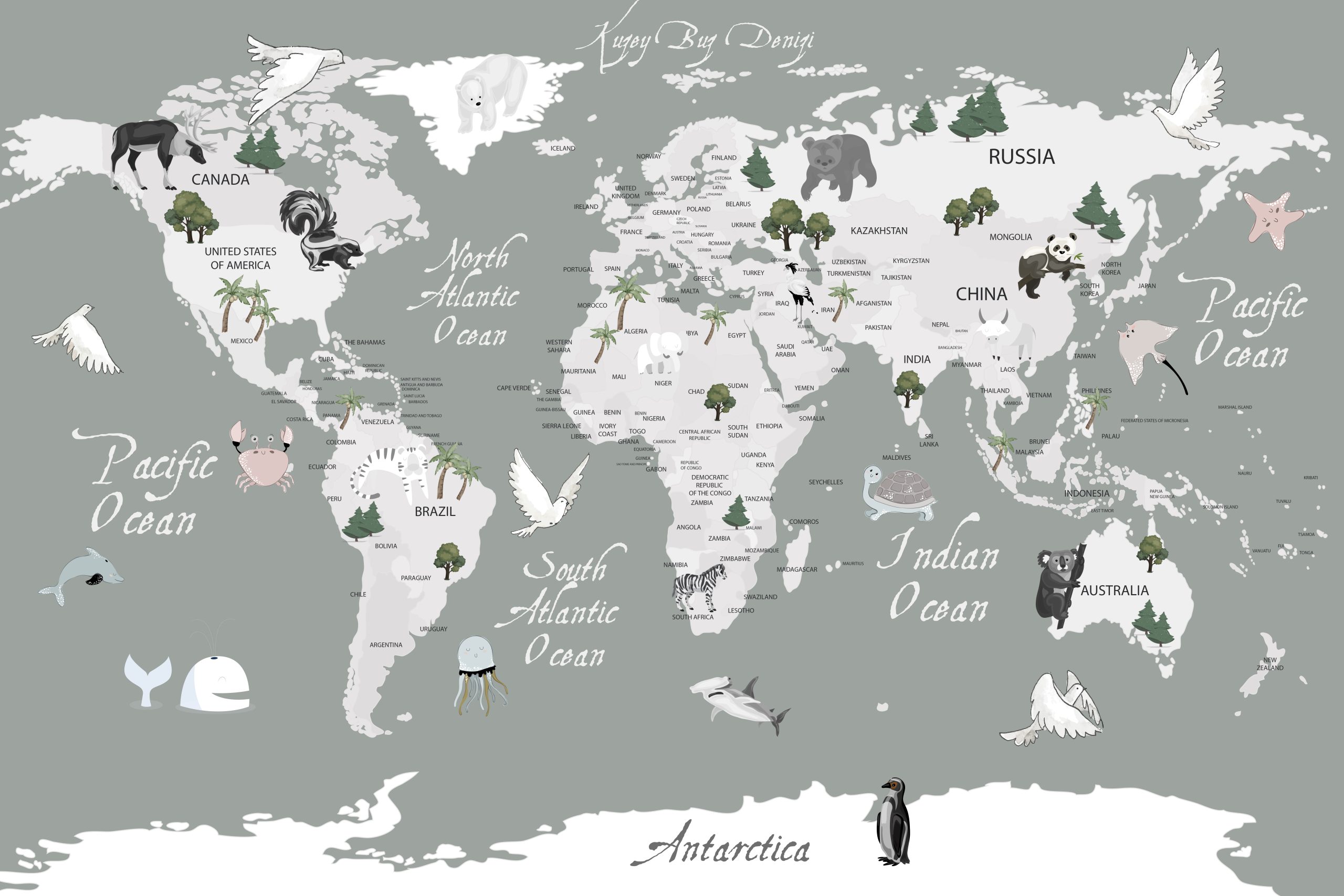
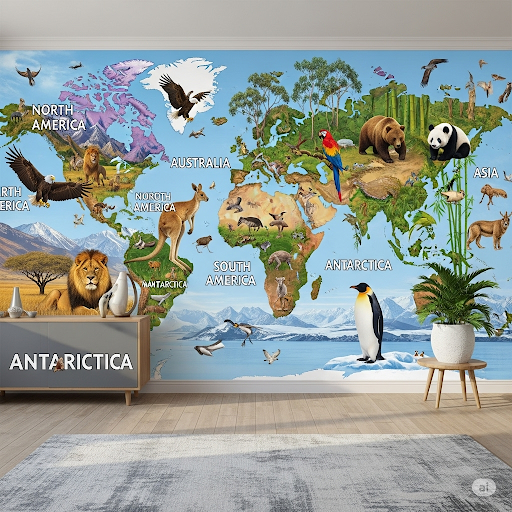
This style shifts the narrative away from politics and people to focus entirely on the continent’s biodiversity. It serves as a visual archive of the natural world, highlighting the unique ecosystems—from the Sahara to the Savanna—that make Africa an ecological treasure trove.
The Visual: An Organic Mosaic
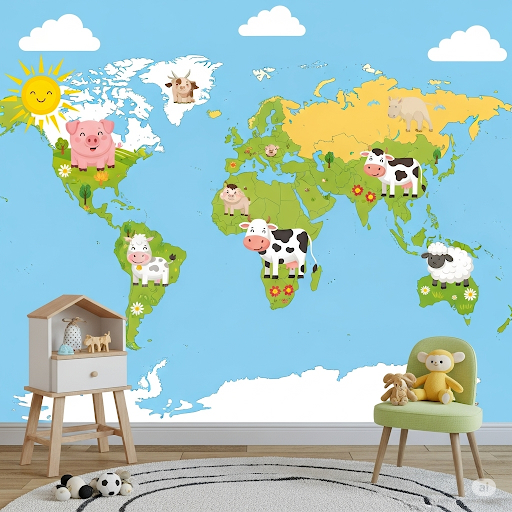
The map is not a solid block of color; it is a lush composition of illustrations. The continent’s shape is formed by the interlocking bodies of indigenous animals (The Big Five) or botanical elements like King Proteas, towering Baobabs, and flat-topped Acacia trees, creating a “living” silhouette.
The Symbolism: The Cradle of Life
It celebrates the land itself as the “Cradle of Life.” By constructing the continent out of its own biology, the artwork emphasizes that nature is the foundation of African identity. It represents growth, fertility, and the primal connection between the earth and its inhabitants.
Best For
Eco-lodges, nurseries, or safari-themed spaces.
African Map Wall Art Materiality (Beyond Wallpaper)
While often printed as wallpaper, this specific art form is frequently executed in 3D materials for a luxury effect:
3D Wooden Puzzles
Laser-cut wood pieces where each country is a separate block, mounted on the wall to create depth. (Very popular in Nairobi modern offices).
Metal Wire Art
A minimalist wire outline that casts dynamic shadows on the wall.
Moss Art
The shape of Africa is filled with preserved green reindeer moss, bringing “living” nature onto the wall.
African Map Wall Art Political Context (The “True Size”)
Many modern African map murals deliberately use the Gall-Peters Projection (which shows Africa’s true massive size relative to Europe and North America) rather than the standard Mercator projection. This is a subtle design choice that challenges colonial worldviews and asserts African significance.
Summary Comparison Table
| Style | Textile Map | Golden Silhouette | Typographic Map | Flora & Fauna |
| Key Visual | Fabric Patterns | Solid Metal/Gold | Words & Names | Animals & Plants |
| Vibe | Colorful & Cultural | Luxurious & Serious | Intellectual & Bold | Organic & Soft |
| Focus | Cultural Unity | Wealth & Status | History & Politics | Nature & Biology |
| Best Room | Living Room | Office / Lobby | Study / Library | Nursery / Lodge |