








Description
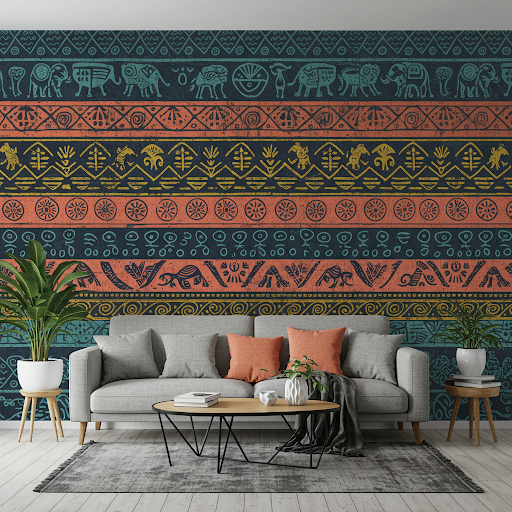
African Print Wallpaper Mural is a category of interior wall covering that visually translates the diverse textile traditions of the continent—such as Ankara, Kente, and Mudcloth—into large-scale architectural surfaces.
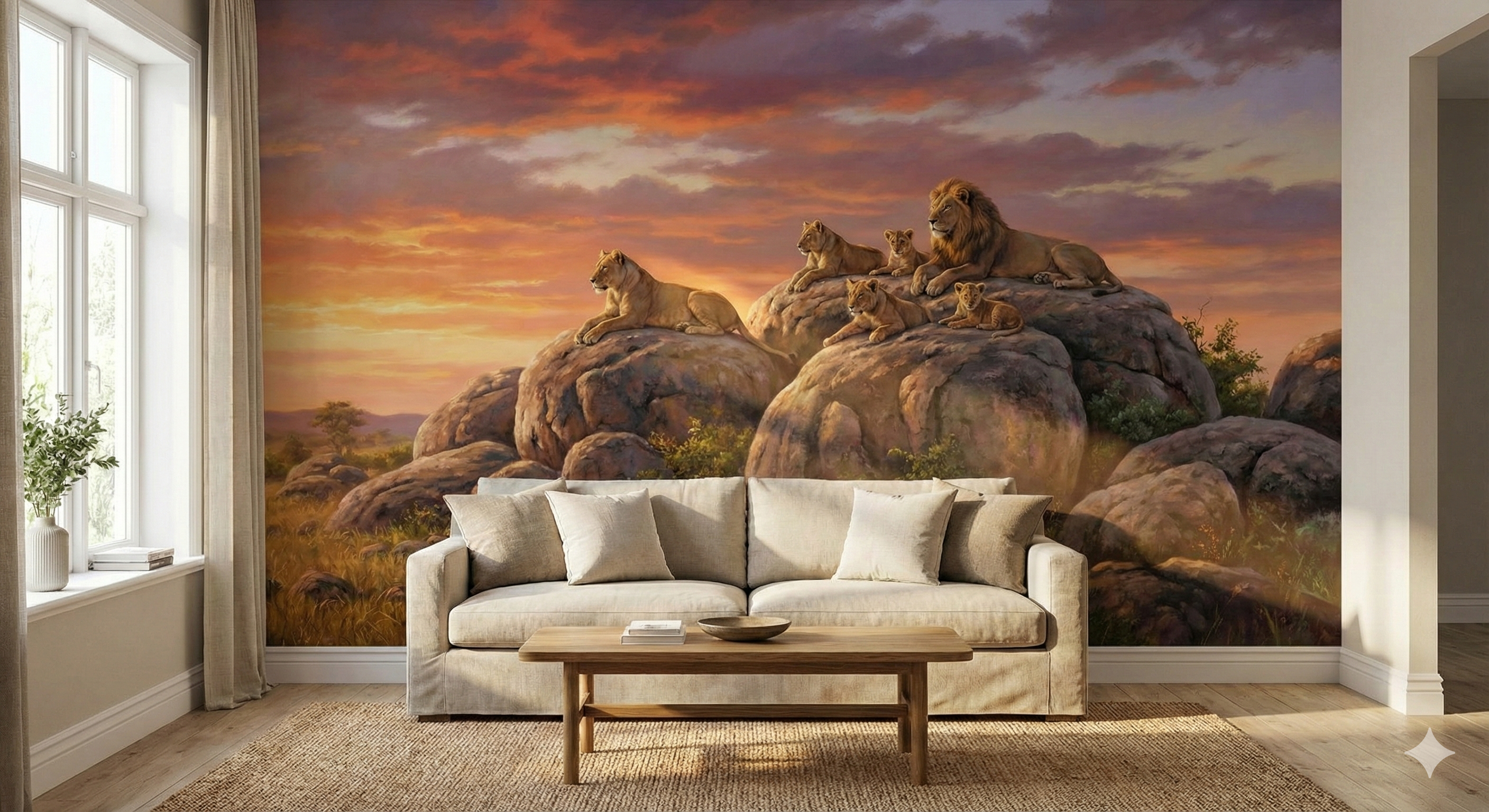
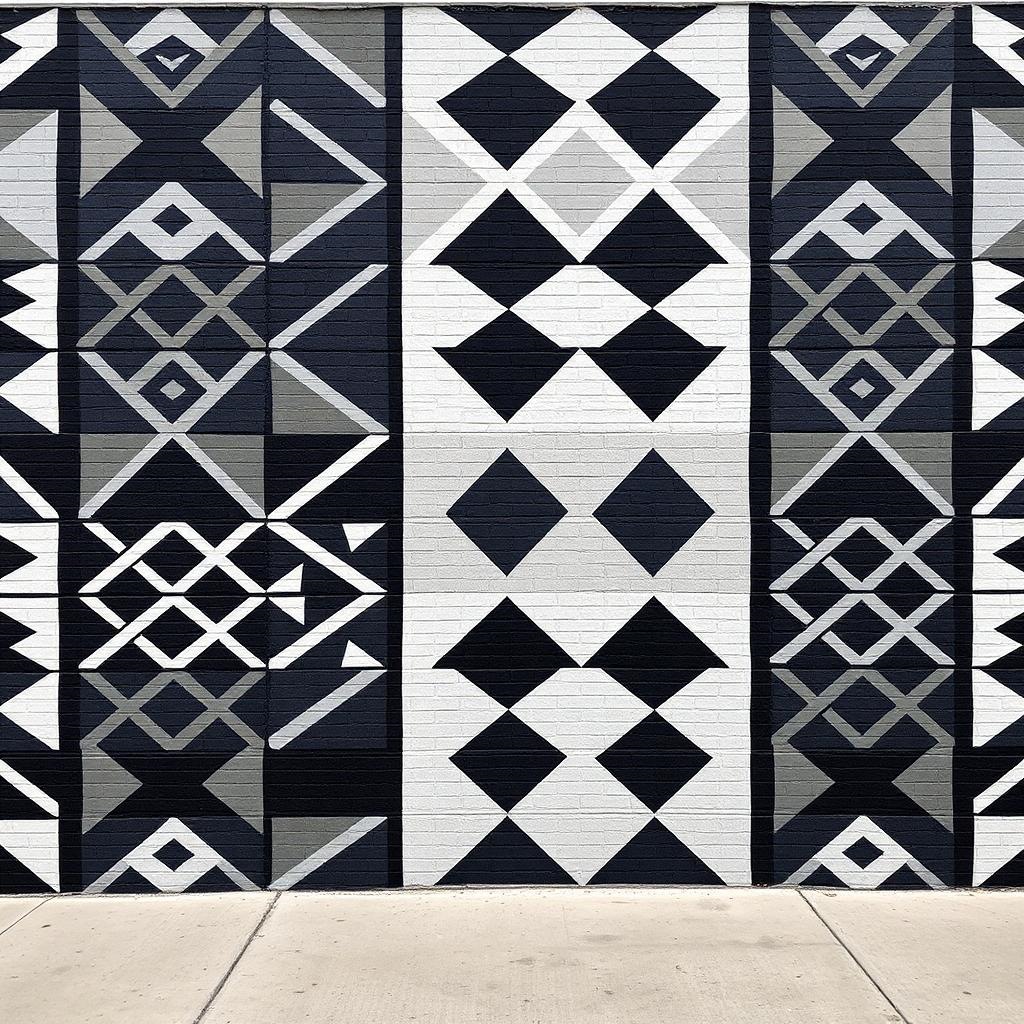
Unlike general “African Art Wallpaper,” which often features figures or landscapes, African Print Wallpaper focuses on pattern, repetition, and “visual rhythm.” It wraps a room in the coded languages of heritage fabrics, transforming the walls into a textured, immersive background.
Technically, African Print Wallpaper Mural takes the motifs originally designed for woven or dyed fabrics and scales them for vertical surfaces.
Technical definition
Technically, African Print Wallpaper Murals represent a sophisticated translation of soft goods into architectural finishes. This design process involves capturing the intricate motifs originally created for woven (Kente), dyed (Adire/Batik), or painted (Mudcloth) textiles and digitizing them for large-scale application.
The critical technical achievement is scaling these intricate patterns—often designed for the human body—to the vast expanse of a vertical wall without losing resolution or the “hand” of the original fabric. It preserves the imperfections, weave structures, and dye bleeds that define the authenticity of the material, converting a garment’s pattern into a permanent interior skin.
African print wallpaper mural concept
“Textile to Texture”
The core concept, “Textile to Texture,” is a deliberate design strategy aimed at softening the harshness of modern architecture. Standard drywall and plaster are cold, hard, and acoustically reflective surfaces. By applying African Print Wallpaper, specifically designs that mimic the visual density of woven cotton or velvet, you imbue the room with a psychological “warmth” and tactile depth. It tricks the eye into perceiving softness and comfort. Furthermore, it adds “cultural weight“—grounding a sterile modern space in centuries of craftsmanship and heritage. It transforms the wall from a barrier into a tapestry, making the room feel inhabited, layered, and historically rich rather than empty and new.
Function
An Immersive Background
Functionally, African Print Wallpaper Murals serve as an immersive background or “ambient visual rhythm” rather than a singular centerpiece. Unlike a scenic mural (like a landscape or a portrait), which demands direct attention as a focal point, African print wallpaper sets the tempo of the room. Through the use of repeating geometric grids or organic oscillating shapes, it creates a continuous visual beat that wraps around the viewer. This repetition unifies the space, hiding corners and architectural flaws, and provides a cohesive backdrop against which furniture and art can pop. It determines the energy level of the room—high-tempo zig-zags for energy, or slow, low-contrast mudcloth patterns for calm.
Communication
The Storytelling Surface
In the vast tradition of African textiles, fabrics have never been merely decorative coverings; they are complex systems of communication. A specific wax print might signal a political allegiance, a Kente pattern might denote a specific royal proverb, and a Khanga often carries written aphorisms. African Print Wallpaper retains this profound storytelling capability, transforming interior decor into a conversation piece. The wall ceases to be silent; it speaks of marital status, historical events, social rank, or philosophical beliefs. By choosing a specific print, the homeowner is not just picking a color; they are displaying a coded message that connects the private domestic space to the broader public history of the culture.
The Four Primary African Textile Styles
A. Ankara (African Wax Print)
Origin
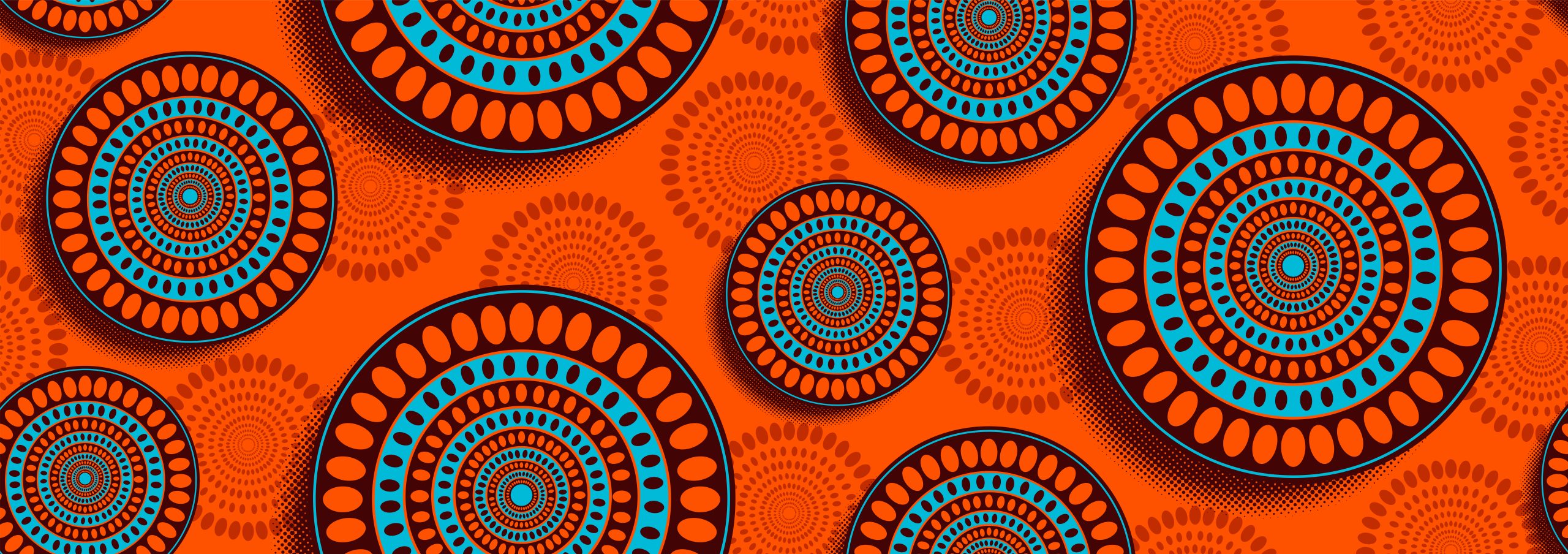
Although it has historical roots in Dutch and Indonesian batik techniques, Ankara has been fully adopted and revolutionized by West Africa to become the definitive visual language of African fashion. Today, it is produced primarily in Nigeria, Ghana, and Côte d’Ivoire, serving as a vibrant symbol of Pan-African identity and modern creativity.
The Visual
The aesthetic is defined by “ordered chaos.” It features highly vibrant, complex patterns that utilize a signature “crackle” effect—irregular veins of color caused by the wax-resist dyeing process. The palette is aggressive and joyful, often combining clashing, high-saturation colors like electric blue with tangerine orange to create a vibrating visual energy.
Common Motifs
The imagery is surprisingly literal and symbolic. Beyond abstract shapes, Ankara frequently features stylized depictions of everyday household objects—such as vinyl records, electric fans, or birdcages—alongside oversized florals. These motifs often carry social meanings or cheeky names given by market women, turning the pattern into a form of social commentary.
Best For
Feature walls in creative spaces, kitchens, or vibrant dining rooms. It adds high energy and joy.
B. Kente Cloth African Print Wallpaper
Origin
Originating from the Ashanti and Ewe people of modern-day Ghana, Kente is the “Cloth of Kings.” Historically woven on narrow looms, it was reserved for royalty and sacred occasions. It remains the most globally recognized symbol of African prestige, heritage, and ceremonial importance.
The Visual
Kente wallpaper mimics a distinctive “strip-woven” aesthetic. Because the original cloth is made by sewing together narrow strips of fabric, the wallpaper design appears as vertical bands of geometric patterns running from floor to ceiling. This creates a rich, linear structure that visually heightens the room and adds architectural rigidity.
Common Motifs
The patterns are a language of proverbs. Key motifs include the “zigzag” (representing life’s path with its inevitable ups and downs) and the “diamond” (symbolizing wealth and royalty). These geometric shapes are tightly interlocked, creating a dense, rhythmic tapestry that feels solid and impenetrable.
Color Symbolism
Gold
Represents status, royalty, spiritual purity, and high continuous wealth.
Green
Represents vegetation, planting, harvesting, growth, and spiritual renewal.
Red
Represents political and spiritual moods, bloodshed, sacrifice, and intense struggle.
Best For
Formal spaces like dining rooms or executive offices, where you want to project dignity and heritage.
C. Bogolanfini (Mudcloth) Print Wallpaper
Origin
Originating from the Bambara people of Mali, this fabric is traditionally dyed using fermented river mud and plant leaves.
The Visual
The visual style is strictly monochromatic and organic. It features hand-drawn white geometric symbols—such as circles, triangles, and lines—set against a stark background of deep black or fermented mud brown. The lines are intentionally imperfect and shaky, celebrating the human hand rather than machine precision.
The Vibe
It projects an earthy, rustic, and minimalist atmosphere. It is the most “modern-friendly” style, blending easily with contemporary decor.
Best For
Scandi-African interiors, bedrooms, and calm living rooms. It pairs perfectly with wood and leather.
D. Kuba Cloth
Origin
Originating from the Kuba Kingdom of the Democratic Republic of Congo, known for its sophisticated raffia weaving traditions.
The Visual
The design features complex, interlocking geometric mazes, often referred to as “Kasai velvet.” It looks like an intricate labyrinth or a mathematical puzzle rendered in texture.
The Vibe
The atmosphere is mathematical and structural. The patterns are dense, intellectual, and abstract, prioritizing form and rhythm over storytelling.
Best For
Libraries, studies, or accent walls where you want texture without screaming color.
Modern Evolution of African Print Wallpaper
1. The Vector Aesthetic (Clean & Graphic)
Designers take the shapes of Mudcloth or Kente and digitize them into sharp, perfect lines.
Result
A clean, crisp look that fits well in corporate offices or modern apartments. It feels “designed” rather than “crafted.”
2. The Texture Aesthetic (Faux-Fabric)
High-resolution scans of real fabric are printed on textured vinyl or silk.
Result
The wallpaper actually looks like fabric. You can see the weave of the cotton, the imperfections of the dye, and the roughness of the mud. This creates a cozy, sound-dampening psychological effect.