



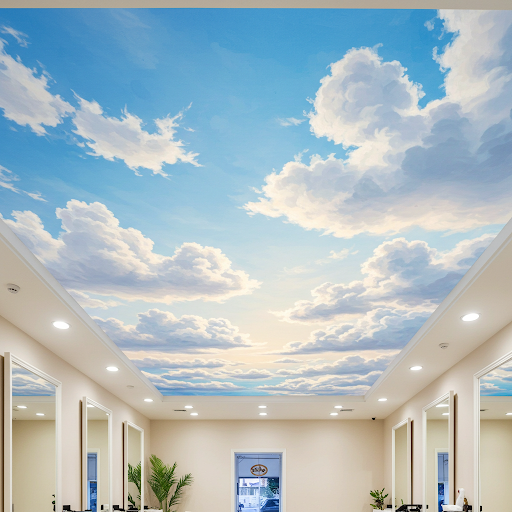
Description
Popular Bedroom Ceiling Mural Designs
A bedroom ceiling mural, often referred to as the “fifth wall,” is a transformative design choice that can alter the perceived height, mood, and scale of a room. Unlike wall murals, ceiling mural applications require specific considerations regarding perspective and lighting.
The choice of theme usually dictates the atmosphere of the bedroom, ranging from restorative to awe-inspiring.
Celestial & Sky Bedroom Ceiling Mural Designs
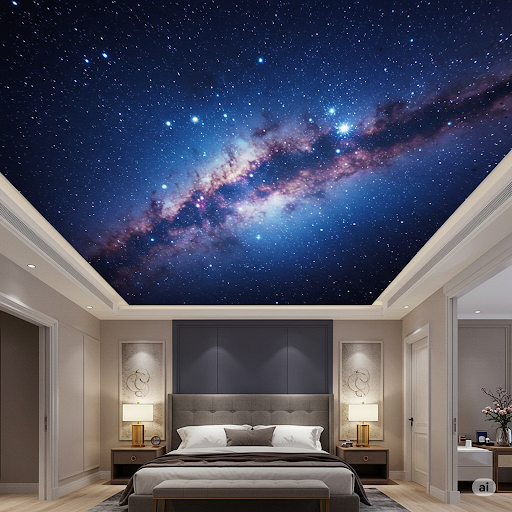
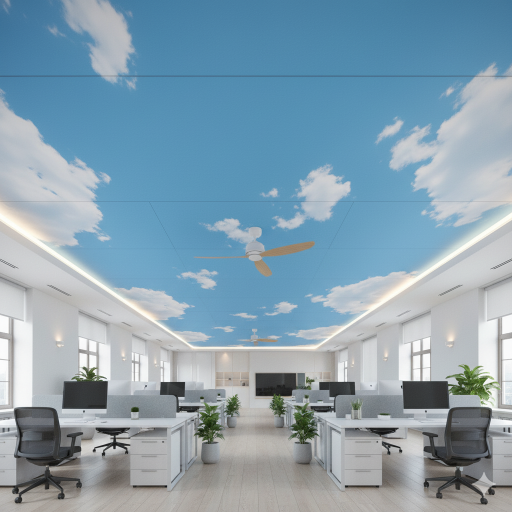
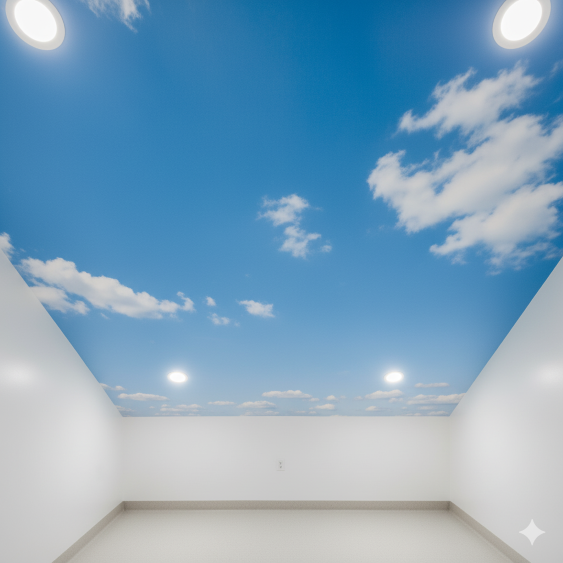
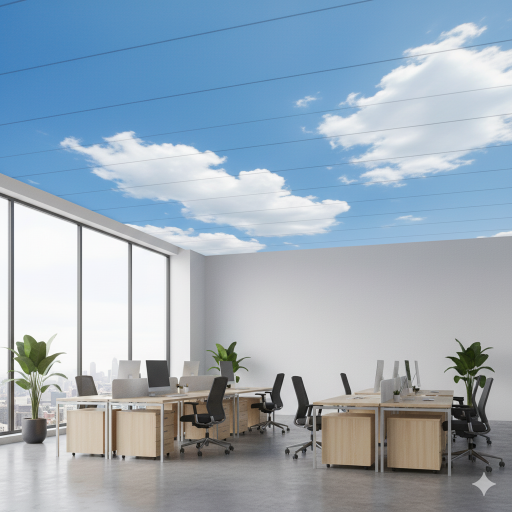
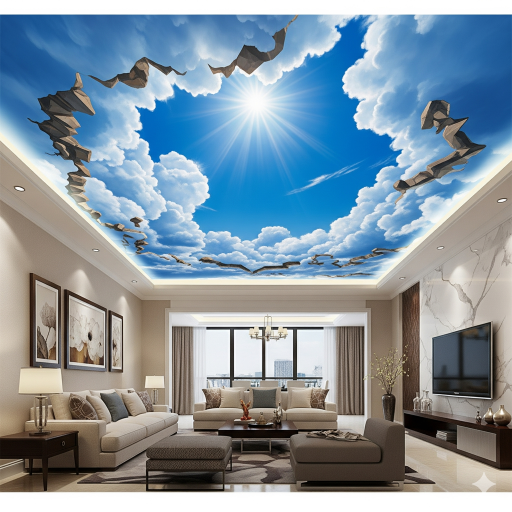
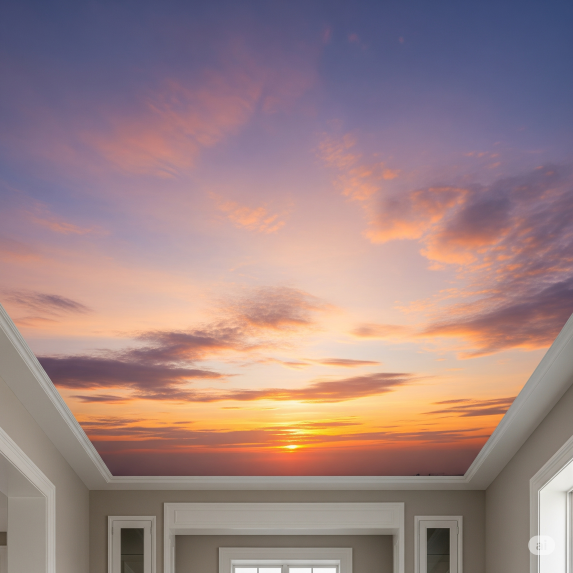
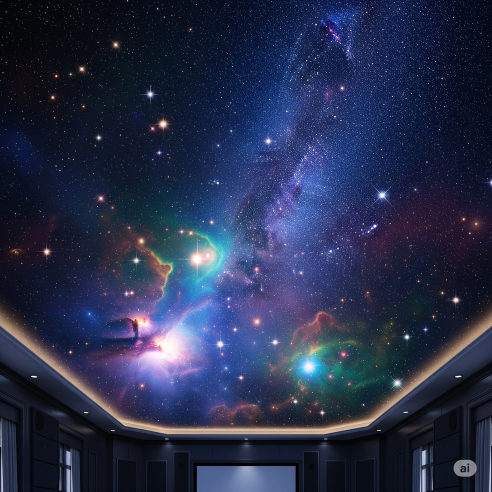
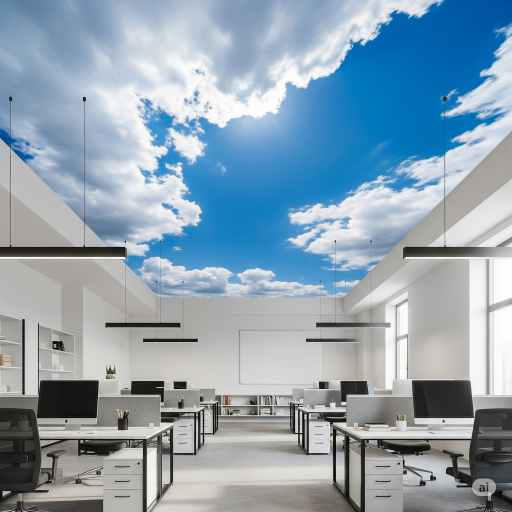
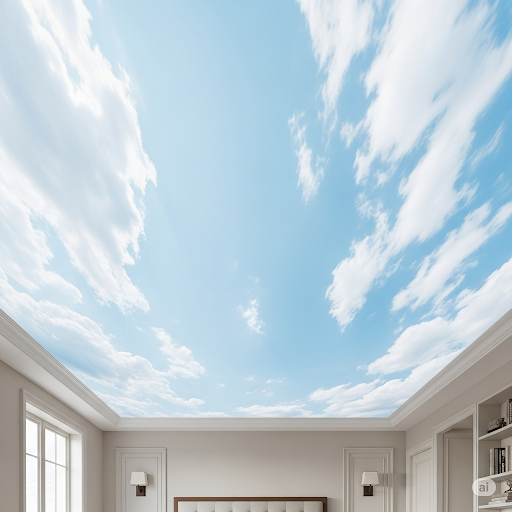
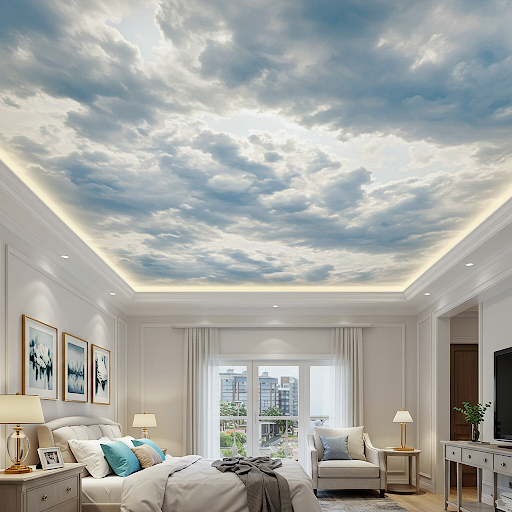
Celestial murals capitalize on the natural association between the sky and rest. Photorealistic daytime skies with soft, backlit clouds create an airy, expansive feeling that can make low ceilings feel infinitely tall. For a nighttime transformation, “starry night” murals utilize phosphorescent or “glow-in-the-dark” paints to map out actual constellations, offering a calming, educational view from the pillow. Alternatively, deep-space nebulae incorporate rich purples, indigos, and teals, often enhanced with fiber-optic lighting to create a 3D shimmering effect. These designs turn the bedroom into a private observatory, promoting deep relaxation through cosmic scale.
Trompe-l’œil (Optical Illusions)
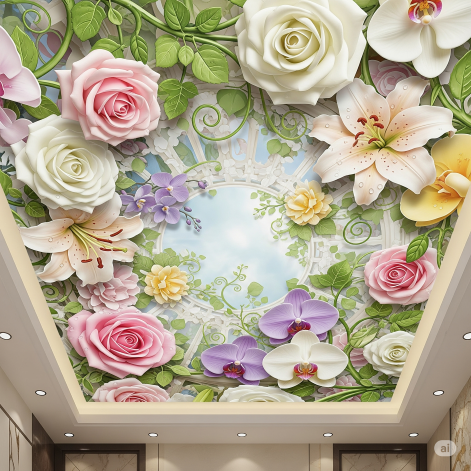
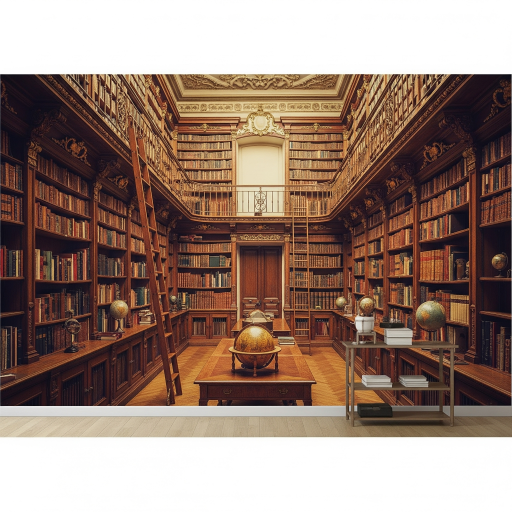
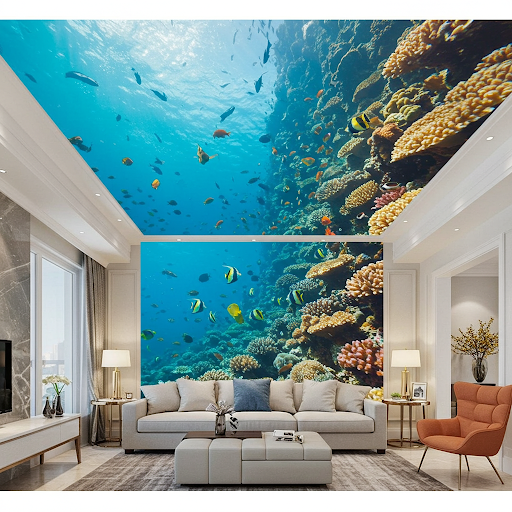
Trompe-l’œil, or “deceive the eye,” uses precise perspective and shadowing to create a sense of three-dimensional depth on a flat surface. In a bedroom, this often manifests as faux skylights that appear to open the room to the atmosphere, or glass-domed atriums that suggest a grander architectural footprint. More classical applications include faux Victorian moldings or coffered wood panels, which add historical character without the weight or cost of real timber. These murals are highly effective in smaller rooms, as the simulated depth “breaks” the physical boundaries of the ceiling, making the space feel significantly more regal.
Nature & Botanicals
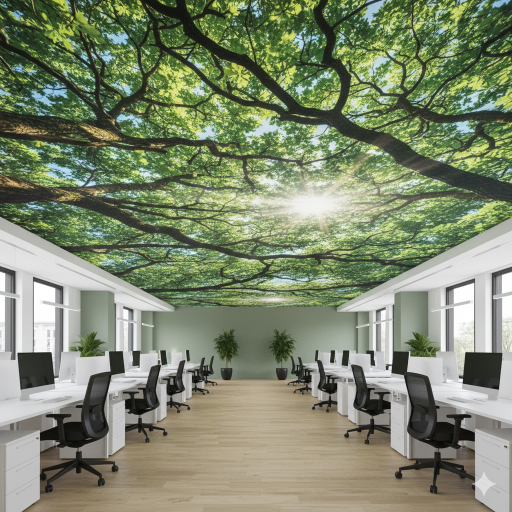
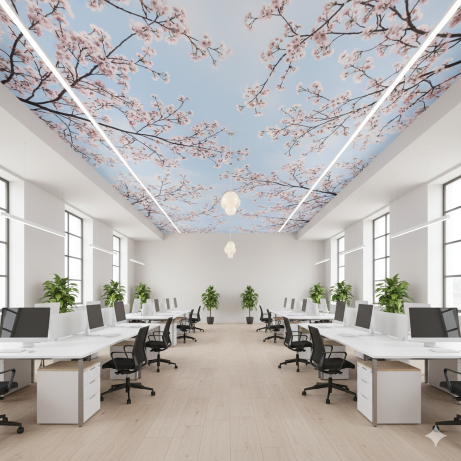
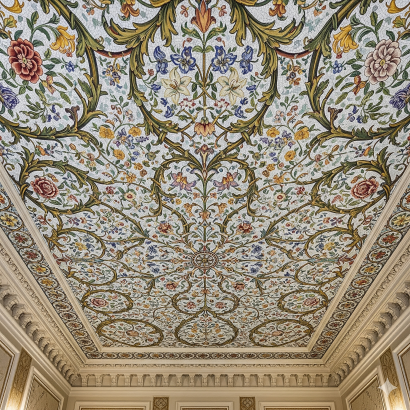
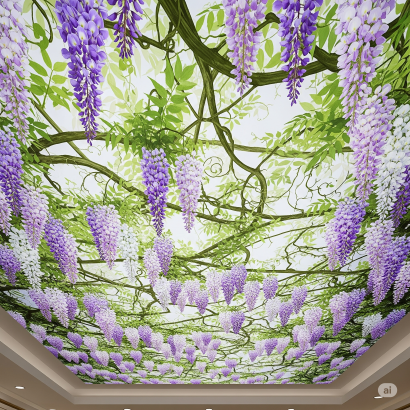
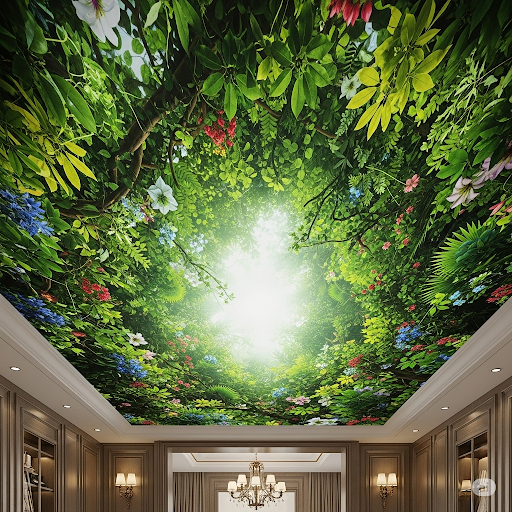
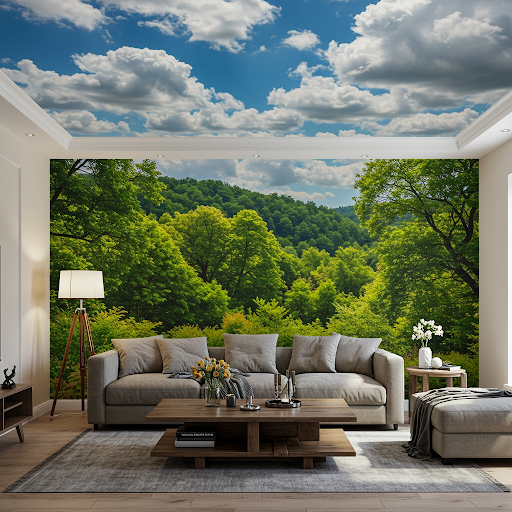
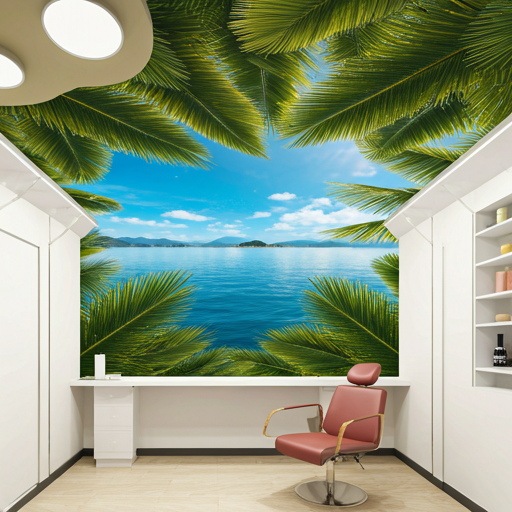
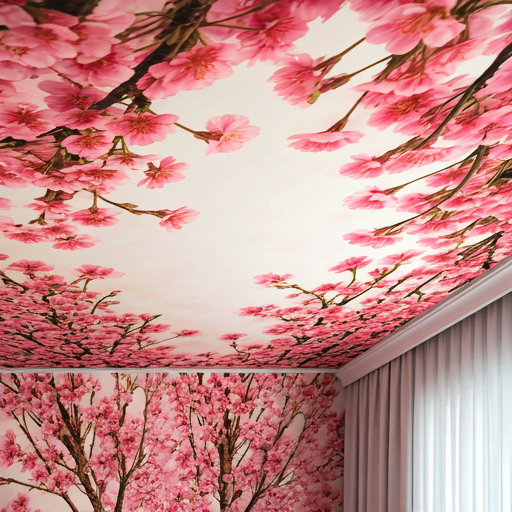
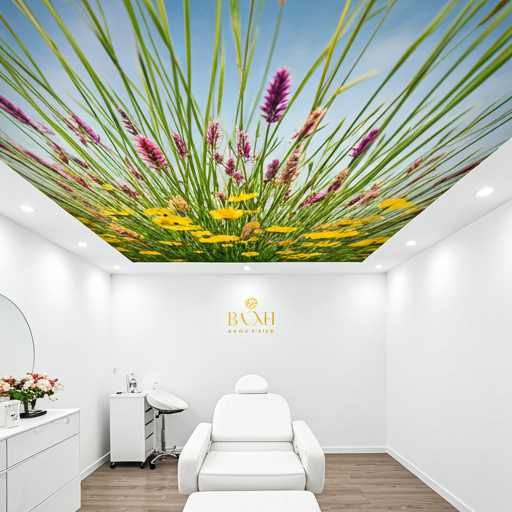
Nature-themed murals aim to bring the “forest bath” experience indoors, fostering a biophilic connection that reduces stress. Popular designs include overhanging tree canopies, where lush green leaves appear to filter sunlight from above, creating a dappled shade effect across the bed. Floral trellises offer a romantic, garden-like atmosphere, often featuring cascading wisteria or climbing roses. By incorporating birds in flight or butterflies, these murals add a sense of gentle motion. The goal is to create an “outdoor” sanctuary that feels secluded and fresh, effectively blurring the line between the built environment and the natural world.
Abstract & Textural
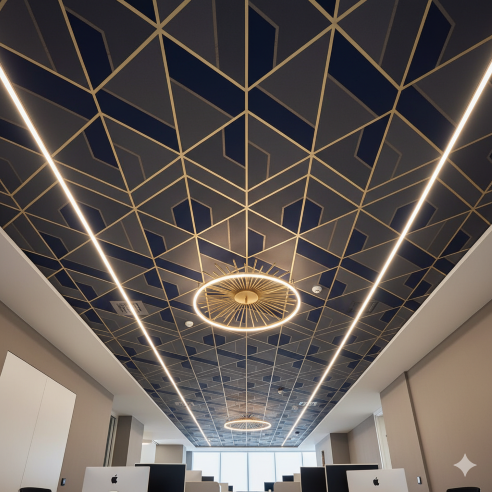
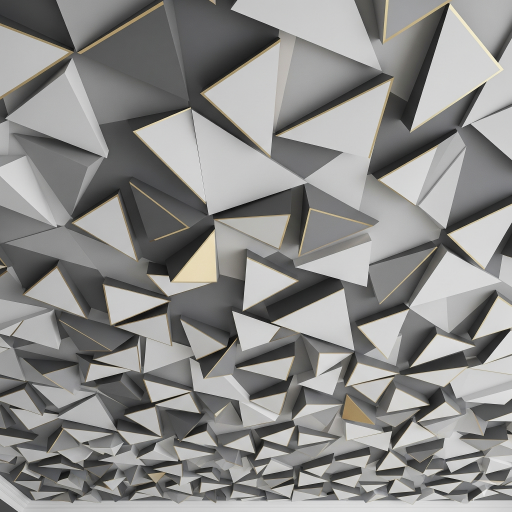
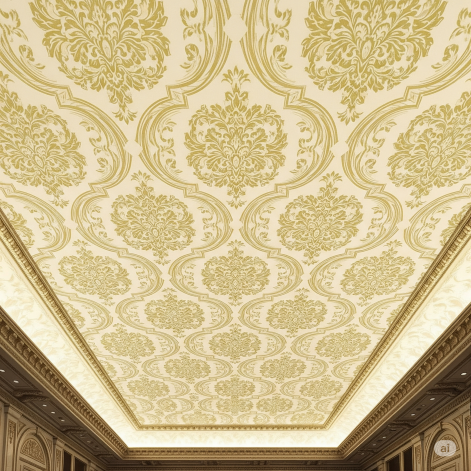
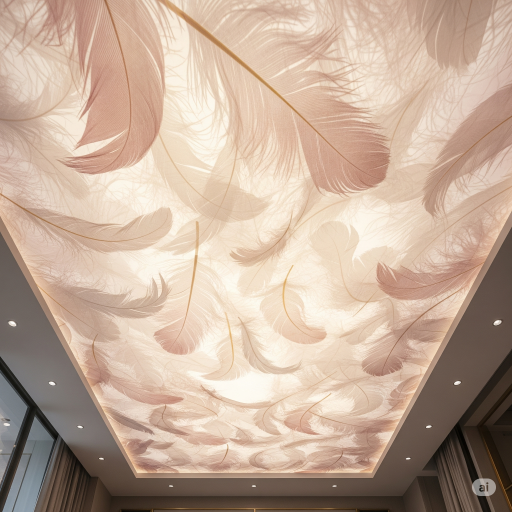
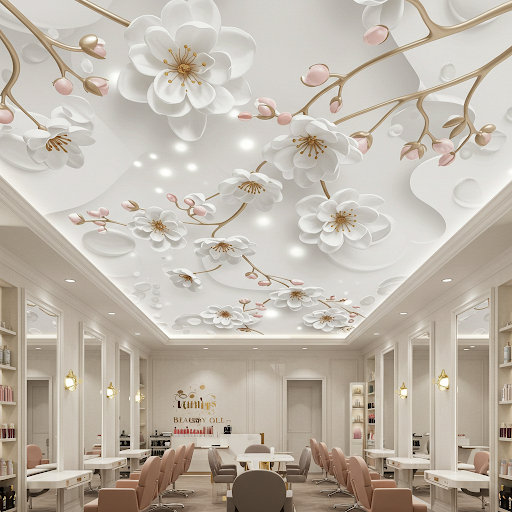
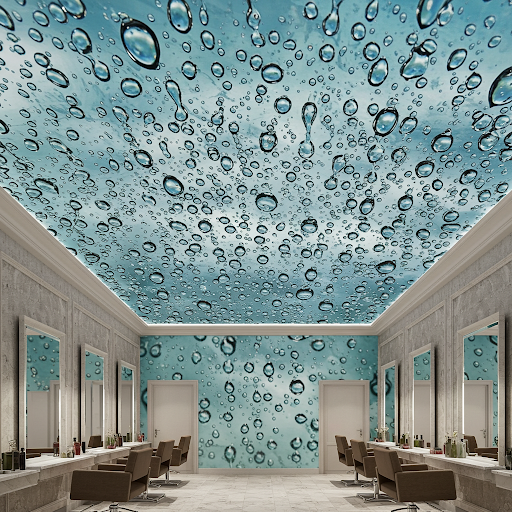
For a more sophisticated, modern aesthetic, abstract murals focus on mood and materiality rather than literal imagery. Watercolor washes in muted tones provide a dreamy, fluid backdrop that doesn’t demand constant visual attention. Metallic gold leafing or silver foiling can be used to catch ambient light, adding a touch of luxury and warmth to the room. Marble or stone textures create a sense of permanence and weight, grounding the space. These designs are ideal for those who find representational art too “busy” for a sleeping area, offering visual interest through color theory and texture without a demanding narrative.
Bedroom ceiling mural material & application options
When selecting materials for a ceiling mural, the physical state of the surface and the environmental conditions of the room (like humidity or sunlight) are just as important as the artwork itself.
Here is a look at how different materials interact with ceiling textures and their expected lifespans.
1. Traditional & Digital Wallpaper (Murals)
This is the premier method for achieving crisp, high-definition imagery. Digital printing allows for hyper-realistic textures, from soft, atmospheric clouds to the complex, vibrant gases of a distant galaxy. It offers a consistent finish that hand-painting can rarely replicate, making it the standard for high-impact, modern bedroom transformations.
Surface Requirements
To achieve a professional result, a Level 5 finish is non-negotiable. This involves a thin skim coat of joint compound over the entire surface to create a perfectly uniform, smooth plane. Once sanded and sealed with a high-quality primer, it prevents the “telegraphing” of imperfections. Even a tiny grain of sand or a hairline crack will be magnified and visible once the mural is adhered.
Material Types
Silk Fabric
The silk fabric offers a luxurious, shimmering texture that enhances the depth of “deep-space” designs. While it provides superior durability and a rich, tactile aesthetic, its weight is significant. To prevent sagging over time, it must be installed using heavy-duty, high-tack adhesives specifically formulated to counteract the constant pull of gravity.
Non-Woven
Highly breathable and resistant to tearing. Non-woven is the “premium” choice because it doesn’t shrink or expand.
Vinyl-Coated
Best for durability and cleaning, but can be heavy. Heavy vinyl requires “extra-strength” adhesives to fight gravity.
Longevity
10–15 years. The main risk is “edge lifting” if the adhesive dries out or if the ceiling wasn’t primed correctly.
2. Hand-Painted & Trompe-l’œil
This “organic” hand-painted approach involves an artist applying pigment directly to the ceiling, allowing for a bespoke fit that responds to the room’s unique architecture. Unlike mass-produced prints, hand-painting offers a soulful, one-of-a-kind quality where brushstrokes and custom color blending create a depth and character that feels truly integrated.
Surface Requirements
Hand-painted murals are remarkably versatile, performing well on textured or uneven surfaces like wood beams, coffers, or even popcorn ceilings. A skilled muralist can actually leverage these imperfections. For instance, using a rough plaster texture to add realistic grit to a “stony” architectural dome or a weathered fresco.
Application
Artists typically utilize high-grade acrylics or specialized lime-based paints to achieve a sophisticated, matte, fresco-like finish. To ensure the colors remain vibrant, the mural is sealed with a non-yellowing matte varnish. This protective layer is crucial for shielding the artwork from UV fading and minor surface abrasions over time.
Longevity
A hand-painted mural can last for decades, often outliving the regular wallpaper alternatives. Although silk fabric will last more than a lifetime. Because the paint becomes part of the substrate, there are no seams to fail or adhesive layers to peel. Its primary vulnerability is structural. If the building settles and the ceiling develops cracks, the artwork will crack along with it.
3. Peel-and-Stick (Self-Adhesive Vinyl)
The “DIY-friendly”, peel-and-stick, or renter-safe option.
Surface Requirements
Must be completely smooth and non-porous. It will not stick to “orange peel” or knockdown textures.
Application
Similar to a giant sticker. The challenge is the “initial tack”—once it touches the ceiling, it’s hard to reposition without stretching the vinyl.
Longevity
2–5 years. Over time, the weight of the vinyl and the heat that naturally rises to the ceiling can cause the adhesive to fail, leading to sagging.
Critical Application Tip: The “Gravity Factor”.
For any adhesive-based mural (wallpaper or decal), primer is non-negotiable. A “clay-based” heavy-duty adhesive is typically recommended for ceilings to ensure the bond is strong enough to withstand the constant downward pull.
Bedroom Ceiling Mural Design Considerations
Because the primary view of a ceiling mural is from a lying-down position, certain “rules” change:
The Focal Point
Positioning is critical for the reclining viewer. Centering the most intricate details—such as the moon, a dense floral cluster, or a structural dome—directly above the bed ensures the mural feels intentional. This alignment anchors the room, creating a personal sanctuary that draws the eye upward precisely where you rest.
Color Temperature
Color choice dictates the room’s perceived volume. Deep shades like navy or charcoal create a cozy, “cocoon” effect in large suites but risk a cave-like feel in tighter spaces. Conversely, soft pastels, light blues, and whites reflect more light, effectively “lifting” the ceiling to make the bedroom feel airy and expansive.
Lighting Integration
Plan for fixtures before application. A central chandelier can disrupt a sky’s continuity, while recessed lights might act as “stars.” Many modern designs incorporate backlit LED strips behind crown molding; this glow enhances the 3D effect of cloud murals, creating a realistic sense of depth and atmospheric light.
The “Wrap” Effect
To maximize immersion, extend the mural roughly 6–12 inches down the top of the walls. This “wrap” technique eliminates the harsh, boxed-in line where the wall meets the ceiling. It transforms the artwork from a flat image into a protective “canopy,” making the environment feel more organic and cocoon-like.
Maintenance & Longevity
Dusting
Ceilings collect less oil than walls but more fine dust. Microfiber dusters on extendable poles are essential.
Gravity
Ensure high-quality adhesive is used for wallpaper murals; standard paste may fail over time due to the constant downward pull.
Would you like me to look into specific installation techniques for DIY projects or perhaps find professional muralists specializing in ceiling work?