


Description
Fake Desk Plants For Office: Designs and Materials
Fake desk plants, also known as artificial or faux plants, are non-living replicas designed to mimic the aesthetic of natural greenery. They are a common feature in modern office and commercial interiors, particularly for desks, shelves, and cubicles where light is poor and maintenance is impractical.
The quality and design of fake desk plants have improved significantly, moving beyond cheap plastic to realistic, durable materials. Here is a breakdown of the primary materials driving this evolution.
Office Silk Desk Plants
Silk botanicals are the premium choice for flowering plants like orchids and delicate foliage. While technically often a high-grade polyester blend, the fabric construction captures the natural translucency and soft movement of real petals. This material excels at holding intricate, hand-painted color gradients, providing a hyper-realistic finish that rigid plastics cannot replicate.
Plastics (Polyethylene/PVC) Plants
This is the dominant material for modern faux greenery, particularly “Real Touch” succulents and broad-leaf plants. Plastic plant manufacturers now use advanced injection molding with high-quality polymers to replicate microscopic details, such as leaf veins and natural serrations. These materials offer a waxy, “cool-to-the-touch” feel and matte finishes that eliminate the tell-tale artificial shine of the past.
Resin/Fiberglass Plants
The Resin/Fiberglass, heavy-duty materials are essential for structural integrity, forming the realistic trunks and thick stems of larger desk plants like Bonsai or miniature Ficus. They allow for deep texturing—mimicking rough bark or wood grain—and add necessary weight to the base. This ballast ensures the plant remains stable and upright, preventing accidental tipping in busy workspace environments.
Fake Desk Plant Designs and Styles for Office Desks
Replicas of “Indestructibles”
The most popular designs mimic hardy, architectural plants like the Snake Plant (Sansevieria), ZZ Plant (Zamioculcas zamiifolia), and various Succulents and Cacti.
Flowering Accents
Designs of orchids or small potted flowers are popular for adding controlled pops of color without the need for light or watering.
Foliage
Replicas of Pothos, small Monstera, or Rubber Plants offer dense, lush greenery for a biophilic touch.
Advantages of Fake Desk Plants
The core benefits of using faux plants relate directly to convenience and operational ease:
Zero Maintenance
They require no watering, pruning, feeding, or special lighting. This eliminates operational costs and the risk of neglect, which is ideal for busy Nairobi offices without dedicated plant care staff.
Durability and Longevity
They do not wilt, fade, or die, offering a guaranteed vibrant appearance 365 days a year. They are immune to pests and disease.
Placement Versatility
They can be placed in extremely low-light areas (hallways, back corners, windowless offices) where no live plant could survive, ensuring every corner benefits from greenery.
Hypoallergenic
They pose no allergy risk to employees, making them a safe choice for all workspaces.
Disadvantages of Fake Desk Plants
While convenient, faux plants come with significant drawbacks, particularly in a biophilic context:
No Health or Air Quality Benefits
This is the biggest limitation. They offer no air purification (no VOC filtration) and provide none of the physiological benefits (stress reduction, blood pressure lowering) scientifically linked to living organisms.
Accumulation of Dust
They require periodic cleaning to prevent dust buildup, which can make them look visibly “fake” and counterintuitive to air quality goals.
Aesthetic Degradation
Low-quality plants can look obviously artificial, detracting from the professionalism of an office space. Even high-quality ones can look static and lifeless over time.
Environmental Impact
Most are made from non-biodegradable plastics and resins, posing a long-term environmental challenge when they are eventually discarded.
The decision to use fake plants often balances the operational convenience against the lost holistic health benefits of their living counterparts.
Some of the most popular fake office desk plants for Offices
This list highlights the 25 most popular artificial (faux) office desk plants currently trending in Nairobi.
They are favored for their ability to provide the “Green City” aesthetic without attracting dust or requiring the maintenance discussed in previous turns.
The “Unkillable” Succulents & Cacti Desk Plants
These are the #1 best-sellers for Nairobi desks because they fit perfectly in small corners and mimic the dryland aesthetic popular in local xeriscaping.
- Artificial Aloe Vera:
A favorite for a “medicinal/fresh” look; popular in reception areas.
2. Faux Jade Plant (Crassula):
Often chosen for its association with good luck and wealth in business.
3. Mini Potted Succulents (Mixed):
Usually sold in sets of 3 in white ceramic or cement pots.
Small round cacti with a bright fake yellow or pink flower glued on top; adds a pop of color.
A trailing succulent often placed on top of file cabinets or high shelves to hang down.
6. Artificial Zebra Haworthia:
Distinctive white-striped leaves that look very architectural and modern.
7. Potted Echeveria:
The classic “rosette” shaped succulent, often sold in stone-finish pots.
The Modern Foliage (Leafy Greens) Desk Wallpaper
These provide a lush, tropical look that softens the harsh lines of modern office furniture.
8. Mini Monstera (Split Leaf):
The trendy “Instagram” plant; even small faux versions are iconic in Nairobi creative offices.
9. Artificial Snake Plant (Sansevieria):
The ultimate vertical accent; preferred in “cylinder” variations for a sleek executive look. 10. Faux ZZ Plant:
Glossy, dark green leaves that look incredibly realistic because the real plant is naturally waxy.
11. Mini Fiddle Leaf Fig:
A scaled-down version of the popular floor tree; broad leaves make a bold statement on a large desk.
12. Artificial Pothos (Money Plant):
Often sold in small pots to sit on the edge of a desk. The “vines” can be draped along dividers.
13. Faux Aglaonema (Chinese Evergreen):
Popular for its variegated silver and green leaves which brighten up dark cubicles.
14. Artificial Fern (Boston Fern):
Adds texture and “fluffiness,” though harder to dust than broad-leaf plants.
15. Faux Spider Plant:
Classic two-tone green and white leaves; often looks very convincing from a distance. 16. Artificial Dieffenbachia (Dumb Cane):
Large, speckled leaves that provide good visual screening/privacy on open desks.
Flowering & Colorful Accents Desk Plants
Used to add a permanent splash of color to neutral grey/beige Nairobi offices.
17. Potted Phalaenopsis Orchid:
The standard for executive desks and reception counters. usually white or purple.
18. Faux Anthurium:
distinctive red, heart-shaped “flowers” that look plastic even when real, making the fake version very convincing.
White “spoon” flowers; symbolizes peace and tranquility in high-stress environments.
20. Faux Lavender Pot:
Adds a soft purple hue and a “rustic/farmhouse” vibe to the workspace.
Elegant and trumpet-shaped; often sold in tall, slender glass vases with fake “water” resin at the bottom. 22. Faux Begonia: Known for darker, reddish-green leaves and small floral clusters.
Architectural & Zen Styles Office Desk Plants
Structured plants for minimalist or highly organized workspaces.
The ultimate status symbol for senior management desks; projects patience and wisdom.
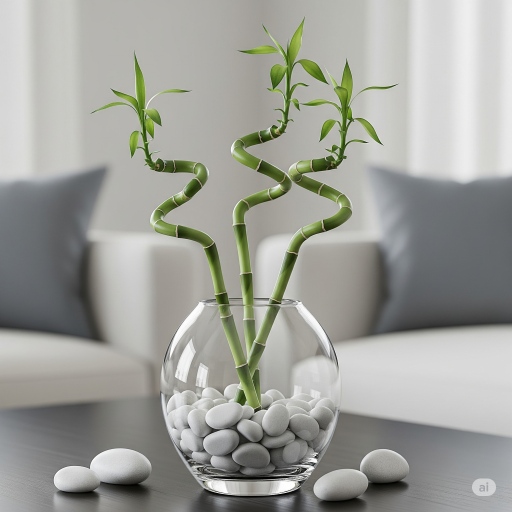
Often sold in square glass containers with pebbles; associated with growth and resilience.
25. Potted Wheatgrass / Boxwood Ball:
Uniform, manicured geometric shapes (usually perfect spheres or squares) that look very tidy and modern.