

Description
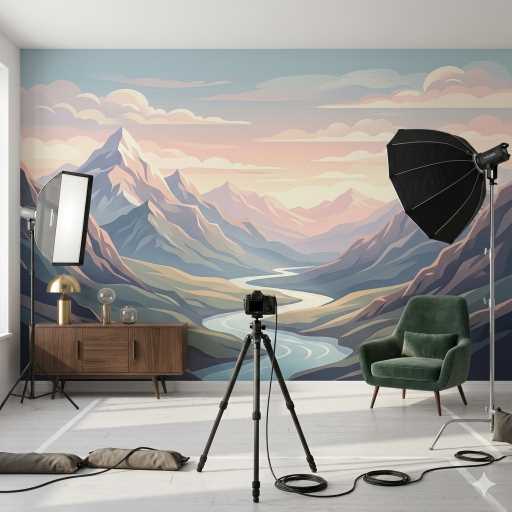
A home studio wallpaper mural is a large-scale, often custom-designed wall covering intended to define the aesthetic and functional atmosphere of a dedicated creative space. Unlike standard repeating pattern wallpaper, a mural is typically a single, expansive image or design that spans an entire wall, acting as a functional backdrop for video production, recording, or artistic inspiration.
In a home studio, a wallpaper mural transcends mere decoration, serving as a critical intersection between visual branding and technical functionality. For YouTubers and streamers, a high-quality matte mural acts as a non-reflective “set,” ensuring studio lights don’t create distracting glares.
In music and podcasting environments, choosing thick, non-woven materials can subtly improve room acoustics by reducing flutter echoes. Whether it’s a dark, cinematic texture for film or an inspiring botanical scene for digital artists, the right mural defines the professional identity of the creator while optimizing the space for high-quality content production.
Key Characteristics of Home Studio Wallpaper
Non-Reflective Surfaces
Most high-quality studio murals utilize a matte finish. This is critical for content creators because it prevents “hot spots” or glare from studio lights (softboxes, ring lights) from appearing in the background of videos.
Material Composition
Many professional-grade murals are made from non-woven materials. These are breathable, durable, and easier to install or remove without damaging the drywall—a major plus for those in rental spaces or evolving setups.
Acoustic Considerations
While standard wallpaper doesn’t provide significant soundproofing, specialized “acoustic murals” exist. These are thicker, felt-like, or foam-backed materials that help reduce high-frequency reflections and flutter echoes within the room.
Popular Home Studio Wallpaper Design Themes
To transform a standard room into a professional environment, the design of a wallpaper mural should align with both the technical requirements of your gear and the psychological needs of your creative process.
1. High-Contrast & Dark Accents (Black/Charcoal)
For filmmakers, photographers, and colorists, dark matte murals in black or deep charcoal are the definitive industry standard for a professional home studio. These high-contrast accents serve a critical technical purpose: they absorb excess ambient light rather than reflecting it back onto the subject or the monitor. This prevents “color contamination” and ensures that the creator sees the most accurate representation of their work.
Beyond the technical utility, these moody, non-reflective surfaces provide a cinematic depth of field, making the foreground subject pop with clarity. The resulting aesthetic is one of sophisticated, high-end focus that mirrors a professional editing suite.
2. Nature & Botanical Home Studio Wallpaper Murals
For creators focused on writing, music production, or wellness, biophilic murals are an essential tool. These nature-centric designs do more than decorate. They transform a sterile indoor environment into a living, breathing creative hub. By bringing the outdoors in, these murals align the studio’s aesthetic with the rhythmic, organic nature of deep creative work and mental clarity.
The Look
Visual options range from the bold architectural lines of over-sized monstera leaves to the ethereal depth of misty pine forests or soft floral silhouettes. These designs often utilize a muted, matte palette to ensure that the intricate details of the foliage remain sophisticated rather than distracting, providing a high-definition backdrop that feels layered and three-dimensional on camera or in person.
The Benefit
Incorporating nature-inspired designs is a scientifically backed method to lower cortisol levels and combat “creative block.” These murals act as a vital “visual rest” for the eyes during grueling hours of screen-based editing or writing. By reducing mental fatigue, they maintain high levels of focus and psychological endurance, ensuring the home studio remains a place of consistent, healthy productivity.
The Vibe
The overarching vibe is organic, tranquil, and remarkably airy. A well-chosen botanical mural has the unique ability to “push back” the walls, turning a cramped spare room or basement into an expansive-feeling sanctuary. It creates an atmosphere of quiet inspiration where the mind feels free to wander, making the studio a preferred destination for both work and professional recovery.
3. Geometric & Tech-Futurism Home Studio Wallpaper Designs
In the gaming, software development, and STEM-focused “Edu-Tainer” communities, geometric murals are a top choice for a professional studio backdrop. These designs leverage mathematical precision to create a highly organized visual field. By grounding the creative space in structured patterns, they reflect a sense of logic and technical mastery that resonates deeply with digital-first audiences and high-tech professionals.
The Look
These designs feature intricate hexagonal grids, 3D-effect “wireframes,” or isometric patterns that create an illusion of depth. Many high-end options incorporate simulated “neon-glow” effects, which are digitally printed onto a flat, matte surface. This allows creators to achieve a vibrant, futuristic aesthetic—perfect for gaming setups—without the technical challenges of managing actual light reflections or camera glare.
The Benefit
Beyond the style, these geometric patterns are exceptionally practical for hiding minor wall imperfections or uneven surfaces. The crisp, structured lines provide a constant sense of order and high-tech proficiency to your viewers. For those filming content, these repetitive patterns maintain visual consistency across different camera angles, ensuring your “digital set” always looks polished and intentionally designed.
The Vibe
The resulting vibe is intensely energetic, modern, and disciplined. This style transforms a standard home office into a high-performance command center that feels both cutting-edge and meticulously curated. It communicates a forward-thinking attitude, making the studio feel like a portal to the future, which is ideal for anyone working at the intersection of technology, education, and digital entertainment.
4. Industrial Textures (Brick & Concrete)
For podcasters and lifestyle creators, industrial murals offer an efficient way to establish a professional “on-location” feel without the high cost or mess of a physical renovation. These designs provide an immediate sense of place, grounding a digital studio in a tangible, architectural reality. They are perfect for creators who want their space to feel like a high-end urban loft.
The Look
These murals authentically replicate the appearance of weathered red brick, raw poured concrete, or even oxidized, rusted metal plates. High-definition printing on matte non-woven materials captures every crack, mortar line, and textural variation. This level of detail ensures that even under close-up camera angles, the “material” looks three-dimensional and structurally convincing to your audience, providing a rich, tactile background.
The Benefit
Industrial textures add a layer of “grit” and visual complexity that enhances a frame without becoming a distraction. They are technically superior for filming because their matte, irregular surfaces diffuse light beautifully. These murals pair exceptionally well with “warm” accent lighting, such as Edison bulbs or amber LEDs, to create an inviting, conversational atmosphere that feels both intimate and professionally staged.
The Vibe
The resulting vibe is unapologetically authentic, urban, and grounded. It strips away the sterile feel of a standard drywall room, replacing it with a rugged, “lived-in” aesthetic. This style communicates a sense of reliability and history, making it the ideal choice for interview-style shows, deep-dive podcasts, or any content where a “down-to-earth” yet sophisticated personality is the primary focus.
Pro-Tip: The “Depth of Field” Rule
When choosing a theme, consider how it looks when out of focus. If you use a camera with a wide aperture (low f-stop), high-contrast patterns like geometrics or bricks create a beautiful “bokeh” effect in the background, whereas busy nature scenes might look like a green smudge if not lit correctly.
Functional Benefits
Instant Branding
If you are a YouTuber or streamer, a mural serves as your “set.” A celestial or tech-focused mural immediately tells the audience what your channel is about.
Zoning
In multi-purpose rooms (like a bedroom that doubles as a studio), a mural visually separates the “work” area from the “rest” area.
Durability
Murals are often wipeable and resistant to the scuffs that come from moving tripods, mic stands, and gear.
Would you like me to find some specific matte-finish mural designs or installation tips for your own studio space?
Video photography studio wallpaper
For video backgrounds, the “best” matte texture isn’t just about color. It’s about how the surface breaks up light to create professional depth without distracting the viewer. Based on the technical requirements for high-definition filming, here are the top matte-finish textures that excel as backdrops:
1. Industrial Faux-Finishes (The “Pro-Set” Look)
These textures are the gold standard for high-end video because they provide visual interest without being “busy.”
Micro-Cement or Venetian Plaster
This offers a very subtle, mottled matte texture. In video, it creates a soft gradient of light and shadow that looks like a high-end custom-built studio wall.
Charred Wood (Shou Sugi Ban) or Slate
These deep black matte textures are exceptional for “moody” or “cinematic” setups. Because they are ultra-matte, they swallow light, making your skin tones pop against the dark background.
Oxidized Metal
Provides a rugged, non-reflective “steampunk” or “tech” feel that works well for reviewers and podcasters.
2. High-Density Non-Woven (Fleece) Matte
This is a premium material choice rather than just a visual design.
The Texture
It has a soft, almost fabric-like feel that is naturally “flat.”
The Benefit
Unlike vinyl (which can have a slight “plastic” sheen), non-woven murals are virtually reflection-proof. They also have slight sound-dampening properties, which helps reduce the “tinny” echo in smaller home offices.
Color Tip
Using a muted watercolor wash or a cold-press paper texture on non-woven material mimics the look of a high-end art gallery.
3. Scandinavian-Industrial Fusion
If you want a bright, airy “minimalist” look, a stark white wall can often look “blown out” or cheap on camera. Instead, look for:
White Matte Exposed Brick
The physical “texture” of the brick design creates micro-shadows that give the camera something to focus on, preventing the background from looking like a flat white void.
Matte Stone or Limestone
This provides a “creamy” white/off-white finish that feels warmer and more professional than a standard painted wall.
Comparison: Texture Performance on Camera
| Texture Type | Reflectivity | Depth of Field Rank | Best Lighting Setup |
| Matte Cement | Zero | High (Great Bokeh) | Side-lit (rem accentuates texture) |
| Non-Woven Fabric | Zero | Medium | Softbox / Diffused Light |
| Matte Brick | Low | High | Top-down or “Hair” lighting |
| Flat Dark Wood | Zero | Very High | Warm “Edison” bulbs |
Why “Matte” is Non-Negotiable
In video production, any “specular highlight” (a shiny spot) on your wall will draw the viewer’s eye away from you. A true matte finish ensures that even if you have a bright ring light or softbox pointed near the wall, the light will disperse evenly rather than bouncing back into the lens.