


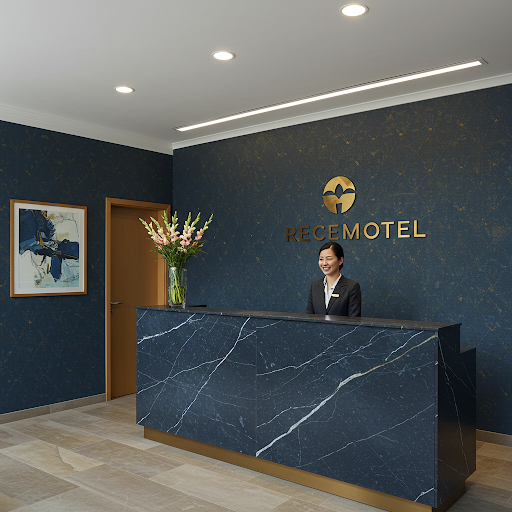
Description
Hotel Reception Wallpaper Murals
Hotel reception wallpaper murals act as the architectural “anchor” of a lobby. They serve a dual purpose as both a branding powerhouse and a psychological cue. Strategically placed behind the front desk, they establish the property’s narrative within seconds of a guest’s arrival. Whether through a vibrant local cityscape or a calming biophilic forest, the mural defines the atmosphere—be it high-energy urban luxury or serene coastal retreat.
Beyond aesthetics, these murals function as a high-impact marketing tool. In the era of social media, a distinctive mural creates a dedicated “Instagrammable” backdrop. This encourages guests to share their arrival online. Operationally, they provide a cost-effective alternative to expensive stone or woodwork. At the same time offering superior durability through commercial-grade wallpaper. By visually masking the “transactional” nature of check-in, hotel reception wallpaper murals transform a functional counter into an immersive gateway. This significantly enhances the guest’s first impression and perceived value of the stay.
Current Hotel Reception Wallpaper Design Trends
Contemporary hotel reception wallpaper murals have shifted from static decoration toward emotional resonance and functional storytelling. In 2026, the industry is moving away from “visual spectacles” that only look good in photos toward “restorative luxury.” Surfaces that feel high-end to the touch and that provide sensory comfort.
The following trends are currently defining high-end hotel receptions:
Neuro-Aesthetics & Restorative Luxury
The evolution of Neuro-Aesthetics in hospitality reflects a deeper understanding of how physical environments influence the nervous system. By prioritizing sensory comfort, hotels are transforming reception areas from high-stress transit points into “decompression zones.”
The Science of Calm
Soft Geometry Designers are increasingly moving away from aggressive, sharp-edged patterns in favor of “biomorphic” curves. By mimicking the fluid movement of water, shifting clouds, or rolling hills, these murals tap into our innate preference for organic shapes. This transition from rigid to rounded geometry creates a sense of spatial “flow.” This significantly reduces the visual friction often associated with sterile hotel environments.
Visual Rhythm
A restorative lobby relies on low-contrast, repetitive motifs that the human brain can process with minimal effort. This structured “visual rhythm” avoids the chaotic “visual noise” that exacerbates traveler fatigue. By utilizing balanced, harmonious patterns, hotel reception wallpaper murals provide a predictable and soothing backdrop. Helping guests transition from the sensory overload of travel to a state of focused relaxation.
Atmospheric Mastery: Subtle Gradients Wallpaper
Mineral Tones
Modern murals utilize “mineral greens” and “dusty teals” specifically because these hues sit at the center of the visible light spectrum. This placement allows the human eye to focus with minimal muscular effort, effectively resting the ocular system. By employing these low-strain palettes, hotel reception areas provide immediate relief from the harsh, high-contrast artificial lighting.
The Ombre Effect Wallpaper Mural
Vertical gradients serve as a clever architectural hack to manipulate spatial perception. By grounding the wall with darker tones at the base and transitioning to airy, lighter shades toward the ceiling, designers “lift” the room visually. This ombre effect creates an expansive, open-sky feel, effectively mitigating the claustrophobia of low-ceilinged lobbies and fostering a sense of freedom and light.
3. Hotel Reception Wallpaper Tactile Textures
Modern wallpaper has transcended its role as a purely visual medium to become a profound multi-sensory experience. By integrating depth and physical relief, these surfaces invite touch and provide a layer of luxury that flat prints cannot replicate. This tactile shift ensures the lobby feels curated and high-end, engaging the guest’s senses to create a more memorable and grounded arrival.
Acoustic Softening
Fabric-backed vinyls and non-woven substrates serve as a functional “soft cap” for ambient noise. In the high-ceilinged, hard-surfaced environment of a busy lobby, these specialized murals absorb high-frequency chatter and the percussive rolling of suitcase wheels. By dampening echoes, they foster a more intimate, library-like atmosphere that allows for clearer communication at the front desk and a calmer check-in.
The Wabi-Sabi Influence
Rooted in the Japanese aesthetic of “perfect imperfection,” this trend replaces clinical precision with organic warmth. Murals mimicking hand-troweled plaster, weathered linen, or oxidized metals offer a sense of authenticity and “tactile honesty.” These irregular textures diffuse light softly, preventing harsh glares and helping weary travelers feel more connected to the human element of the design rather than a sterile corporate facade.
2. “Biophilic Maximalism.”
The design landscape has shifted from passive greenery to Biophilic Maximalism, an immersive approach that saturates the senses. Unlike previous trends that used plants as accents, this movement treats nature as a detailed narrative. It combines high-density imagery with rich textures, turning reception walls into expansive, “living” landscapes that provide deep psychological comfort and a powerful, nature-first brand identity.
Detailed Botanicals
The trend has matured beyond generic “jungle prints” into highly detailed, scientifically accurate botanical illustrations. These murals resemble oversized pages from a vintage explorer’s sketchbook, featuring intricate line work of indigenous flora and anatomical plant details. This precision adds a layer of intellectual sophistication, inviting guests to examine the art closely, much like a curated museum exhibit.
Earthy Sophistication
Color palettes have transitioned from bright, synthetic greens to a grounded “herb green,” terracotta, and deep ochre. By setting these muted, organic tones against dark, moody backgrounds, designers achieve a “vertical garden” effect. This creates a lush, shadowy depth that mimics a real forest floor, providing the restorative benefits of greenery without the complex maintenance of living walls.
3. Hyper-Localization & Cultural Storytelling
Hotels are increasingly using reception murals to anchor guests in their destination from the moment of arrival. By moving away from generic global aesthetics, these designs serve as a visual bridge to the neighborhood. This approach fosters an immediate emotional connection, transforming the lobby into a cultural gateway that celebrates the unique identity, history, and character of the specific local community.
Bespoke Narrative Art
Properties are partnering with local illustrators to create custom-commissioned murals that act as visual archives. These designs often feature stylized neighborhood maps, historical city blueprints, or vignettes of local life. By ditching stock imagery for artist-led storytelling, the reception becomes a conversational centerpiece, providing guests with a curated “insider’s view” of the city’s heritage and contemporary creative spirit.
Material Honesty
Beyond visual imagery, localization is being expressed through tactile “material honesty.” Modern murals utilize advanced printing to mimic the specific textures of regional stone, indigenous timber, or local craft traditions like weaving. This sensory approach creates a “sense of place” through the surfaces themselves, ensuring the lobby feels physically connected to the geography and architectural vernacular of the region.
4. 3D & “Living” Hotel Reception Wallpaper Murals
Advanced manufacturing technology has propelled wallpaper beyond the traditional two-dimensional plane, creating surfaces that interact dynamically with their environment. These “living” murals use depth and physical relief to break the flat monotony of lobby walls. By integrating sculptural elements, the reception area becomes a shifting landscape that responds to changes in light, perspective, and the movement of guests.
Raised Irregularities
Modern murals utilize specialized techniques like embossed quartz sand or layered non-woven fibers to create physical depth. These raised irregularities are designed to catch natural and artificial light at varying angles throughout the day. As the sun moves or the lobby’s lighting dims, the shadows shift, making the wall appear to breathe and evolve, providing a constant sense of visual discovery.
Sustainable Innovation
The current move toward “living” surfaces also includes a commitment to the health of the interior environment. 2026 trends prioritize PVC-free substrates and low-VOC (Volatile Organic Compound) inks. These innovations ensure that the “breathable” aesthetic is backed by tangible air quality benefits, meeting stringent environmental certifications while providing a safe, odor-free experience for both guests and front-desk staff.
5. The Hybrid “Third Space.”
Modern hotel lobbies have evolved into “Third Spaces”—dynamic hubs blending work, rest, and social interaction. Hotel reception wallpaper now serves as a crucial zoning tool, using distinct visual narratives to delineate functional areas without physical barriers. High-energy geometric murals might define a co-working “hot desk” zone, while softer, acoustic-dampening textures create “hush pockets” for private meetings or relaxation.
Acoustic Art
Murals are no longer just aesthetic. They are often integrated with acoustic decorative materials to create “quiet zones” within the reception area, allowing for private check-ins or quick business calls in an open-plan lobby.
Hotel Reception Wallpaper Functional Considerations
In high-traffic zones like the front desk, material performance is paramount. Type II Vinyl is the professional benchmark, providing essential fire-rated safety and superior resistance to luggage scuffs and high-impact wear. These commercial-grade surfaces support rigorous sanitization protocols, ensuring that the mural remains pristine and visually striking despite the constant physical demands of a busy lobby environment.
Strategic Impact
A compelling mural humanizes a lobby, stripping away the sterile atmosphere of traditional transit hubs. Utilizing digital wide-format printing, hotels create seamless, immersive backdrops that function as primary “Instagrammable” anchors. This transforms the reception area into a powerful marketing engine, generating organic social media exposure and establishing the property’s brand identity the moment a guest begins their stay.
Benefits of hotel reception wallpaper
Wallpaper murals have evolved from simple decorative accents into strategic branding and functional tools for the hospitality industry. In a hotel reception, where the “first seven seconds” of a guest’s stay occur, a mural serves several key purposes.
1. Defining Brand Identity and “Sense of Place.”
A mural serves as a powerful visual shorthand, instantly communicating a hotel’s unique personality and values to arriving guests. By transforming a blank wall into a bold brand statement, it establishes an immediate emotional connection. This artistic intervention ensures the reception area feels distinctive rather than generic. And leaves a lasting impression that reinforces the hotel’s specific market positioning and identity.
Storytelling
Murals act as immersive narratives, grounding the property in its specific geographic or thematic context. Whether through a vintage map highlighting local history, a lush botanical display of indigenous flora, or a sophisticated abstract piece, these visuals tell a story. They provide guests with a deep “sense of place,” anchoring the travel experience and connecting the interior environment to the world outside.
Aesthetic Cohesion
In a busy reception area, a mural functions as the ultimate visual anchor, harmonizing disparate design elements into a unified whole. It effectively bridges the gap between diverse furniture styles, flooring textures, and lighting fixtures. By pulling various colors and motifs together, the mural creates a curated, intentional, and professional look that feels balanced, sophisticated, and thoughtfully designed for the guest.
2. Enhancing the Guest Experience
The hotel reception area is the critical touchpoint where a guest’s journey truly begins. Yet it often feels transactional or stressful after exhausting travel. Strategic murals proactively shift this mood. And transforms a functional lobby into a welcoming sanctuary. By replacing sterile walls with engaging art, the hotel eases the transition from the chaos of travel to the comfort of a premium stay.
Psychological Impact
Large-scale nature scenes or gentle color gradients do more than decorate; they serve as a psychological balm for weary travelers. These visuals are scientifically proven to lower heart rates and reduce cortisol levels. By providing a captivating focal point, murals effectively shorten the “perceived” wait time in the check-in queue, ensuring guests feel calm and relaxed before they even reach their rooms.
Photography and Social Media
In today’s digitally-driven travel landscape, a striking reception mural functions as a powerful, permanent marketing asset. A visually compelling photomural backdrop encourages guests to capture photos and share them across social media platforms instantly. This user-generated content provides invaluable organic exposure, turning a simple wall into a global advertisement that showcases the hotel’s unique aesthetic to thousands of potential future visitors.
3. Practical and Spatial Benefits
Beyond their obvious aesthetic appeal, murals serve as high-performance architectural solutions that address common maintenance and structural challenges in high-traffic environments. They provide a cost-effective way to fix awkward layouts or protect vulnerable surfaces without the need for expensive renovations. By merging form and function, murals transform problematic reception areas into streamlined, efficient spaces that look pristine despite heavy daily use.
Zoning
A mural acts as a sophisticated spatial tool, visually defining the reception desk as a distinct zone without the need for obstructive physical barriers or permanent walls. This creative boundary separates the functional check-in area from the surrounding lounge or lobby, guiding guest flow naturally. It maintains an open-concept feel while providing the necessary structure to organize a multi-use environment.
Spatial Perception: Small Lobbies
In cramped reception areas, murals featuring panoramic landscapes or “trompe l’oeil” optical illusions can dramatically alter a guest’s perception of the room. By creating a sense of depth and an artificial horizon, these designs trick the eye into seeing more space than actually exists. This makes a tight, windowless entrance feel significantly larger, airier, and more comfortable for waiting guests.
High Ceilings
For cavernous lobbies with intimidating vertical volume, grand-scale art or vertical patterns help ground the architecture. These murals draw the eye downward or fill the upper void, making soaring spaces feel more intimate, intentional, and human-centric. By adding texture and color to vast wall expanses, they eliminate the cold, echo-prone atmosphere often found in large-scale modern hotel entrances.
Durability
Modern commercial-grade vinyl murals are engineered specifically for the rigors of hospitality environments, offering far superior protection compared to standard paint. They are built to resist the inevitable scuffs, scratches, and impact marks caused by heavy luggage and constant foot traffic. These surfaces are easily scrubbable and colorfast, ensuring the reception remains vibrant and professional-looking for years with minimal maintenance.
4. Acoustic and Maintenance Advantages
Acoustic Management
Many custom murals can be printed on acoustic-grade materials. This helps dampen the echo in busy lobbies, making it easier for receptionists and guests to hear each other.
Seamless Camouflage
Murals are excellent for hiding wall imperfections or cleverly concealing service doors that need to be accessible but remain “invisible” to guests.
Paint vs. Reception Office Wallpaper Mural
| Feature | Standard Paint | Wallpaper Mural |
| Visual Impact | Low to Moderate | High / Immediate |
| Customization | Color only | Infinite (Photos, Art, Logos) |
| Durability | Prone to scuffs | High (with commercial vinyl) |
| Maintenance | Frequent touch-ups | Wipeable and long-lasting |