


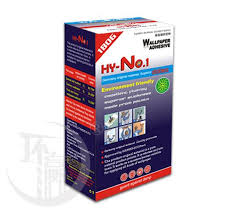
Description
How to mix wallpaper adhesive with water
For a professional wallpaper installation, you need to know how to mix wallpaper adhesive with water. Mixing starch-based powder adhesive is a straightforward process. But it requires a specific technique to ensure you don’t end up with a bucket full of “fish eyes” (lumps of dry powder encased in gel).
Here is the scientific approach to achieving a smooth, high-tack consistency.
1. Preparation & Powder/Water Ratios
Achieving the correct water-to-powder ratio is a precise exercise in balancing viscosity and shear strength. Since wallpaper weights vary significantly—from delicate papers to heavy-duty vinyls—a “one-size-fits-all” mixture will lead to installation failure.
Lightweight murals require a thinner consistency (higher water ratio) so the adhesive can penetrate the fibers for proper expansion. Conversely, heavy-duty murals need a thick, high-solids paste (lower water ratio) to provide the “wet tack” necessary to counteract gravity. Always consult the manufacturer’s technical data; even minor deviations in water volume drastically change the adhesive’s bonding power and the “slip” required for perfect pattern alignment.
General Ratio Guidelines
| Material Weight | Consistency Goal | Scientific Purpose |
| Lightweight Paper | Thin / Soup-like | Maximizes fiber penetration and expansion. |
| Medium / Embossed | Creamy / Custard | Balances “slip” with holding power. |
| Heavy-Duty Vinyl | Thick / Heavy Paste | Provides maximum initial “grab” to prevent sagging. |
| Material Type | Water per Packet (Approx.) | Consistency Goal |
| Lightweight/Standard Paper | 7.0 Liters | Like a thin soup |
| Standard Murals/Embossed | 5.0 – 6.0 Liters | Like a thick cream |
| Heavy-Duty/Textured | 4.0 – 4.5 Liters | Like a heavy custard |
2. The “Whirlpool” Method
The most common mistake is dumping the powder into the water all at once. To prevent clumping, follow these steps:
1. Use Cold Water
Starting with cold water is scientifically critical for controlling the hydration rate. Warm water accelerates the swelling of starch granules, causing the outer layer to gelatinize instantly. This creates a waterproof shell around dry powder—the dreaded “fish eye.” Cold water ensures the powder disperses fully before the chemical thickening begins.
2. Create a Vortex
Mechanical energy is your best friend during preparation. By stirring vigorously to create a deep vortex, you use centrifugal force to keep the water in constant motion. This ensures that when the powder hits the liquid, it is immediately swept into the stream rather than sitting on the surface and clumping together.
3. The “Slow Pour”
Instead of dumping, sprinkle the powder into the outer edge of the whirlpool. This maximizes the surface area of the powder as it meets the liquid. By letting the vortex pull the particles in gradually, you ensure each starch grain is individually wetted, preventing the formation of large, dry-centered lumps.
4. Continuous Agitation
Once the powder is in, keep moving. Agitating the mixture for 2–3 minutes ensures the polymer chains begin to untangle and distribute evenly. It might look watery now, but this stage is about creating a uniform suspension. The real thickening—the “magic”—happens during the resting phase that follows this mechanical work.
3. The Activation Period (Slaking)
Mixing starch-based adhesive is a process of patience. The chemical transition from a dry powder to a functional adhesive doesn’t happen instantly upon contact with water; it requires a dedicated “activation” phase.
The Wait
Slaking is the chemical rest period required for starch polymers to fully hydrate. During these 15 to 30 minutes, water molecules penetrate the starch granules, causing them to swell and untangle into a viscous network. Skipping this results in a weak, watery bond that won’t hold the wallpaper’s weight.
The Final Stir
After slaking, the mixture transforms from a thin suspension into a thick, translucent gel. A final vigorous stir is essential to break up remaining micro-clumps and ensure a perfectly homogenous consistency. This ensures the adhesive spreads evenly, providing a uniform “grab” that prevents air bubbles and keeps seams tight.
4. Pro-Tips for how to mix wallpaper adhesive for a better bond
To ensure a professional-grade bond, these fine-tuning tips on how to mix wallpaper adhesive with water are essential. They help you verify that the molecular structure of the adhesive is correctly formed before it touches your mural.
Avoid Over-dilution
Adding water to a thick mix is a simple adjustment, but adding powder to an already-wet batch is a recipe for “fish eyes.” Dry particles clump instantly upon contact with hydrated gel, making them impossible to dissolve. Diluted paste also lacks the structural “grab” needed to prevent heavy panels from sliding or peeling.
Check for Transparency
As starch chains fully absorb water, they reorganize into a clear, homogenous gel. This transparency indicates that the polymers are fully hydrated and the refractive index has unified. If the paste remains milky white after the slaking period, the starch hasn’t fully activated, which will result in a significantly weaker bond.
The “Spoon Test”
This test measures the adhesive’s shear-thinning viscosity. A perfect mix should cling to your stir stick and fall back into the bucket in a thick, continuous “ribbon.” If it splashes like water, it lacks the tack to hold paper; if it drops in heavy blobs, it’s too thick to spread.