


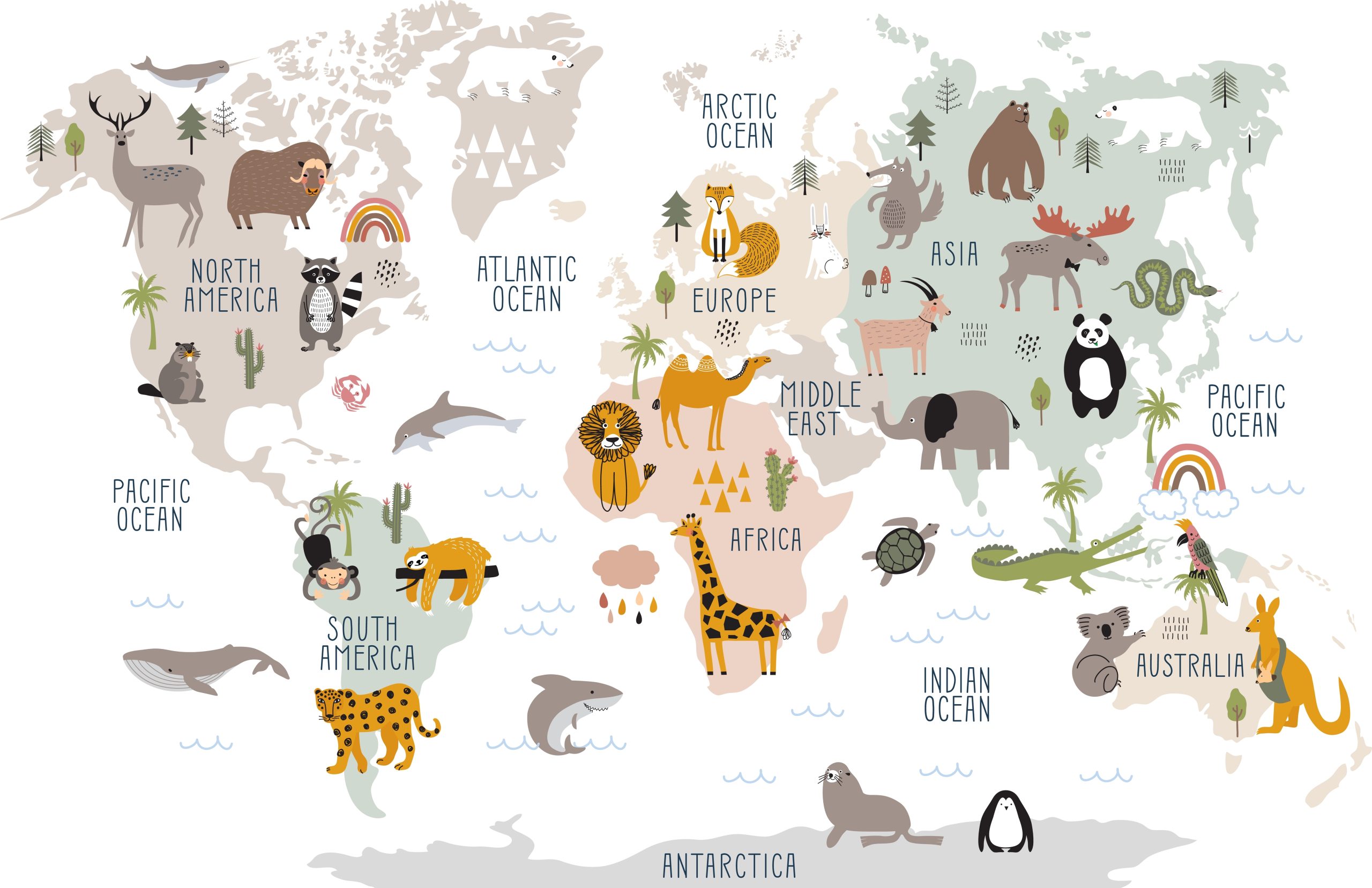
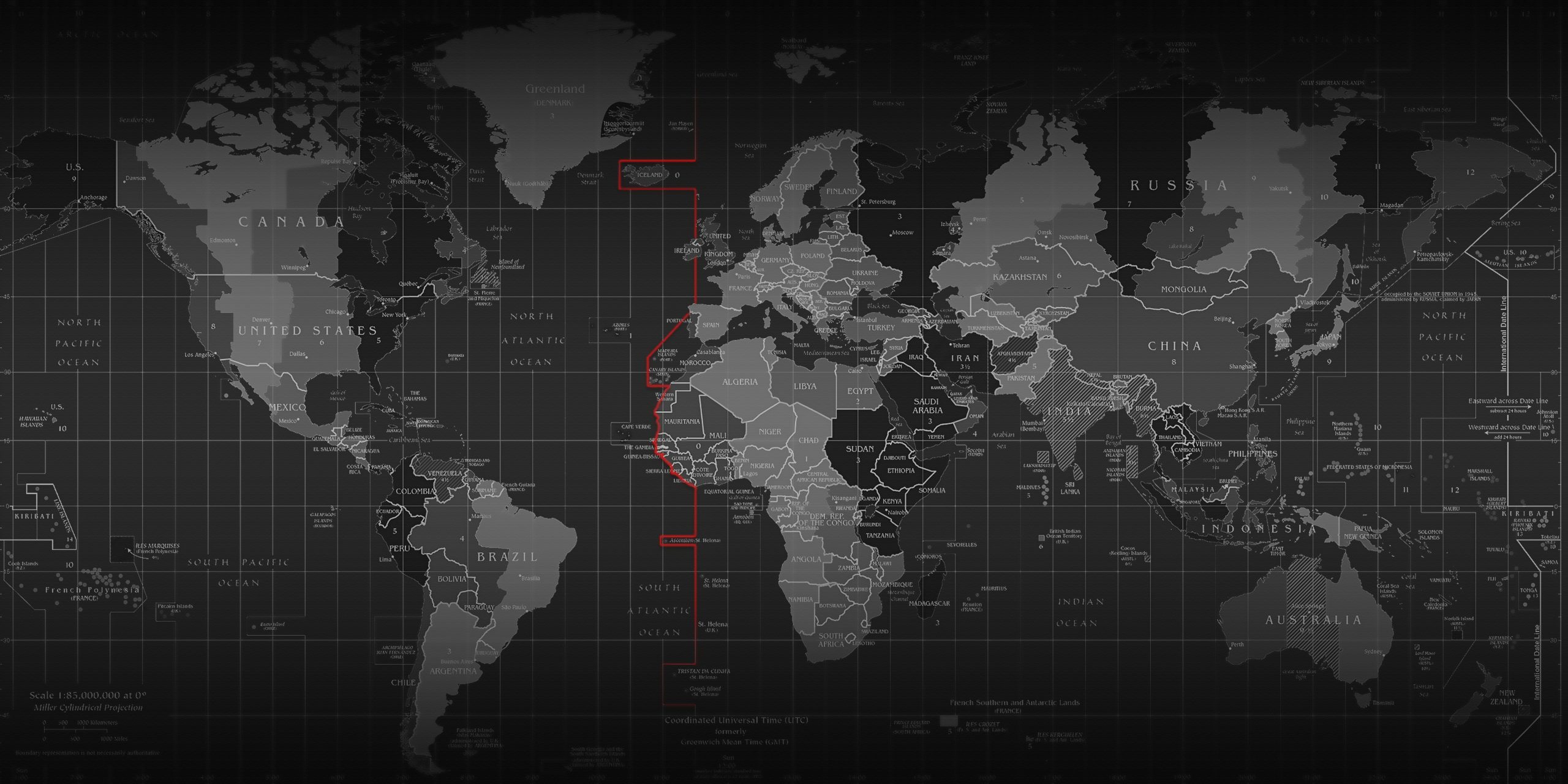
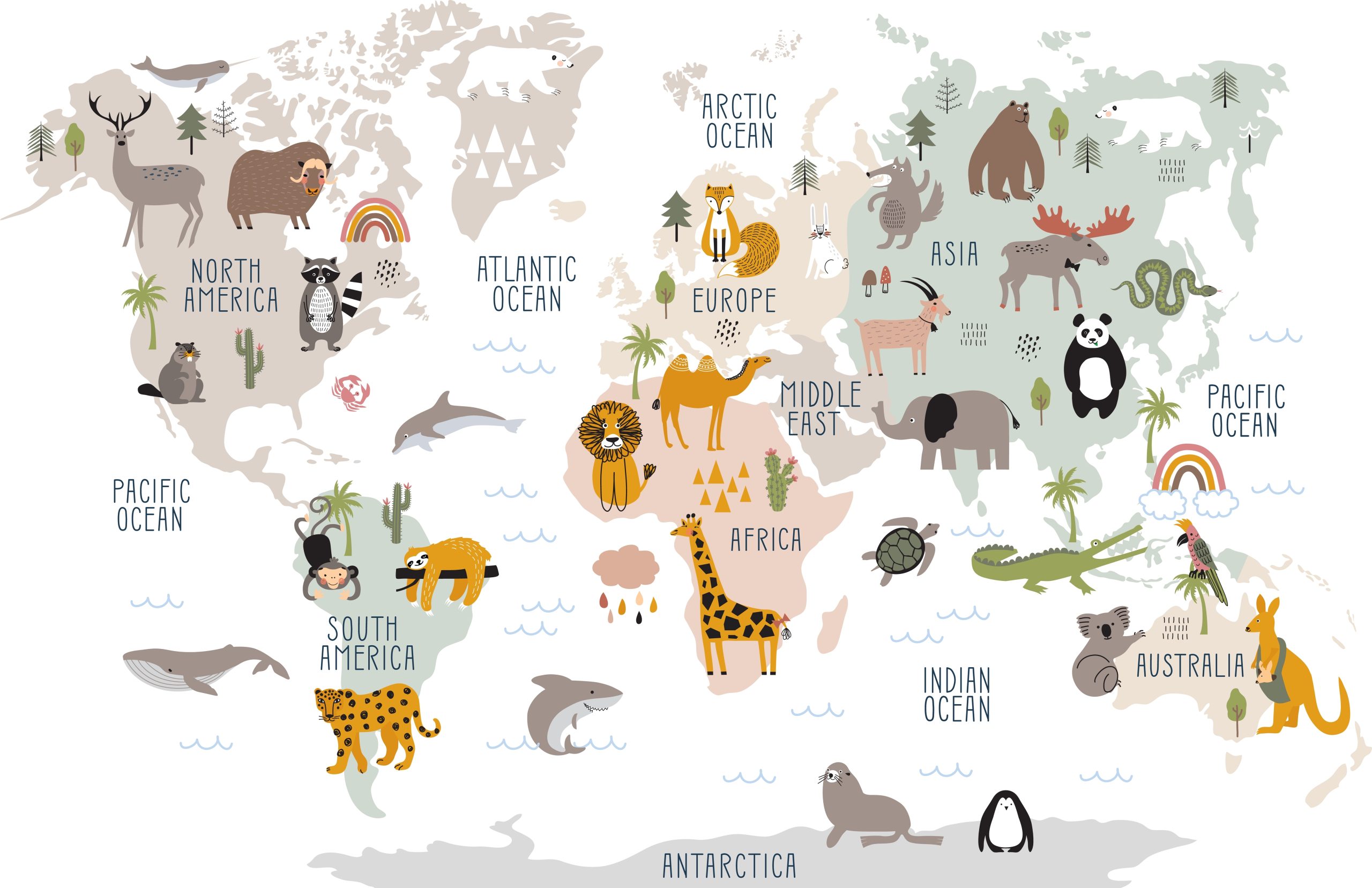


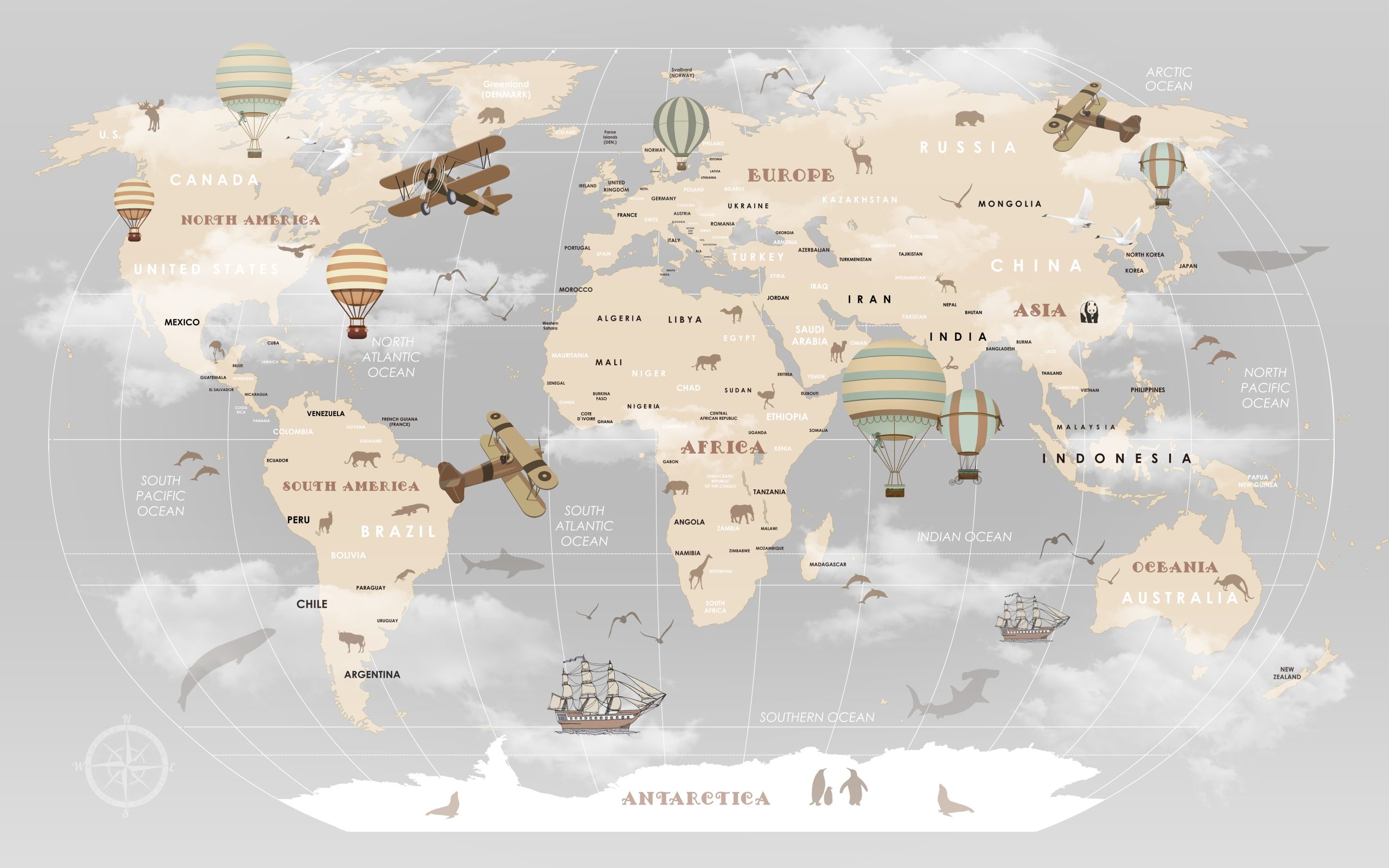
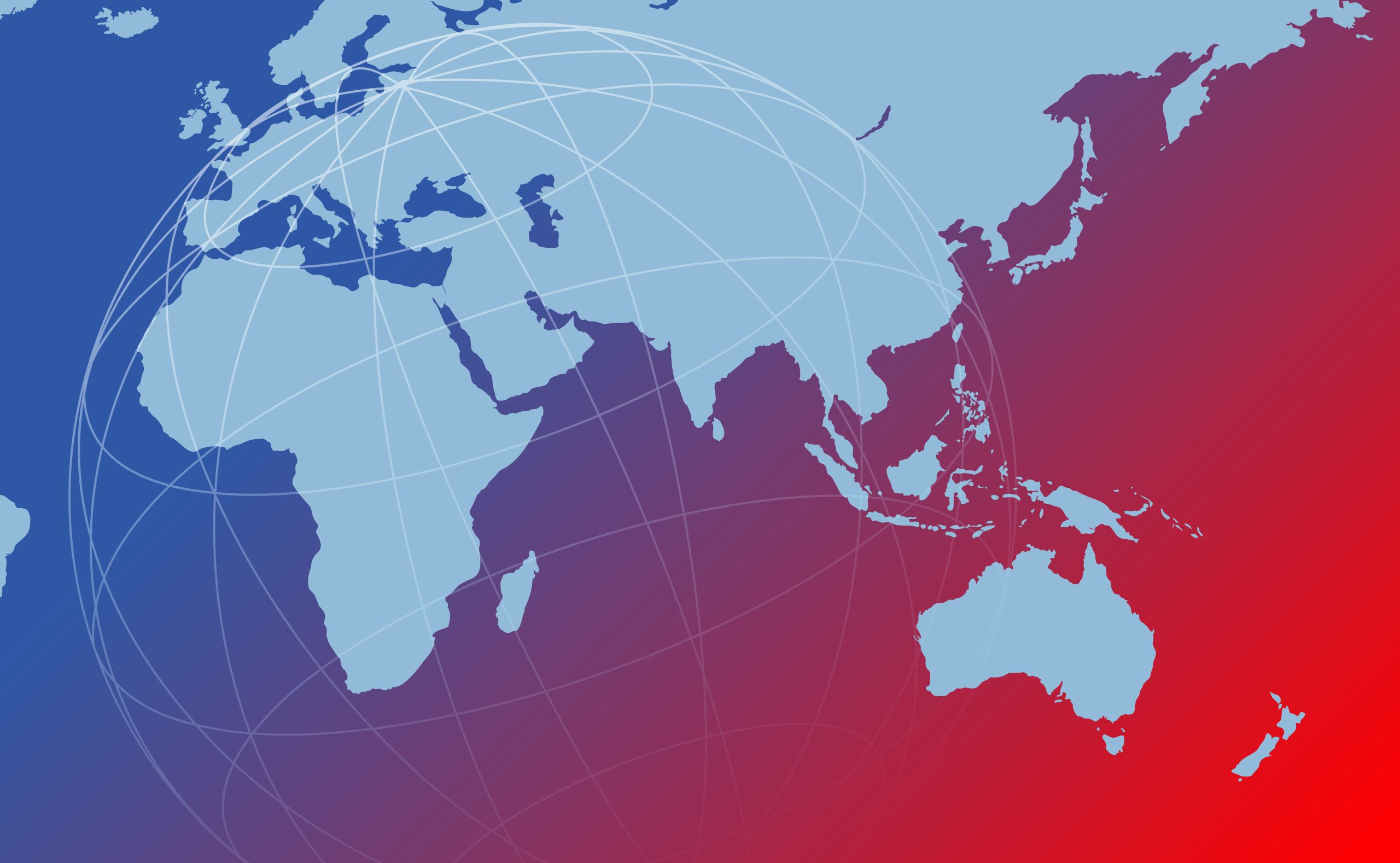
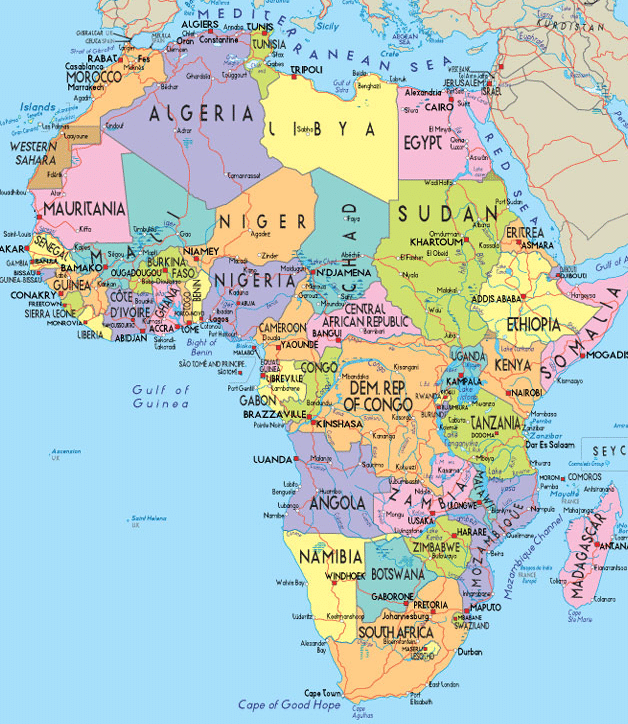
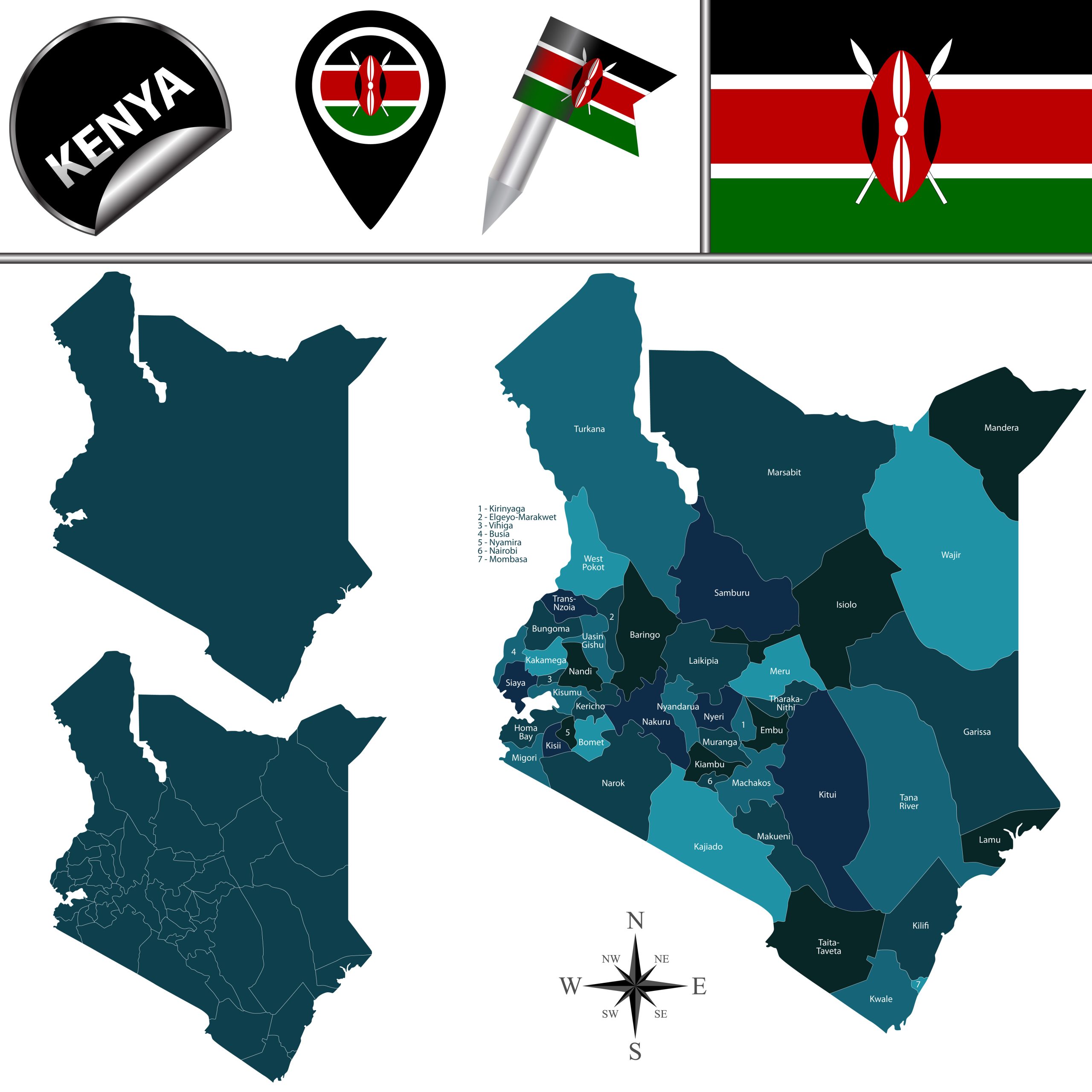
Description
Popular Map Mural Wallpaper Styles & Trends for 2026
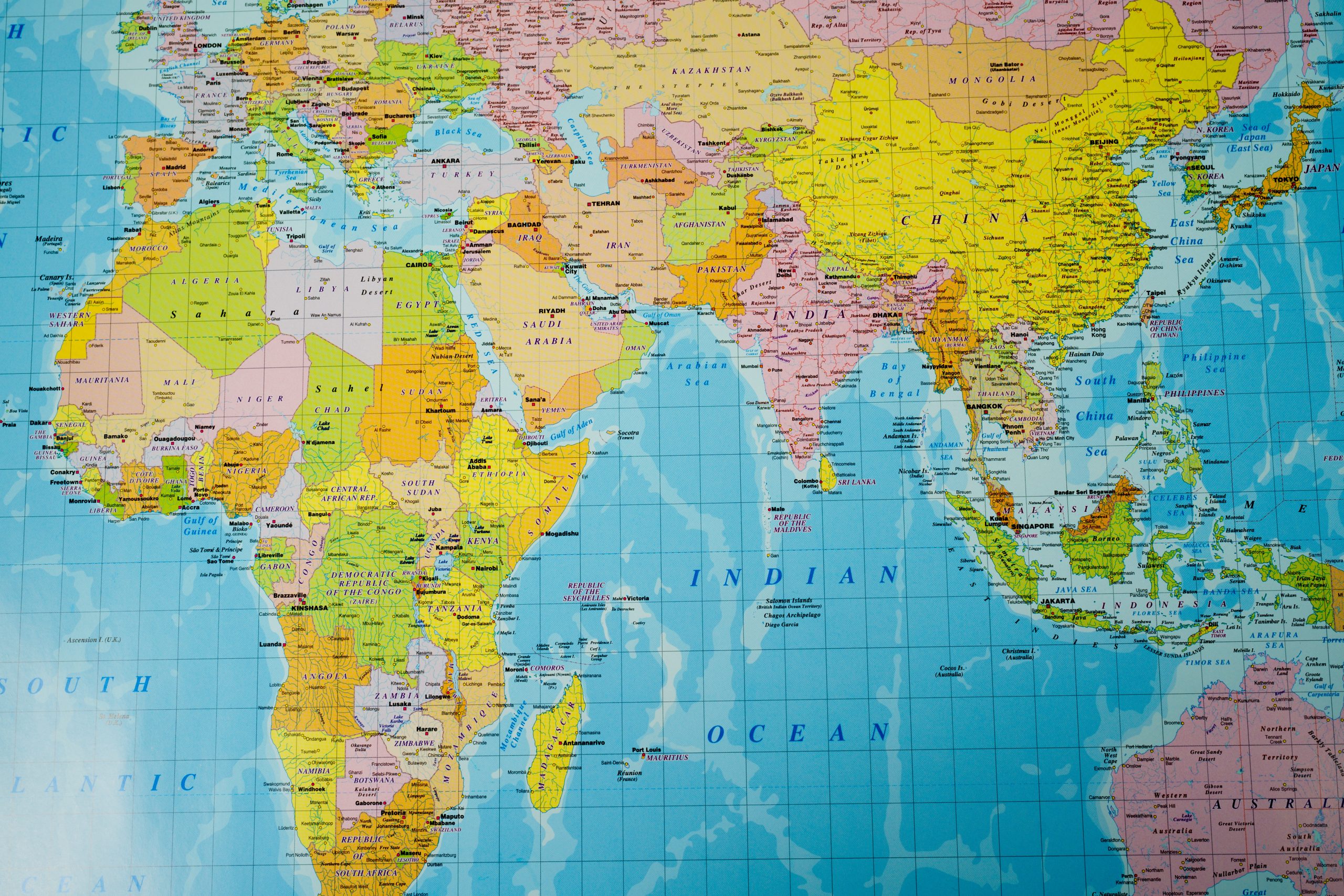
The map mural wallpaper has evolved from simple educational tools into high-end design statements that can anchor the aesthetic of an entire room. In 2026, they are particularly popular for their ability to balance “Quiet Luxury” with a sense of wanderlust and personal storytelling.
Below is an overview of how map mural wallpaper is used in modern interior design, the trending styles, and practical tips for implementation.
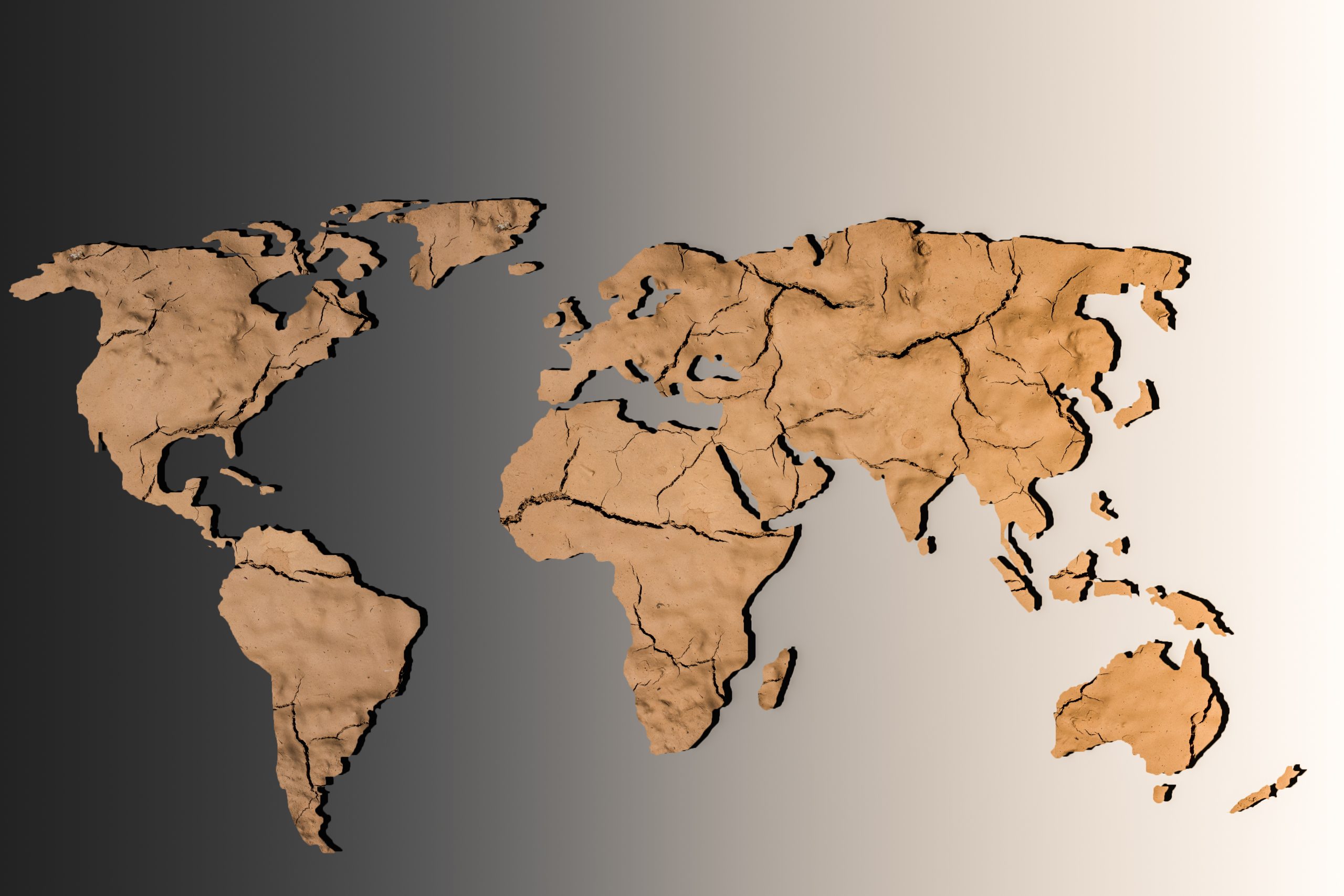
Map murals are no longer limited to the classic blue-and-green schoolroom look. Current trends emphasize texture and artistic interpretation:
Vintage & Antique Cartography
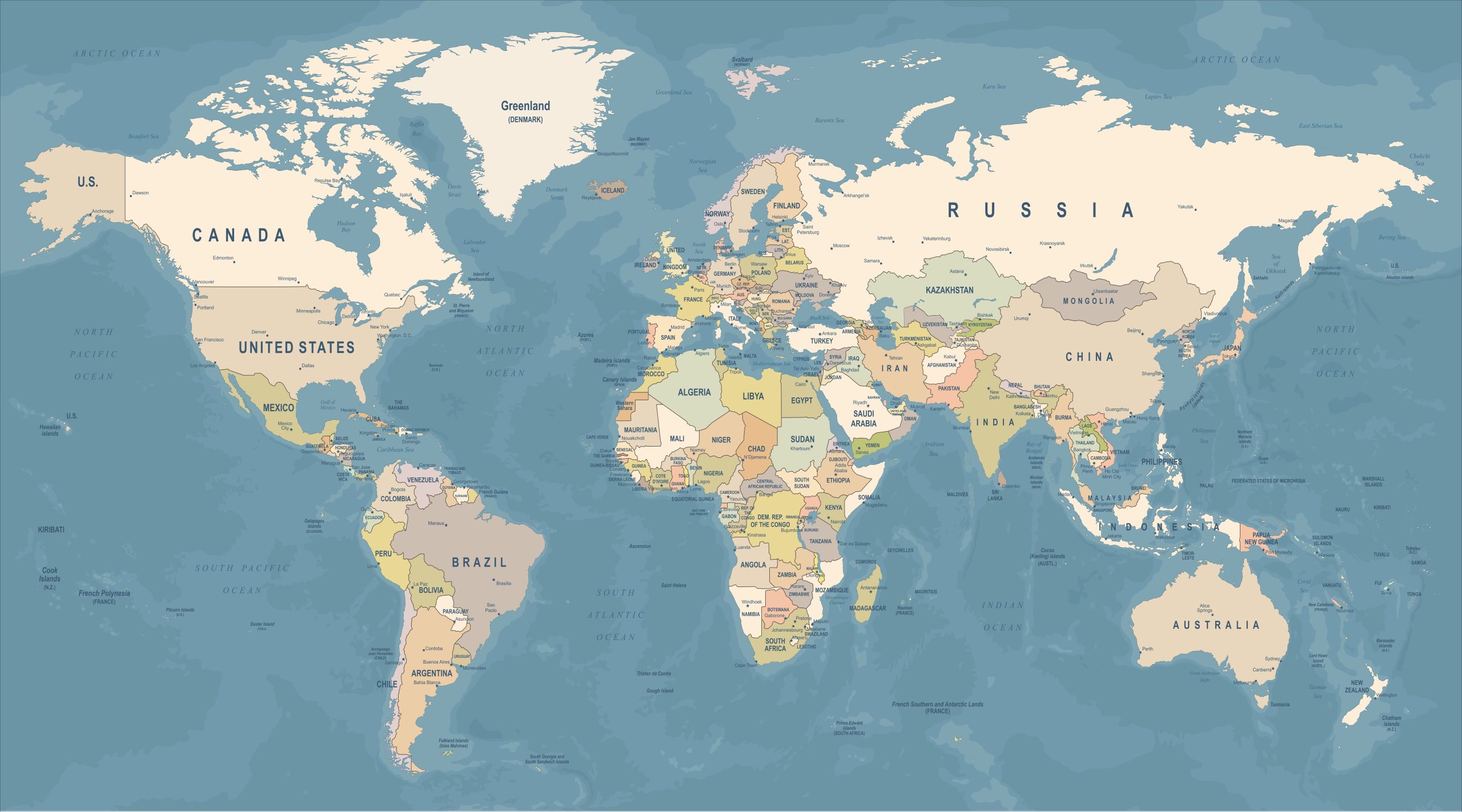
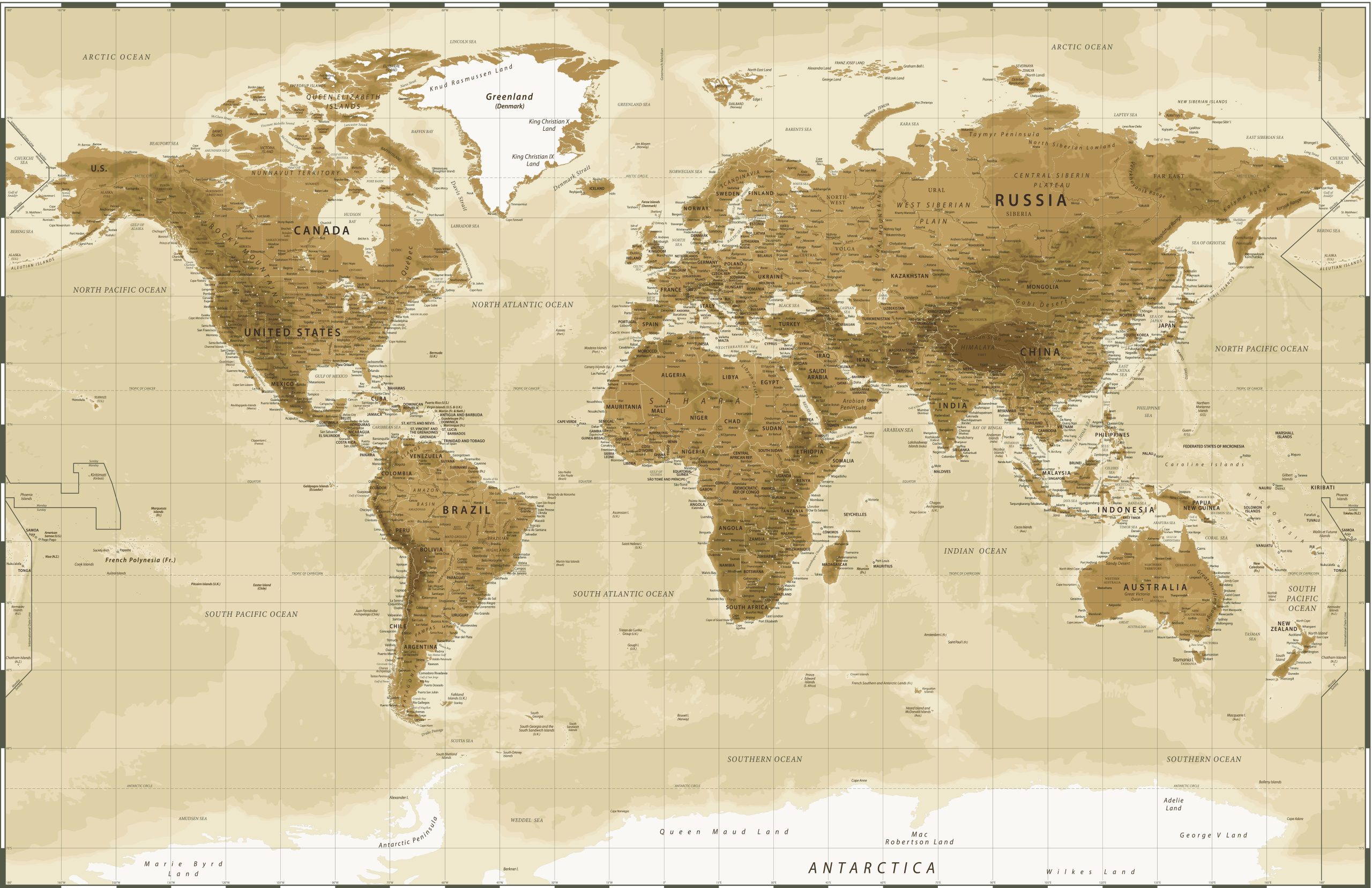
Vintage map murals evoke an era of exploration and classical scholarship. Defined by rich sepia tones, tea-stained parchment textures, and intricate copperplate engravings, these designs bring an “Old World” gravitas to any interior. Beyond simple geography, they often feature historical maritime details like ornate compass roses, mythical sea monsters, and tall ships, transforming a wall into a narrative of discovery. They are the cornerstone of the “gentleman’s library” aesthetic, pairing perfectly with leather armchairs, dark mahogany furniture, and brass accents. This style adds immediate warmth and a sense of timeless heritage to home offices or formal dens.
Minimalist & Line Art Map mural wallpaper
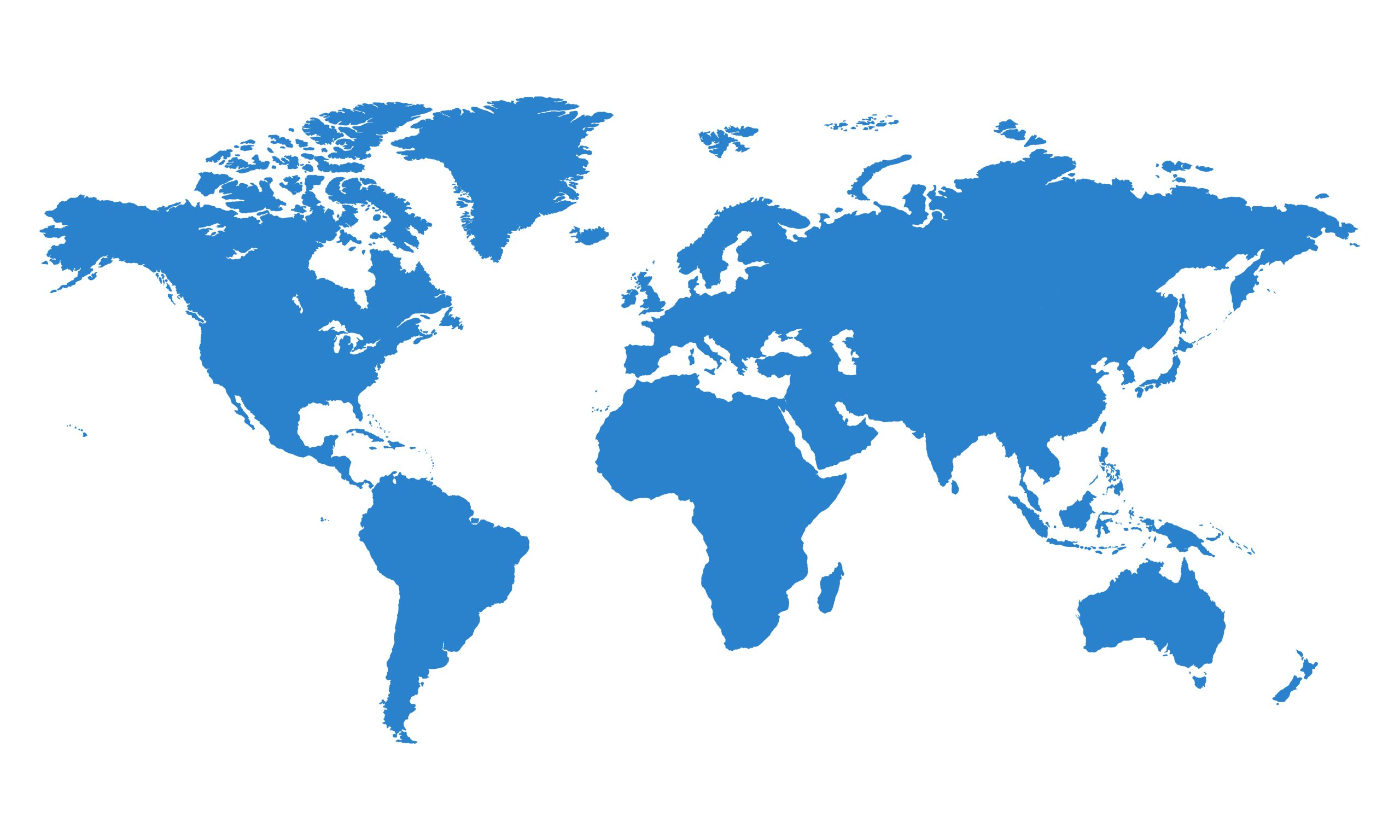
Minimalist map murals prioritize form over data, utilizing clean, high-contrast outlines to define the world. Often rendered in monochromatic palettes—such as stark black on white or elegant gold on charcoal—these designs strip away labels and borders to focus on the raw silhouette of the continents. This “less is more” approach makes them ideal for Scandinavian or modern industrial spaces where visual clutter is avoided. By emphasizing negative space, line art maps provide a sophisticated, architectural feel that complements sleek furniture and open-floor plans without overwhelming the room’s existing design elements or color schemes.
Watercolor & Abstract Map mural wallpaper
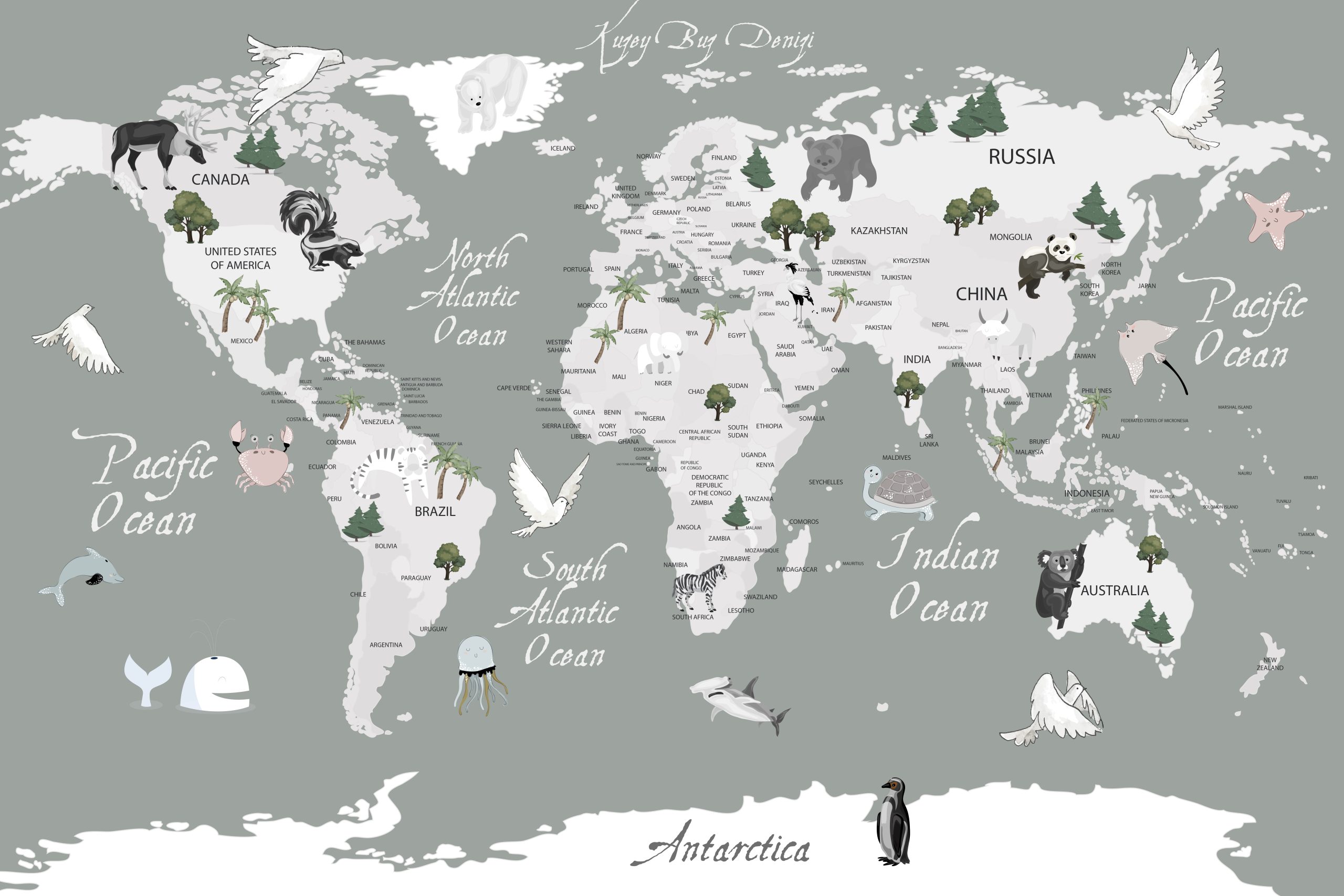
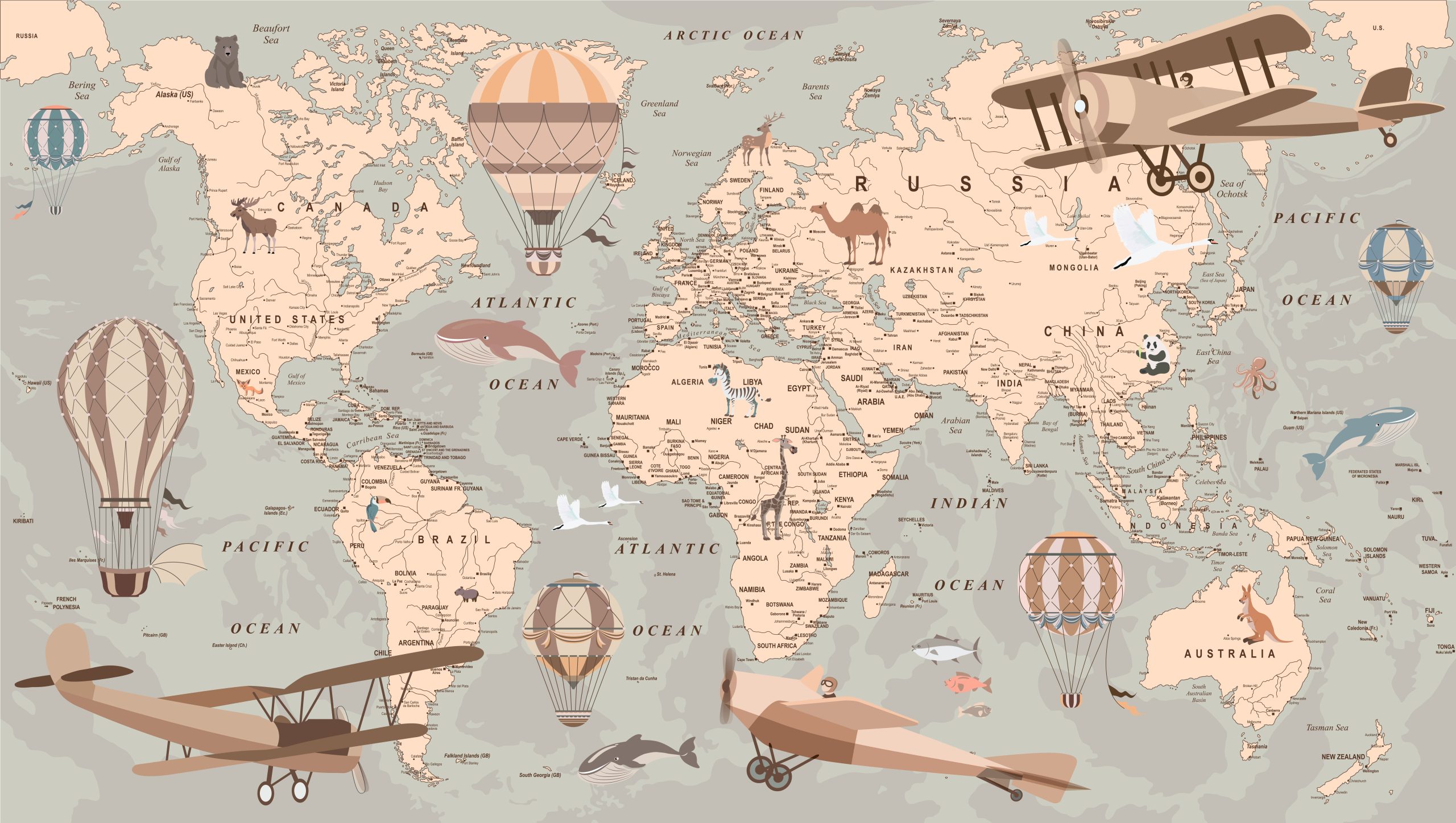
Watercolor map murals trade geographic precision for emotional resonance. These artistic renderings feature countries and continents that bleed into one another through soft, ethereal color washes and fluid brushstrokes. The lack of rigid borders creates a “dreamy” atmosphere, making the world feel like a boundless, unified space rather than a fragmented political grid. Because of their soothing aesthetic and soft transitions, they are exceptionally popular in nurseries, bedrooms, and meditation corners. Whether using pastel palettes or vibrant jewel tones, abstract maps act as a calming focal point that inspires creativity and a sense of peace.
City-Specific Map Murals
City-specific murals offer a deeply personal alternative to global cartography. By focusing on high-detail street grids of iconic metropolises like Paris, London, or New York, these wallpapers celebrate a homeowner’s personal history, heritage, or favorite travel memories. The intricate web of avenues, parks, and waterways creates a complex geometric pattern that is both modern and sentimental. Whether it is a blueprint-style rendering or a vibrant pop-art interpretation, a city map turns a wall into a localized tribute. These murals work beautifully in transitional spaces like hallways or entryways, acting as a sophisticated conversation starter.
Topographic & 3D Effects
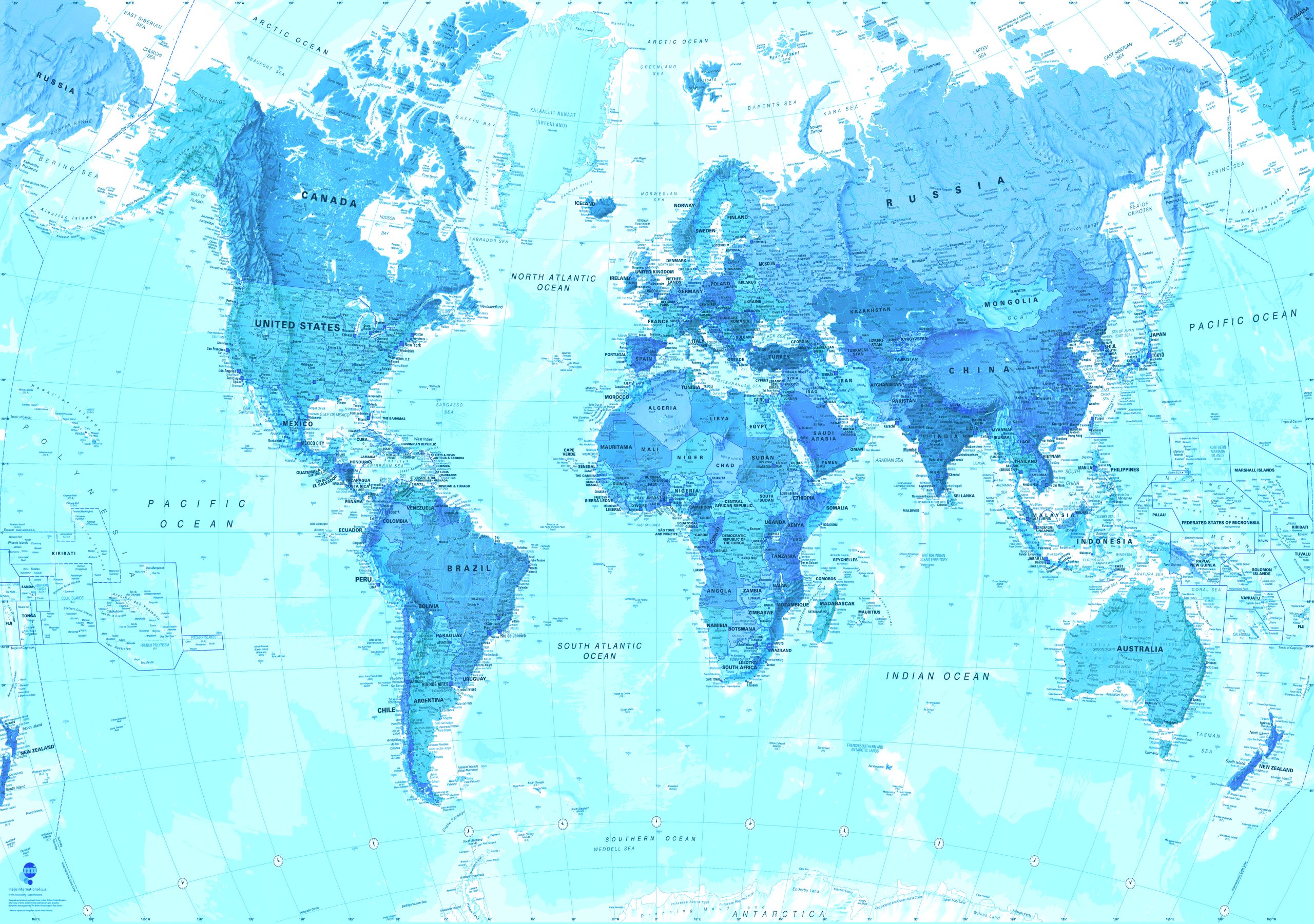
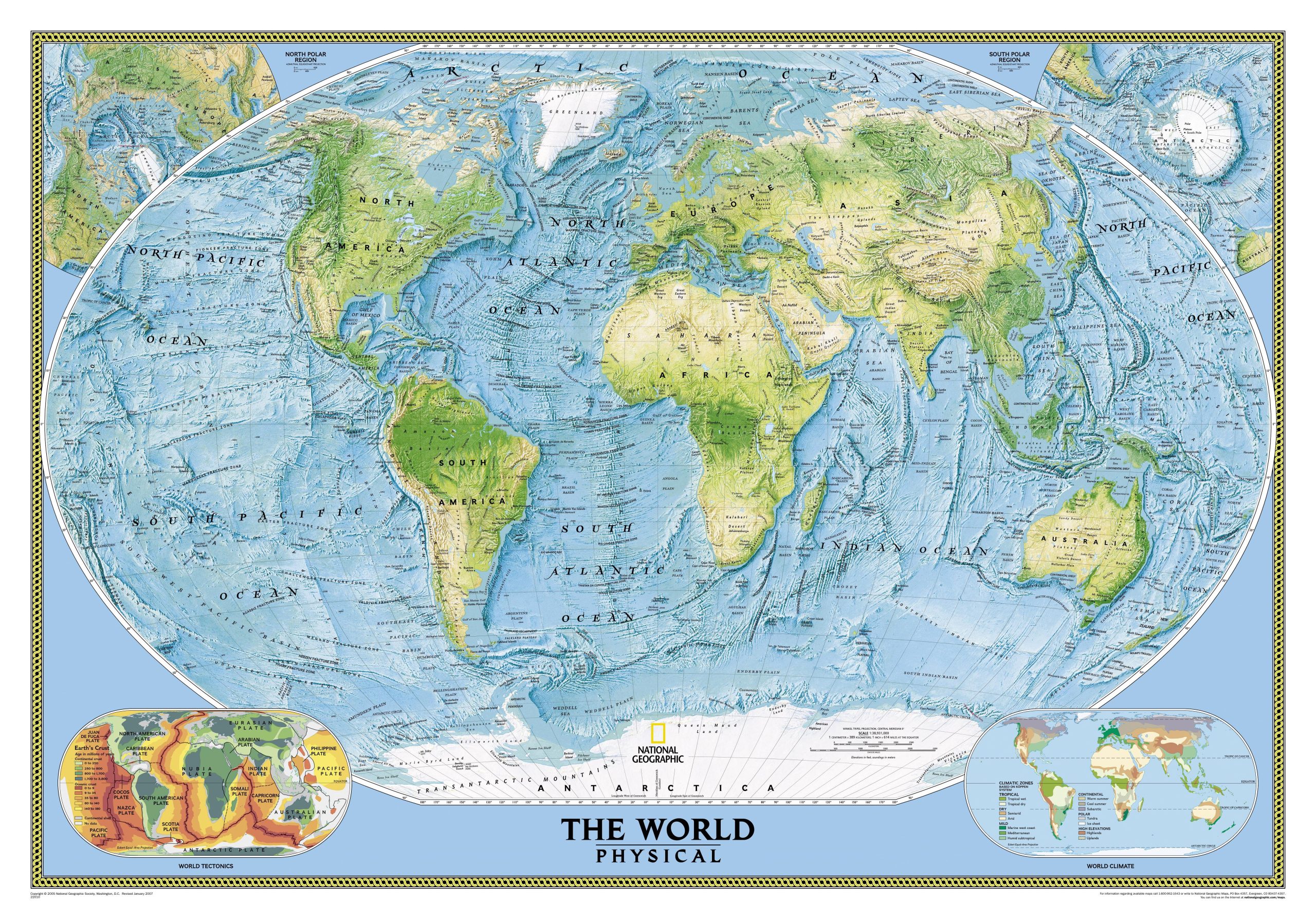
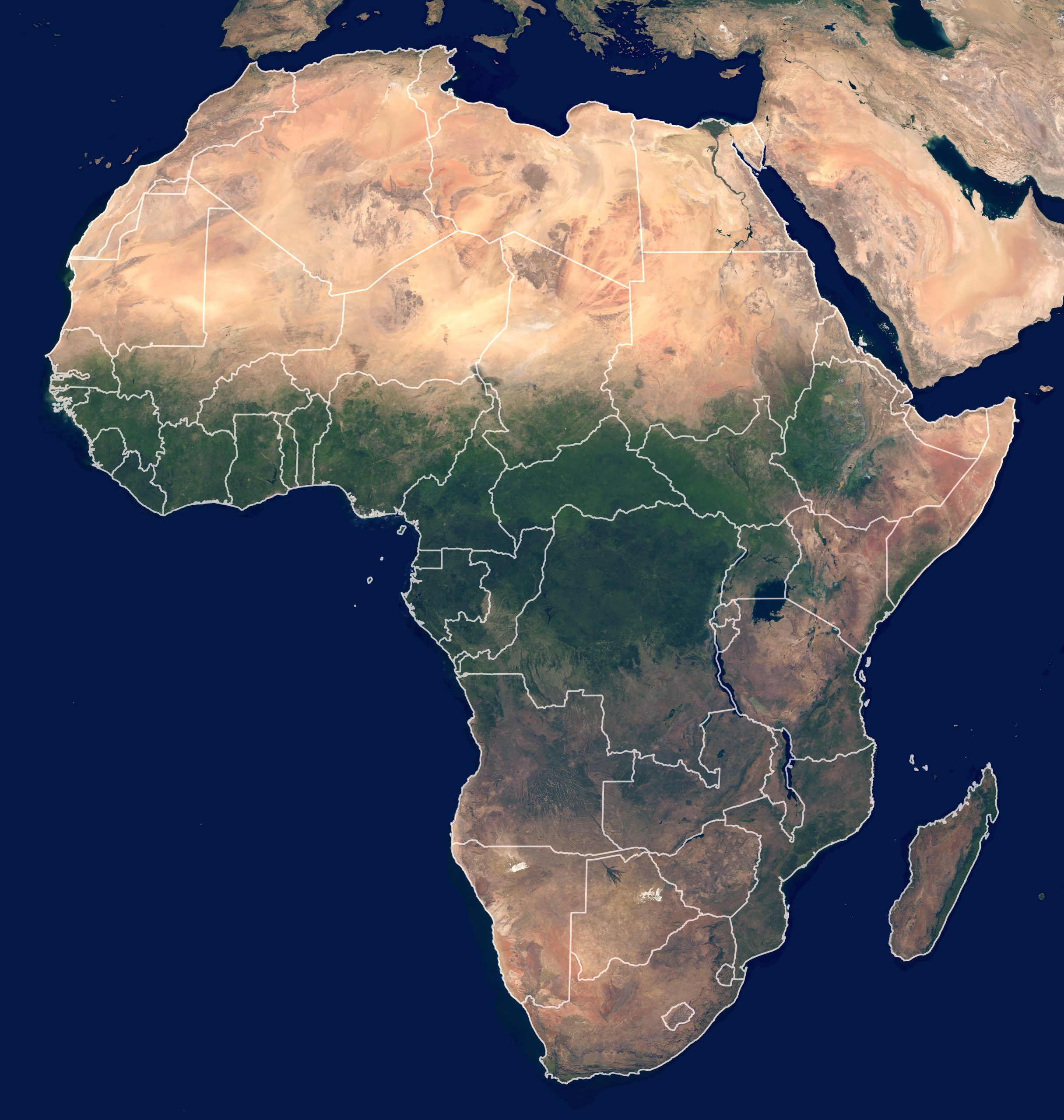
Topographic map murals use sophisticated digital shading and contour lines to simulate physical depth. By mimicking the rise of mountain ranges and the plunging depths of oceanic trenches, these designs add a tactile “weight” to a room’s interior. While the wallpaper remains flat to the touch, the visual 3D effect creates a stunning sense of relief and texture that changes depending on how light hits the wall. This style is perfect for adding a rugged, adventurous energy to a space. It appeals to nature lovers and outdoor enthusiasts, bringing the majestic scale of the earth’s crust indoors.
3. Practical Map Mural Wallpaper Design Tips
The 60-30-10 Rule
In this framework, the map mural serves as your 60% dominant color and texture. Use furniture and flooring to provide the 30% secondary tone, such as matching wood grains to a vintage map’s sepia. Finally, pull a vibrant “pop” from the map for the 10% accent in accessories.
Scaling and Legibility
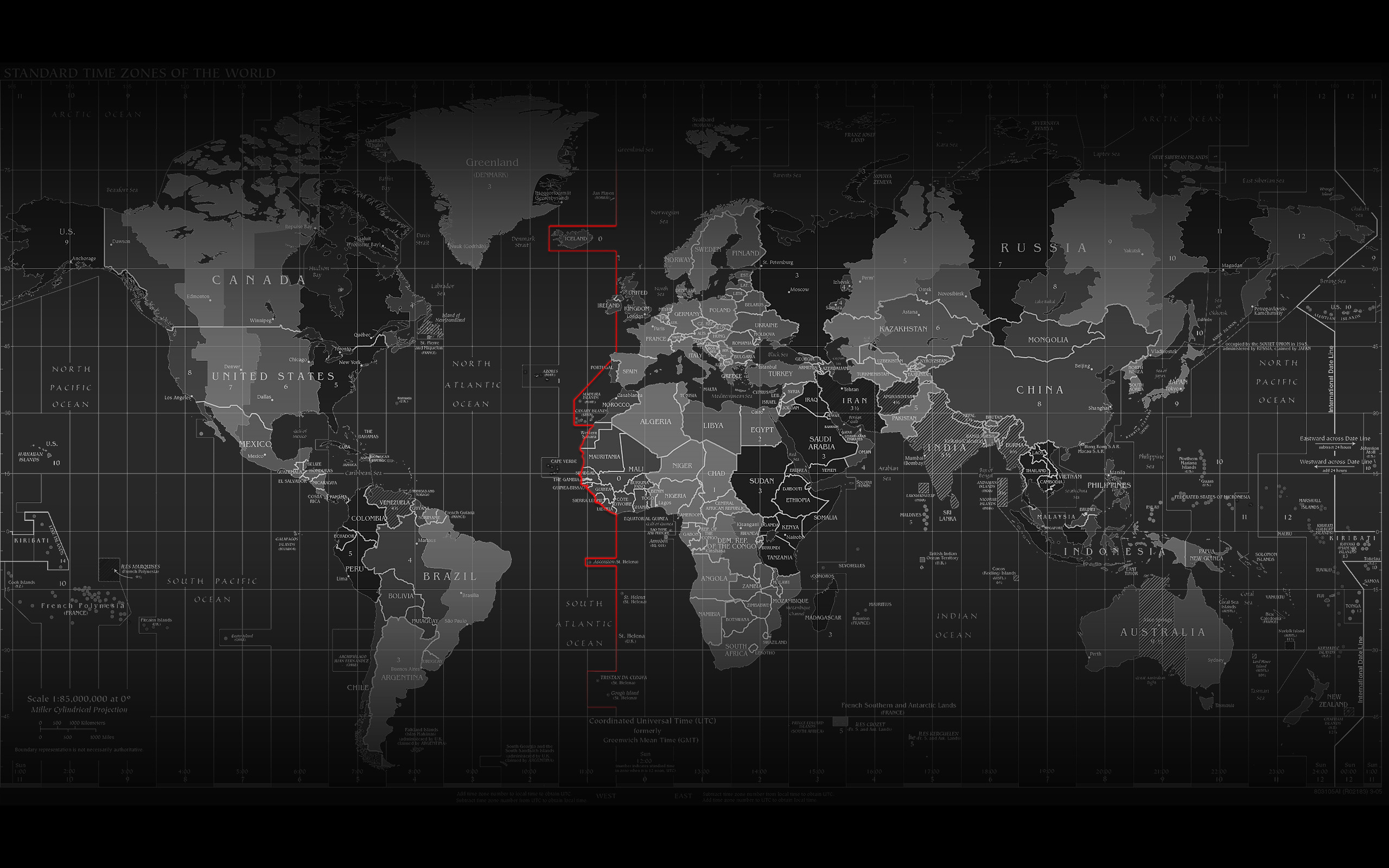
Avoid visual overcrowding in tight spaces by selecting “low-contrast” designs with minimal labeling. For expansive feature walls, scale is critical for functionality: ensure primary text is at least 10–15 mm high. This ensures the cartography remains a legible, interactive tool rather than a blurred pattern when viewed from a distance.
Non-Woven Fabric Material
For a high-end finish, prioritize non-woven fabric over standard vinyl. This breathable material is exceptionally durable and offers a premium matte texture that eliminates harsh glares from windows or lamps. It provides a sophisticated, “painted-on” look that preserves the integrity of the map’s fine lines and subtle color gradients.
The “Furniture Gap”
To maintain the mural’s visual impact, avoid obscuring key geographic features with heavy furniture. Positioning a sofa or desk 6–12 inches below the map’s primary focal points allows the artwork to “breathe.” This intentional gap prevents the room from feeling cramped and ensures the horizon line remains unobstructed.
4. Why Map Murals Work in Modern Decor
Beyond aesthetics, map murals serve several psychological and functional roles:
Visual Expansion
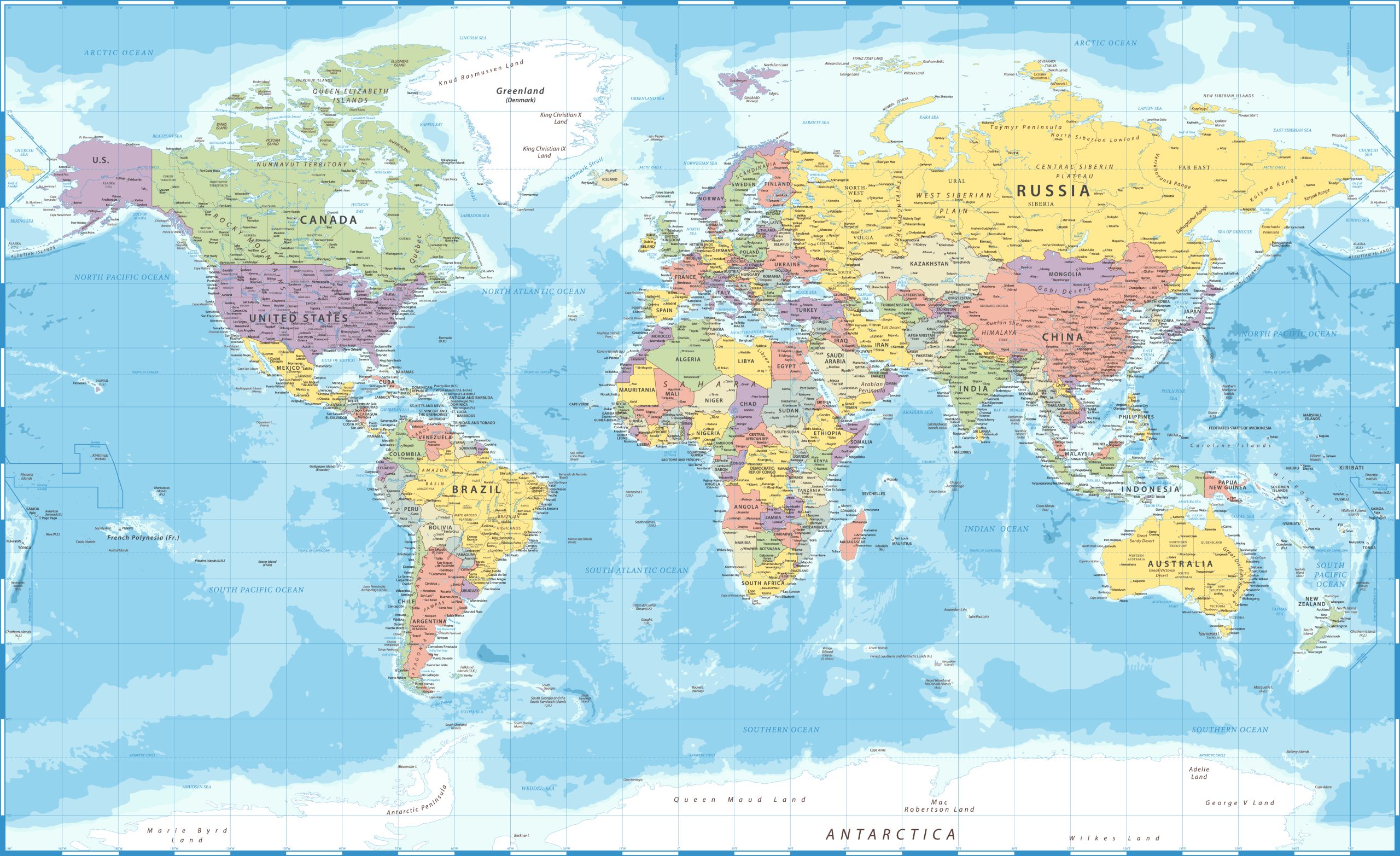
Panoramic world maps serve as a psychological “escape,” effectively pushing the boundaries of a room outward. By depicting a vast, global horizon, these murals trick the eye into perceiving more depth than a solid wall allows. This makes them a powerful tool for opening up cramped offices or small bedrooms.
Personalization
Modern printing allows for deep customization, transforming a standard map into a personal narrative. Homeowners can now highlight specific travel routes, pin-drop significant cities, or adjust color palettes to perfectly align with their upholstery. This bespoke approach ensures the mural is a meaningful reflection of one’s own life and journey.
Acoustic Benefits
Functional design goes beyond sight. High-quality, fabric-based murals are thicker than traditional paper, providing a subtle layer of insulation that helps dampen echoes. In large, open-plan areas with hard flooring, these textile-rich wallcoverings soften sound reflections, contributing to a quieter, more intimate atmosphere without requiring bulky acoustic panels.