




Description
The term music wall mural implies that there are other musical mural forms other than wallpaper. And that is absolutely correct. The term “wallpaper mural” specifically refers to a design that is digitally printed on paper, vinyl, or fabric and then pasted onto a wall.
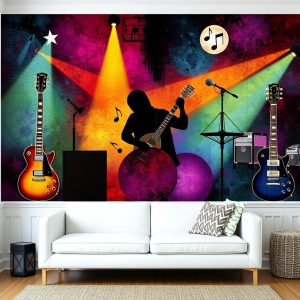
However, a Music Wall Mural in the broader sense encompasses any large-scale artwork on a wall that depicts a musical theme, regardless of the medium or technique used. These “non-wallpaper” options often offer tactile texture, depth, and permanence.

Here is an exposition of the different types of music wall murals beyond printed wallpaper:
Hand-Painted Music wall Mural (Direct-to-Wall)

This is the traditional definition of a mural. An artist physically paints the design directly onto the wall surface.
Technique
Uses acrylics, oil paints, or spray paint (graffiti style).
Street Art/Graffiti
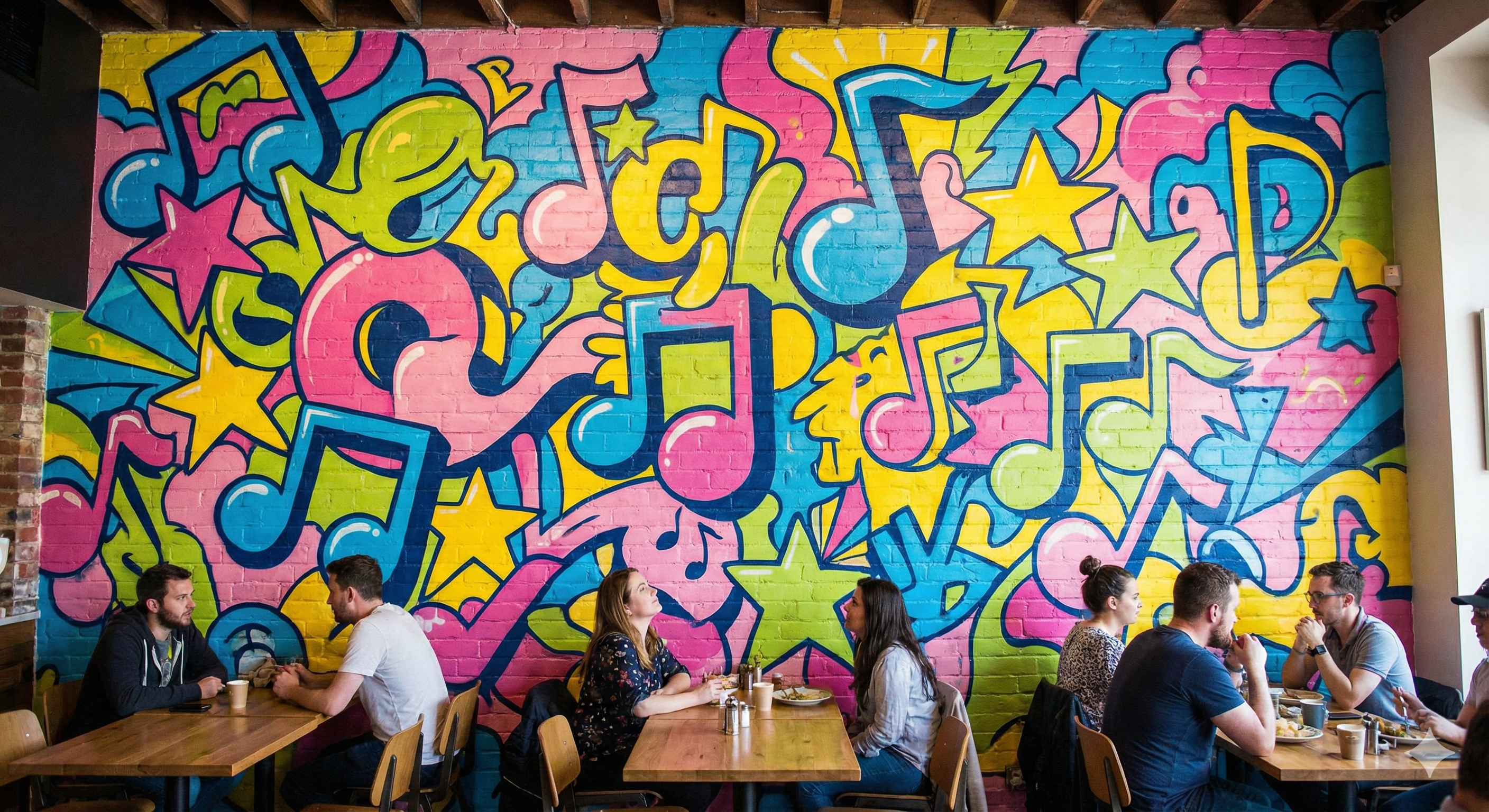
A spray-painted mural of a boombox or a hip-hop artist in an urban setting.
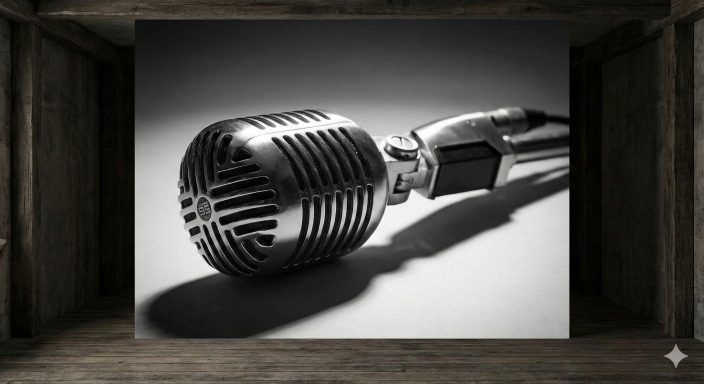
Trompe-l’oeil
A realistic painting that tricks the eye, such as painting a “hole” in the wall that reveals an orchestra playing inside.
Customization
Unlike wallpaper, the artist can adapt the painting around corners, light switches, or architectural flaws in real-time.
3D Sculptural and Relief Music wall Mural
The 3D Sculptural and Relief Music wall murals are not flat. They protrude from the wall, adding physical depth and shadow play.
Technique
Constructed using materials like wood, metal, plaster, or resin.
The Music Connection
Instrument Parts
A collage mural made from real, disassembled instruments (trumpet bells, guitar necks, piano keys) mounted artistically.
Metalwork
Wrought iron shaped into a giant music staff or abstract sound waves welded onto the wall.
Shadow Art
Metal musical notes mounted on pins so they float 2 inches off the wall, creating shifting shadows as the lighting changes throughout the day.
Acoustic Wallpaper Murals (Functional Art)

The acoustic music murals are specifically designed for spaces where music is played or recorded (studios, offices, lounges). They serve a dual purpose: visual art and sound dampening.
Technique
Made from fabric-wrapped acoustic foam, felt, or PET panels.
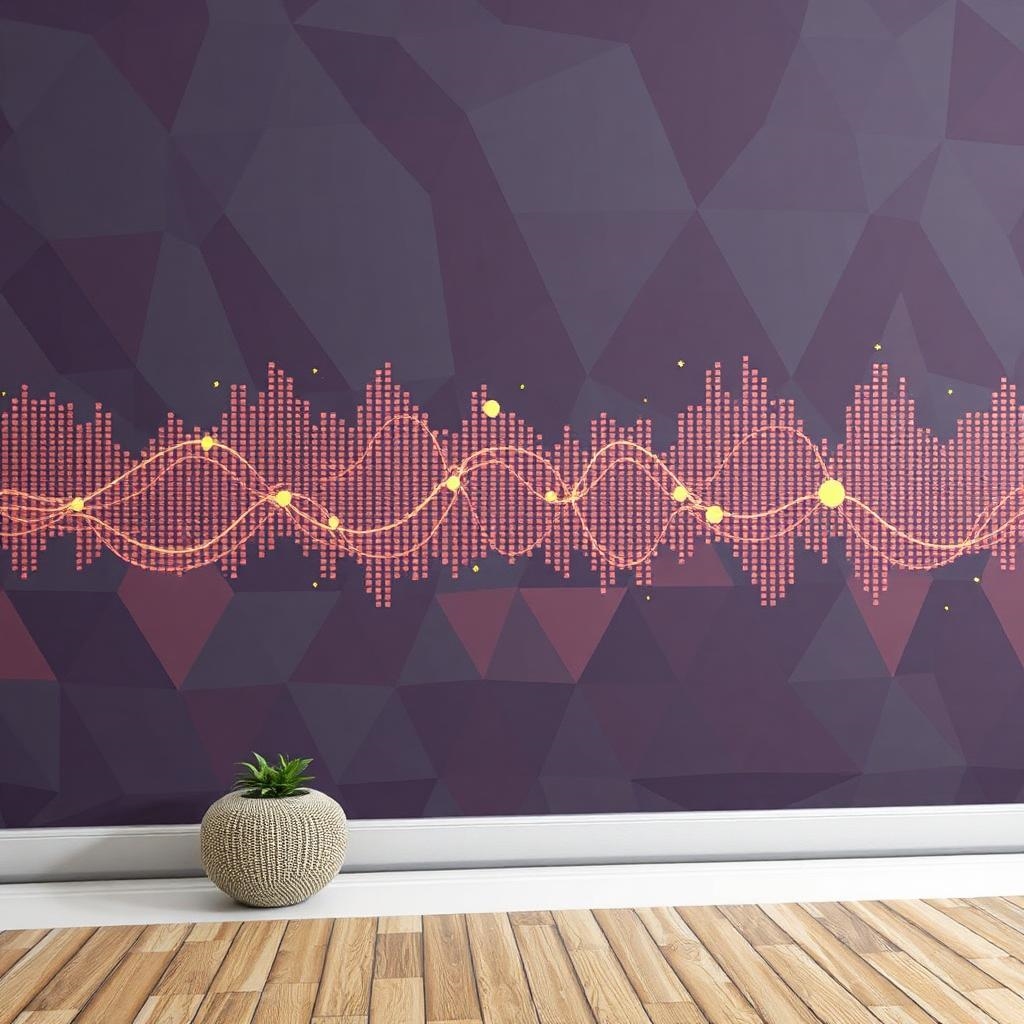
Sound Wave Cuts
Acoustic panels laser-cut into the shape of a specific song’s audio waveform and mounted in a sequence.
Pixelated Sound
Different colored squares of acoustic foam, arranged to form a pixelated image of a musical note or an artist’s face.
Mosaic Music wall Mural
These are created by assembling small pieces of colored material to form an image. They are incredibly durable and waterproof.
Technique:
Uses ceramic tiles, glass, stone, or even recycled vinyl records.
The Music Connection:
Vinyl Mosaic
Smashing old, unplayable vinyl records and using the black shards to create a silhouette of a jazz musician against a white tile background.
Glass Tile
A shimmering, abstract representation of “jazz” using gold and deep blue glass tiles to mimic the mood of the music.
Digital & Projection Murals
The most modern interpretation, where the “mural” is actually light.
Technique
Projectors or LED panels.
The Music Connection:
Audio Reactive
A blank white wall that has colorful visuals projected onto it, which change and move in real-time synchronization with the music playing in the room.
Summary of Differences
| Feature | Wallpaper Mural | Other Murals (Painted/3D/Mosaic) |
| Texture | Flat (smooth or slight grain) | High texture, relief, or tactile |
| Installation | Fast (hours) | Slow (days or weeks) |
| Permanence | Removable/Replaceable | Often Permanent (hard to remove) |
| Function | Visual only | Can be acoustic (sound absorbing) |
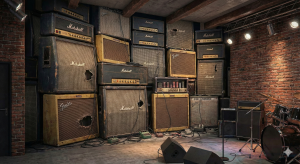
Advantages of Music Wallpaper Murals
Creating a music wallpaper mural from a single continuous piece of silk fabric measuring 3 meters by 20 meters represents the absolute pinnacle of luxury interior design. This is not standard wallpapering; it is a form of textile architecture known as seamless wallcovering.
Here is a detailed exposition of what this entails, the logistical advantages, and the aesthetic impact:
1. The Engineering: “Railroading” for Seamlessness
Standard wallpaper comes in vertical rolls (usually 0.5m or 1m wide), meaning you have a seam every meter.
With a 3-meter width (which covers the standard floor-to-ceiling height) and a 20-meter length, this fabric is installed horizontally (a process called railroading).
You can cover an entire corridor, a massive hotel lobby, or a winding staircase wall without a single vertical seam. The musical score or sound wave flows uninterrupted for 20 meters. This creates a flawless, panoramic visual experience that paper rolls cannot achieve.
2. The Music wall Mural Material: Interaction with Light
Silk is distinct because of its triangular prism-like fiber structure, which refracts light at different angles.
Lustrous Depth
Unlike vinyl, which sits flat, silk has a natural sheen (chatoyancy). If you print a metallic gold musical staff or silver notes on this silk, the mural will shimmer as you walk past it.
Color Vibrancy
Silk holds dye with exceptional richness. A deep royal blue background for a jazz-themed mural will appear velvety and multidimensional, rather than flat.
Given the scale (210 square meters of fabric), this mural serves a functional purpose.
Sound Absorption
Silk, especially if installed over padding, absorbs high-frequency noise. In a long hallway or a large office where this mural would be placed, it prevents the “echo chamber” effect, making the space quieter and clearer for conversation in a musically themed environment.
3. Music wall Mural Design Considerations for this Scale
Designing a graphic for a long, say 20-meter, canvas requires a specific approach:
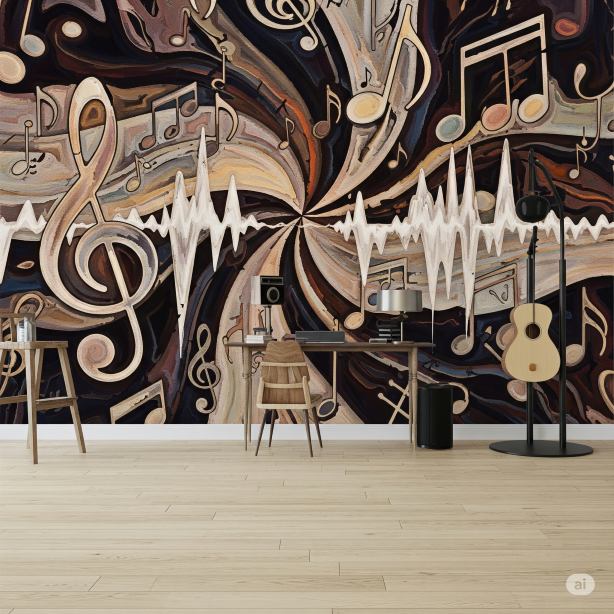
The “Continuous Line”
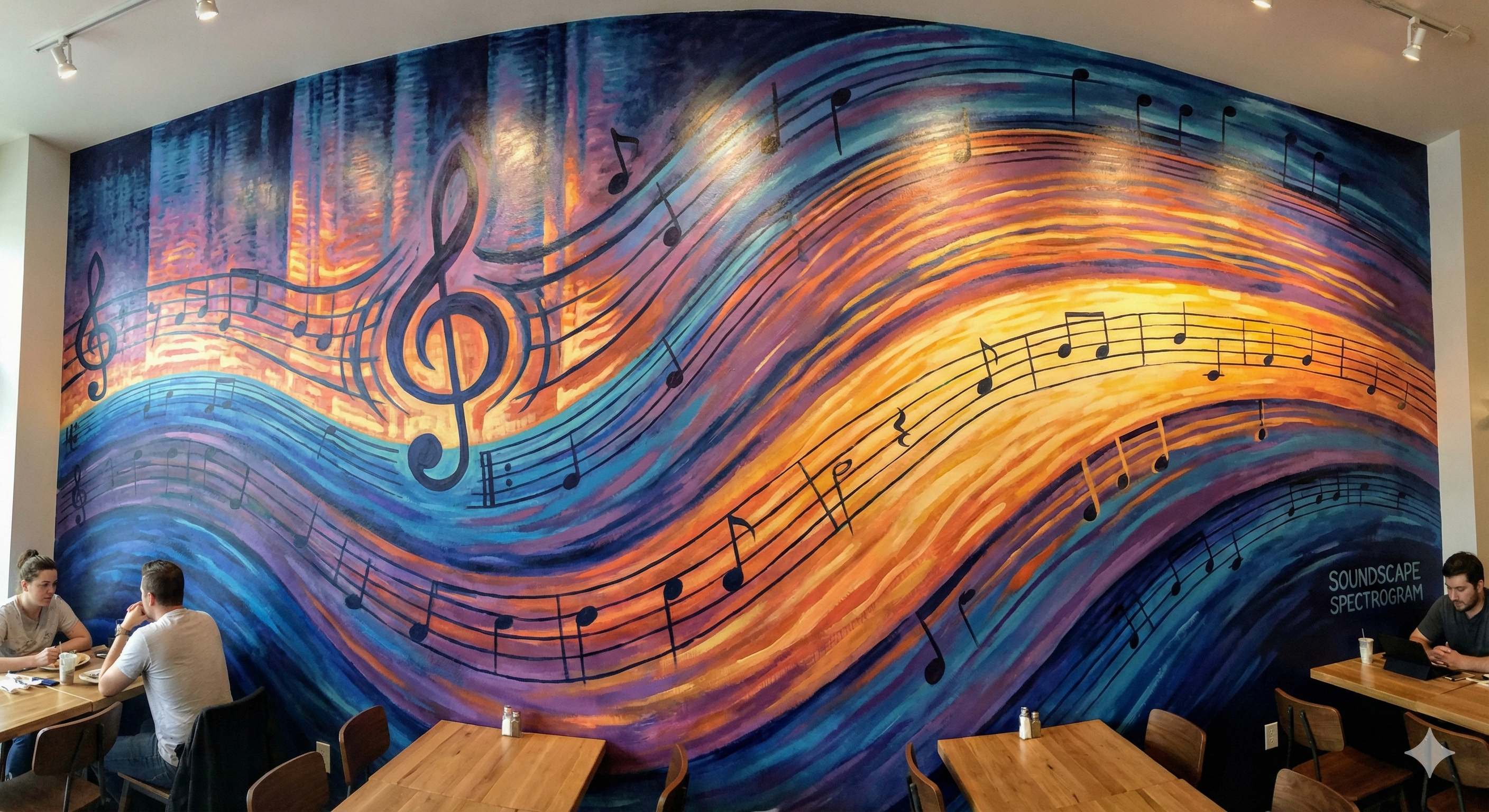
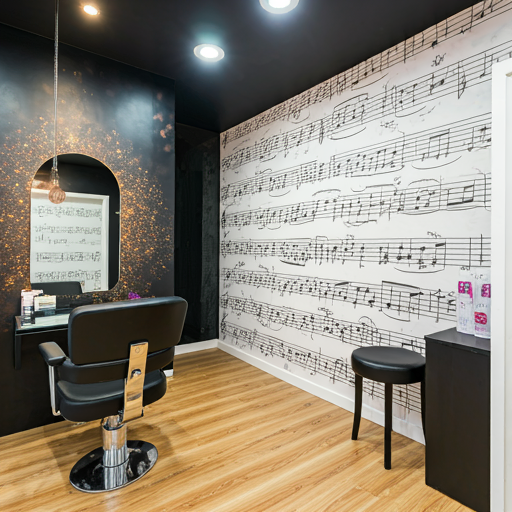
A musical staff is the perfect motif for this aspect ratio. You could depict an entire symphony from start to finish, reading left to right as you walk down a 20-meter corridor.
Gradual Transition
You could use the length to create a gradient. The mural could start as classical sheet music at meter 1, morph into jazz notation at meter 10, and evolve into a digital audio spectrum by meter 20, representing the music history.
Classification of music wall murals

Thematic classification organizes music murals based on the subject matter, mood, and narrative they convey, rather than just the technical symbols (notation). This approach helps align the artwork with the psychological function of the room.
Here are the primary thematic classifications of music wall murals:
1. Instrumental Macrophotography
Musical instrument macrophotography focuses on the physical beauty of musical instruments, often using extreme close-ups (macro shots) to turn mechanical parts into abstract landscapes.
Popular Musical Instrument Wall Murals
| Piano | Flute | Veena | Drums |
| Mridangam | Violin | Guitar | Triangle |
| Trumpet | Saxophone | Mouth organ | Cello |
| Xylophone | Clap box | Electric guitar | Bass guitar |
| Bugle | Harp | Harmonium | Oboe |
| Maracas | Cymbal | Accordion | Bongo drums |
| Bell | French horn | Banjo | Conga drums |
| Keyboard | Gong | Pipe organ | Comet |
| Tambourine | Trombone | Ukulele | Electronic drums |
| Drum pad | Clarinet | Harmonica | Tuba |
| Bass drum | Snare drum | Euphonium | Piccolo |
| Lute | Marimba | Bassoon | Cornet |
| Celesta | Spinet | Oud | Yueqin |
| Dholak | Tabla | Damru | Sarangi |
| Sitar | Gu-zheng | Ektara | Shehnai |
| Sarod | Pungi | Gramophone | Tubular chimes |
Different Types of Musical Instruments Wallpaper
Visuals
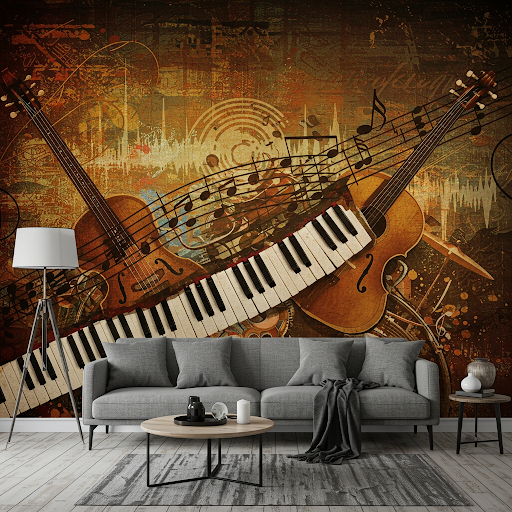
Instrumental Macrophotography transforms functional tools into mesmerizing abstract art. By magnifying the details, the viewer is invited to explore textures normally unseen by the naked eye.
The glistening golden curve of a saxophone becomes a rolling metallic landscape, catching light in liquid pools. The intricate wood grain of a violin reveals a topographical map of organic history, warm and varnished.
Even the familiar piano keys, when zoomed in, become a stark architectural study in high-contrast geometry—a massive expanse of ebony and ivory. These murals celebrate the instrument’s craftsmanship, turning patina, valves, and strings into a sophisticated visual symphony of light and texture.
Atmosphere
Elegant, tactile, and appreciative of craftsmanship.
Ideal Location
Practice rooms, instrument repair shops, or sophisticated lounges.
2. Music Genre-Specific Atmosphere Wallpaper
These murals capture the “vibe” of a specific musical genre. They rely on cultural associations and color palettes associated with that style.
Jazz & Blues Mural
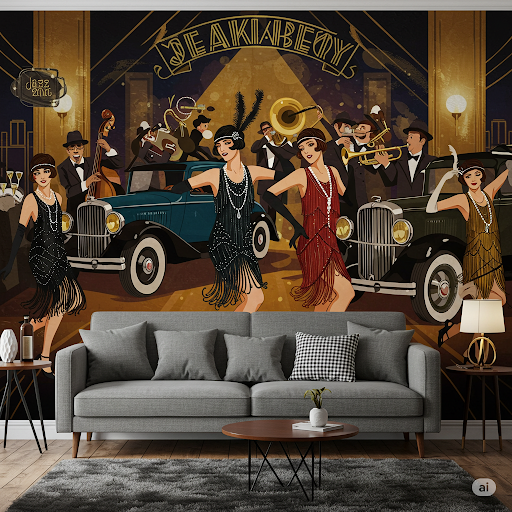
This Jazz & Blues mural style creates a mood of “cool” sophistication and soulful introspection. The imagery often relies on high-contrast silhouettes—a lone saxophonist leaning back, or the curve of a double bass—set against a backdrop of deep, smoky indigos, midnight purples, and charcoal grays.
It channels the energy of a dimly lit basement club in New Orleans or Chicago. To add depth, the design might layer elements like street lamps, cobblestones, or cigarette smoke swirling into musical clefs. The aesthetic is smooth, improvisational, and timeless, making the room feel intimate and relaxed.
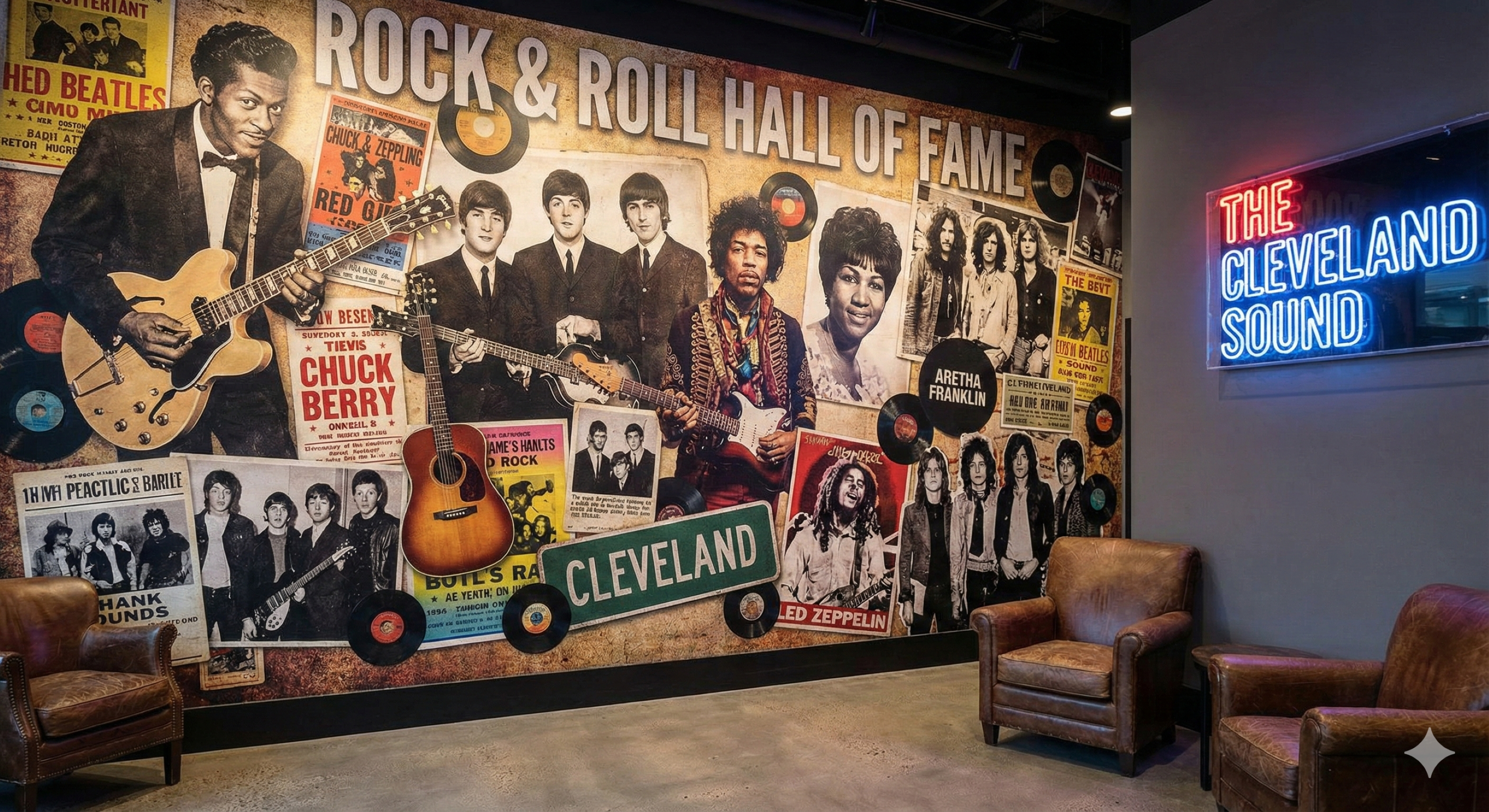
Rock & Punk Music

The Rock & Punk mural theme is defined by rebellion, high energy, and raw volume. The visual language uses “loud” colors—aggressive fire engine reds, stark blacks, and electric whites. The imagery favors the gritty and the distressed: think torn concert posters, spray-painted stencils, smashed guitars, and walls that look like exposed brick or concrete. It captures the chaotic, DIY ethos of the garage band era. Textures of splattered paint or grunge overlays prevent the mural from looking too “clean,” ensuring the space feels edgy, youthful, and ready for high-decibel activity.
Classical Music
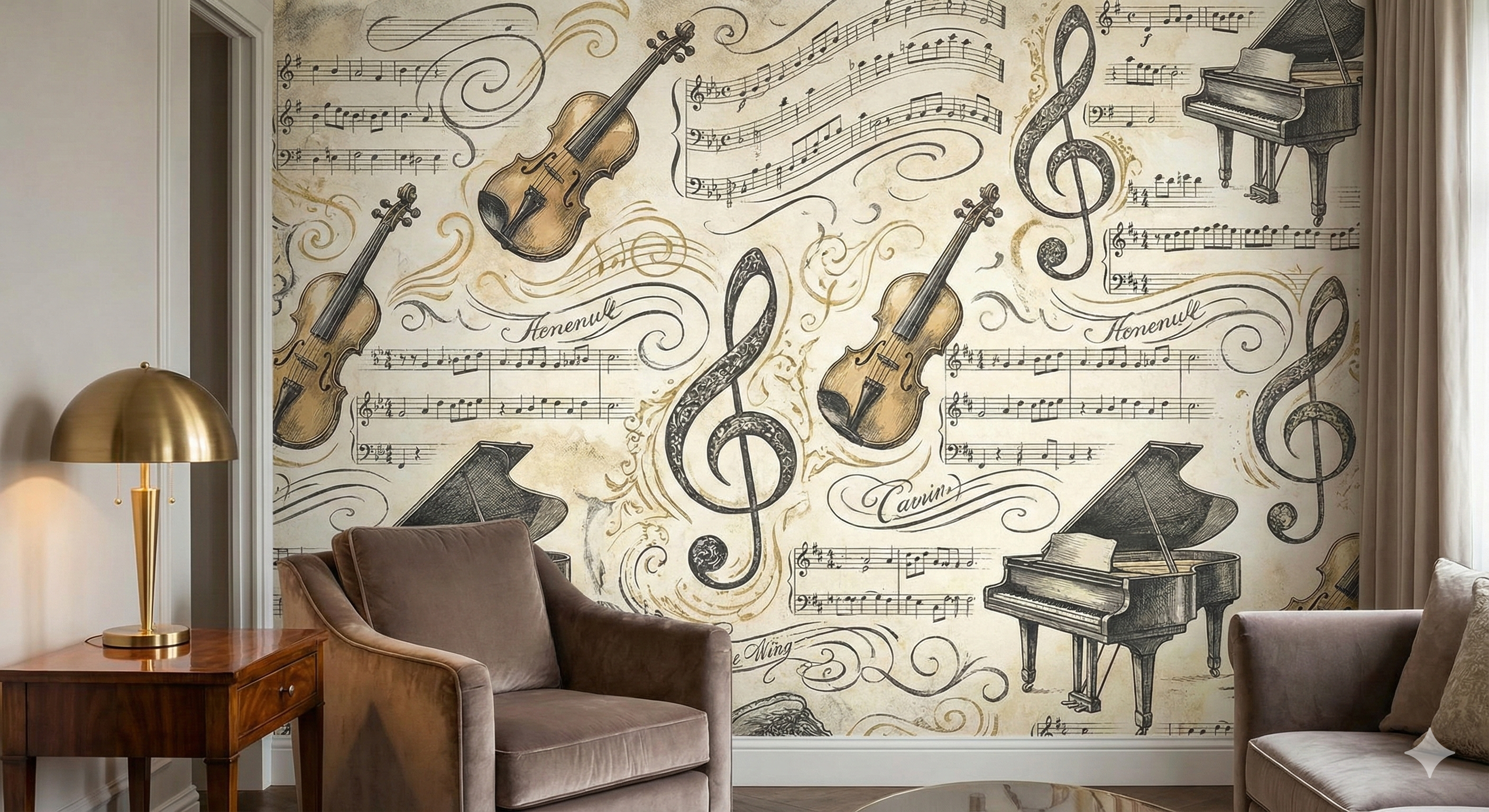
Representing the pinnacle of order and tradition, Classical music murals utilize a refined, intellectual aesthetic. The imagery often features the grand sweep of a symphony orchestra seating chart, the delicate hands of a conductor holding a baton, or the architectural grandeur of 18th-century opera houses. The color palette is intentionally restrained, favoring sepia tones, warm creams, and antique golds to evoke history and permanence. It avoids chaos, instead focusing on harmony and structure. This style transforms a room into a sanctuary of culture, suggesting a space for serious study, appreciation, and composure.
3. Visual Sound (Synesthesia) Music Mural
This theme attempts to visualize what sound looks like, moving away from literal instruments or notes. It is often scientific or digital in nature.
Visuals
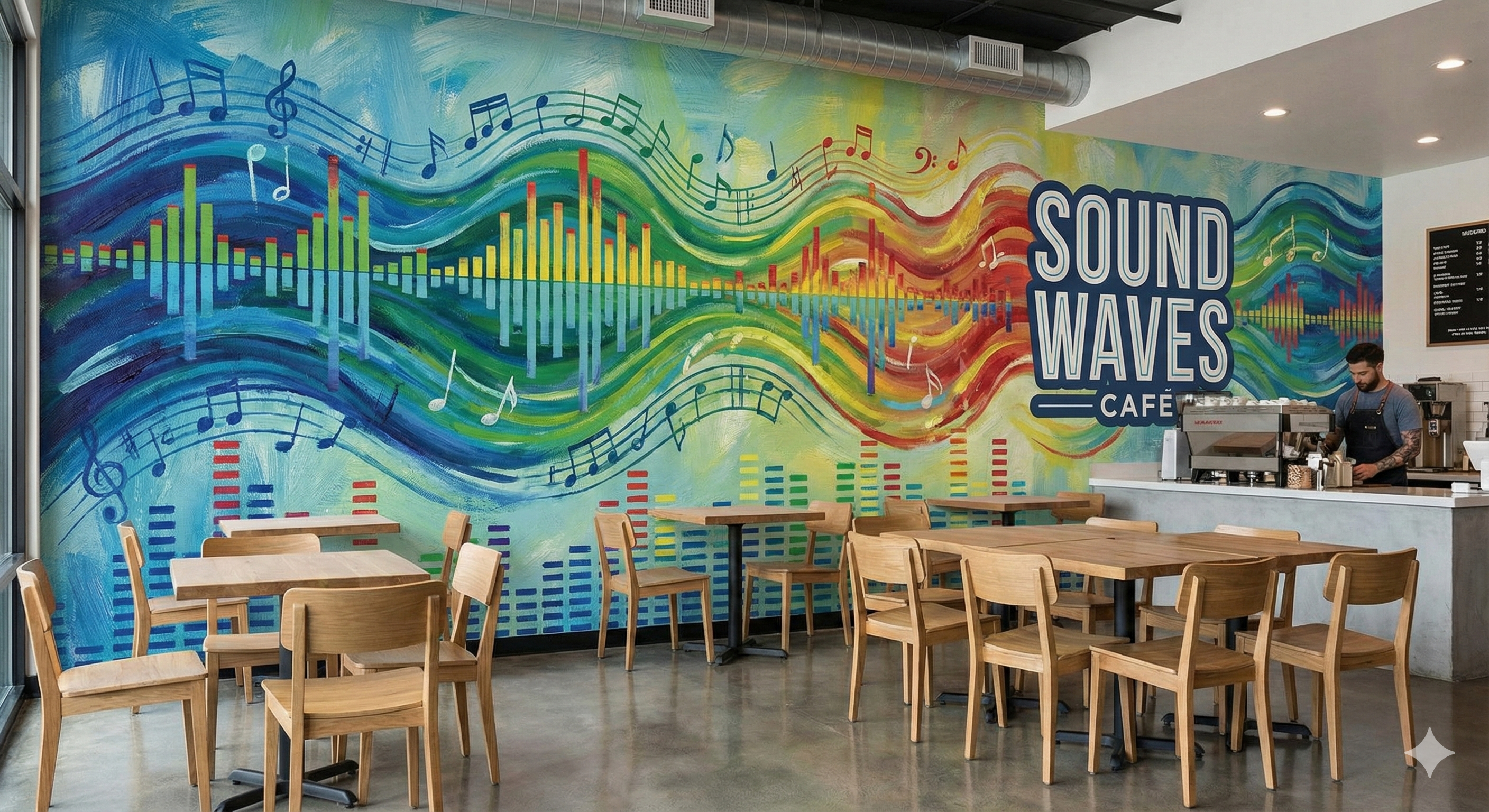
This design concept bridges the gap between the auditory and the visual, capturing the intangible energy of sound. Imagine a dynamic display of digital audio spectrums, where equalizer bars rise and fall in a rhythmic gradient of neon blues, purples, and electric pinks against a deep charcoal background.
Alternatively, consider the scientific beauty of Cymatics, showcasing the perfect geometric patterns formed by sound waves vibrating through sand or water. For a more abstract approach, use fluid, high-velocity color splashes that mimic the “shape” of a bass drop or a crescendo, creating a sense of motion that makes the wall feel alive and pulsating with an invisible beat.
Atmosphere
Modern, energetic, and tech-forward.
Ideal Location
Recording studios, tech startups, or gyms.
4. Music Iconography and Legends Mural
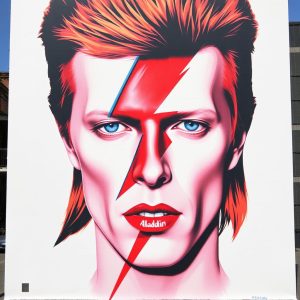
The Music Iconography and Legends theme centers on the human element of music—the creators and the stars.
Visuals
This design strategy transforms the wall into a visual hall of fame, capturing the spirit of musical giants. Picture a monochromatic, high-contrast stencil portrait of a legend like Miles Davis, where the trumpet is the only element in color, gleaming in metallic gold.
Alternatively, consider a typographic mosaic where the facial features of The Beatles are constructed entirely from the lyrics of their greatest hits, using varying font weights to create shading and depth. You might also blend eras, placing a classical bust of Beethoven wearing modern headphones against a backdrop of distressed concert posters. The goal is to evoke the artist’s spirit and legacy, making the wall a conversation piece about history and fame.
Atmosphere
Inspirational, nostalgic, and bold.
Ideal Location
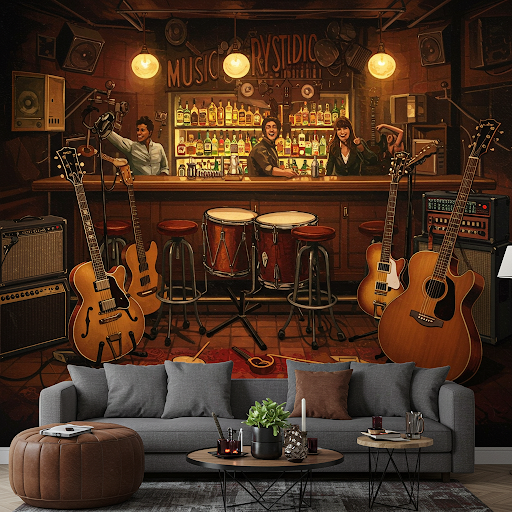
Fan caves, bars, or teen bedrooms.
5. Ethnomusicology (World Music) Mural
This theme celebrates the traditional music of specific cultures, often blending musical elements with heritage patterns.
Visuals
Envision a vibrant visual tapestry that transcends borders by featuring a montage of indigenous instruments harmonized with their cultural heritage. The design focuses on the earthy textures of a Djembe drum merging seamlessly with bold, geometric African mud cloth patterns to symbolize the heartbeat of rhythm. Contrast this with the intricate elegance of a classical Sitar, surrounded by swirling Indian paisley motifs in rich saffron and teal, evoking the spiritual complexity of ragas. Finally, weave in the graceful curves of a Celtic harp, entangled with ancient, mystic knotwork in deep emerald and gold. Background elements might include faint, vintage world maps or indigenous musical notation to create a global symphony.
Atmosphere
Cultured, traveled, and organic.
Ideal Location
Cultural centers, travel agencies, or eclectic living rooms.
6. The Deconstructed Symphony Wall Murals
This is an engineering-focused theme that breaks music down into its components.
Visuals
Channel the aesthetic of high-precision engineering blueprints or vintage patent illustrations. Imagine a complex instrument, like a saxophone or a grand piano, presented in a detailed “exploded view” against a grid-lined, blueprint-blue or graphite background.
Every component is floating in suspension—showing the specific alignment of screws, springs, pads, and keys—highlighting the mechanical complexity usually hidden beneath the surface. To deepen the intellectual vibe, overlay the mechanics with the physics of sound: annotated frequency equations, vibration modes, and the mathematical geometry of the instrument’s curves. This design celebrates the intersection of industrial design and acoustic art.
Atmosphere
Intellectual, industrial, and precise.
Ideal Location
Makerspaces, architectural firms, or producer offices.