


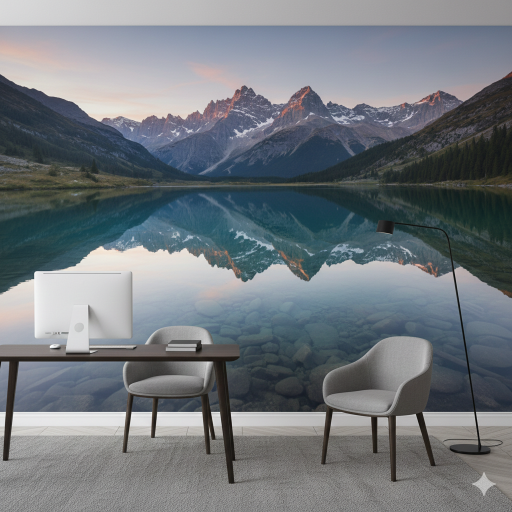
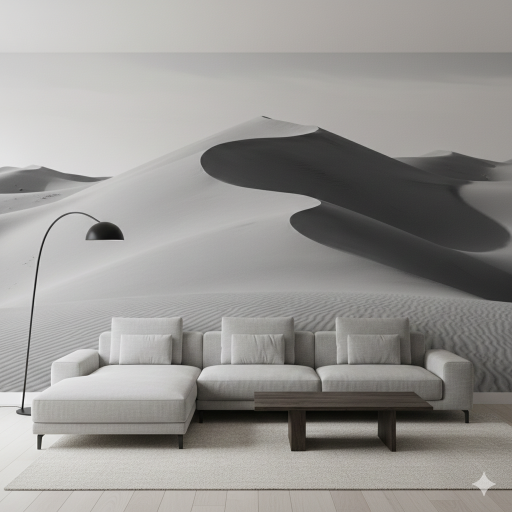
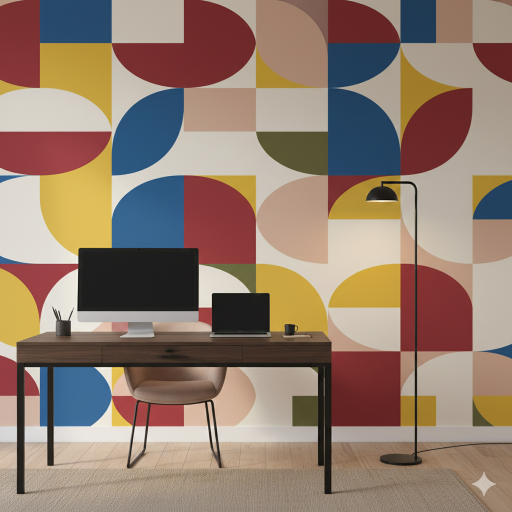
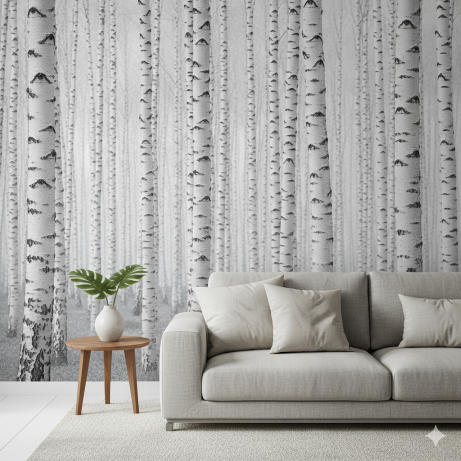
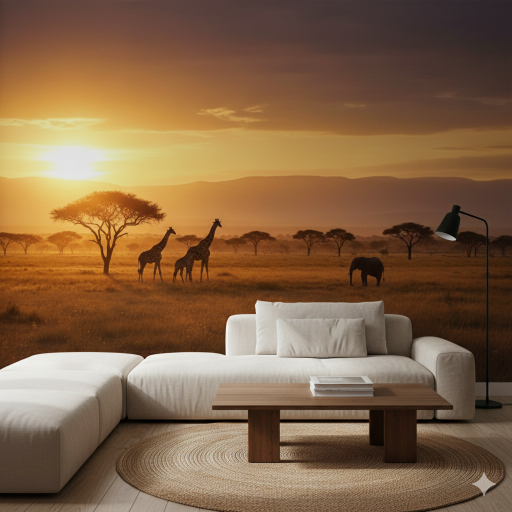
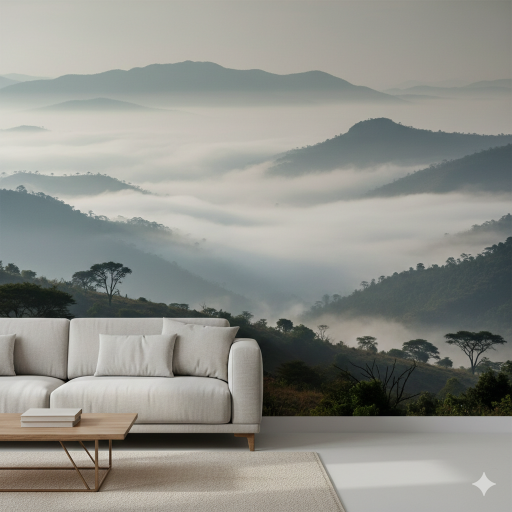

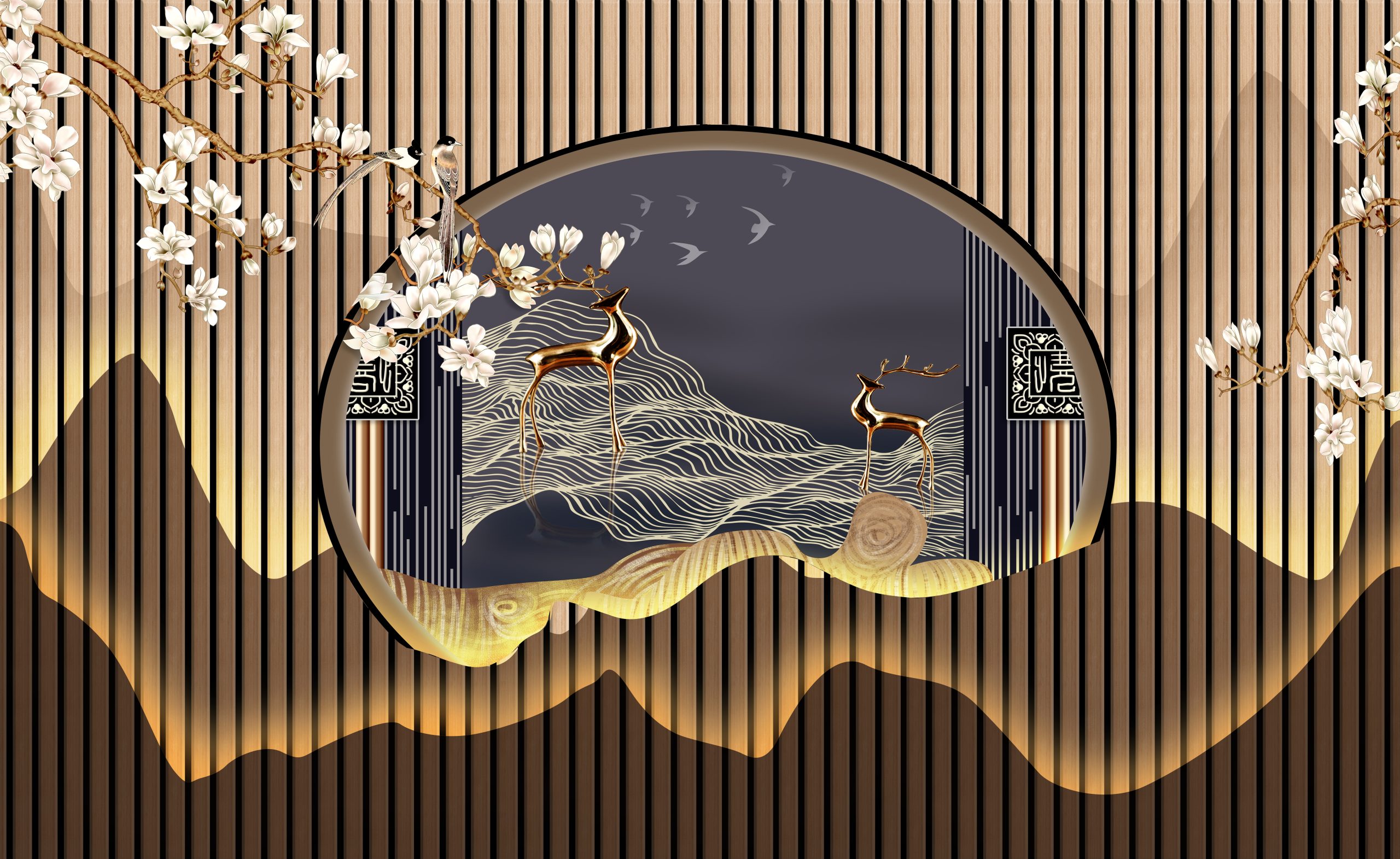
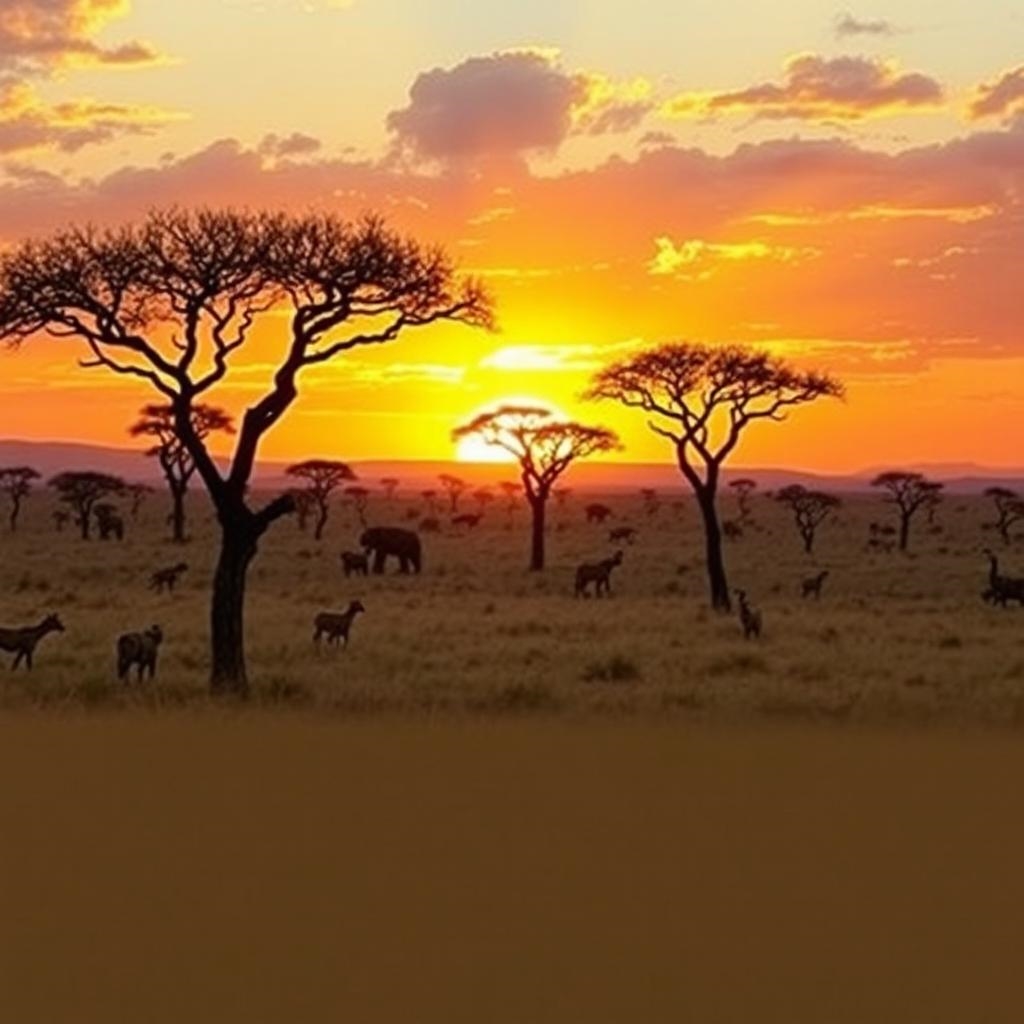
Description
Studio Wallpaper versus Photography Studio Wallpaper
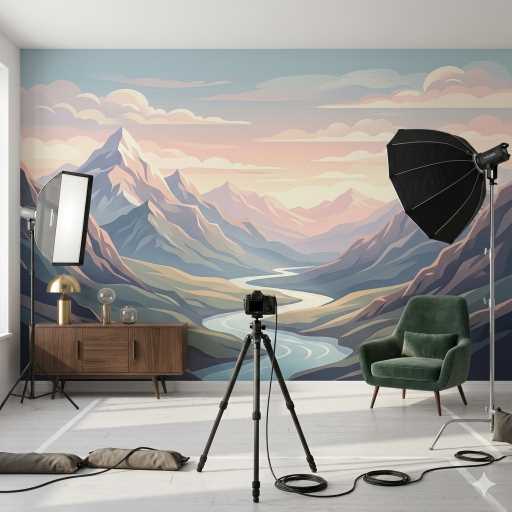
From the perspective of a photographer, a Photography Studio Wallpaper Mural isn’t just a decoration. It is a functional tool designed to control light, depth, and narrative. When we shoot in a studio, the “background” is often the most critical element for setting the mood and ensuring the subject pops.
Studio Wallpaper is primarily decorative, focusing on aesthetics and durability for high-traffic workspaces. Conversely, Camera Studio Wallpaper is a specialized technical tool. It must have a matte, non-reflective finish to prevent light glare and “hot spots” during shoots. While standard wallpaper enhances a room’s look, camera-ready murals are engineered to control light, depth, and texture on film.
Here is an overview of how photography studio wallpaper murals function as professional photographic backgrounds.
Matte Finish Photography Studio Wallpaper: The “Anti-Glare” Rule
In a professional setting, the material is more important than the image itself.
Matte Non-Woven Fabric
In professional photography, matte non-woven fabric is the premier choice for wallpaper mural backdrops. Unlike vinyl or satin finishes, its fibrous, porous texture provides a flat surface that eliminates “hot spots”. Those distracting white glares that are caused by powerful strobes or softboxes. This ensures that the background remains a consistent, soft element in the frame rather than a reflective distraction.
Light Absorption
A high-quality matte wallpaper mural acts as a light trap, absorbing photons rather than scattering them back toward the lens. This physical property is vital for achieving “true” blacks and deep, rich color saturation. By preventing “bounce-back” light, the photographer maintains complete control over the exposure. Ensuring that shadows stay moody and the subject remains the primary focus.
Common Professional Photography Studio Wallpaper Themes
In a professional studio, a wallpaper mural is essentially a “shortcut to high production value.” Instead of scouting a location or hiring a contractor to build an expensive set, we use high-resolution, matte-finish murals to create a specific atmosphere. This flexibility allows a single studio space to transform instantly, offering diverse, high-end environments without the logistical nightmare of physical construction.
1. Industrial & Architectural Photography Studio Wallpaper Textures
Building a real brick or concrete wall in a studio is heavy, messy, and permanent. Murals allow us to switch from a “SOHO Loft” to a “Berlin Underground” look in minutes. This versatility is vital for commercial studios that need to cater to different client aesthetics daily, providing authentic structural depth without the dust, high costs, or permanent structural changes.
The Look
These murals feature hyper-realistic designs like distressed brick, weathered concrete, or rusted metal. The high-resolution printing captures every crack, mortar line, and oxidation detail. When viewed through a camera lens, these visual cues provide a tangible sense of history and “urban decay,” creating a sophisticated, raw backdrop that looks indistinguishable from a real-world architectural site or industrial warehouse.
The Photography Goal
The primary goal is adding grit and edge to the composition. These textures are perfect for “High-Key” lighting, where the micro-shadows in the brickwork provide a sense of place without needing extra props. The mural adds “visual weight” to the background, ensuring the frame feels full and professional while keeping the viewer’s focus strictly on the subject’s silhouette.
Best For
These architectural themes are the industry standard for streetwear fashion shoots, fitness photography, and indie band portraits. The raw texture complements the energy of athletic movement and the rebellious nature of urban fashion. By providing a rugged backdrop, these murals help tell a story of strength and authenticity, making them indispensable for contemporary commercial and editorial photography.
2. Fine Art “Old World” Plaster
Genuine Venetian plaster or hand-painted canvas backdrops, like those popularized by legendary photographers such as Annie Leibovitz, are incredibly expensive, often costing thousands of dollars per piece. High-resolution matte murals provide a cost-effective alternative, delivering the same high-end, artisanal aesthetic. This allows any studio to achieve a luxury, painterly atmosphere without the massive financial investment of custom-commissioned canvases.
The Look
The aesthetic is defined by subtle gradients of charcoal, olive, or ochre, featuring “mottled” or “sponge-painted” textures. These designs mimic the organic imperfections of hand-applied plaster. The soft transitions between tones create a sophisticated, neutral environment that doesn’t compete with the subject but instead provides a rich, tactile depth that feels both historical and high-fashion.
The Photography Goal
The ultimate goal is creating timelessness. The uneven, matte texture of the mural is designed to catch “rim light” (light hitting from the side), adding a 3D feel to the background. This lighting technique makes the subject appear as if they are stepped directly into a Renaissance painting, providing a sense of gravitas and classical beauty to the frame.
Best For
This specific theme is the industry standard for luxury bridal portraits, corporate headshots for executives, and fine art maternity shoots. The elegance of the “Old World” look elevates the subject, conveying a sense of importance and legacy. It is the go-to choice for clients seeking a sophisticated, understated background that emphasizes their personality and professional stature.
3. “Trompe L’oeil” (The Optical Illusion)
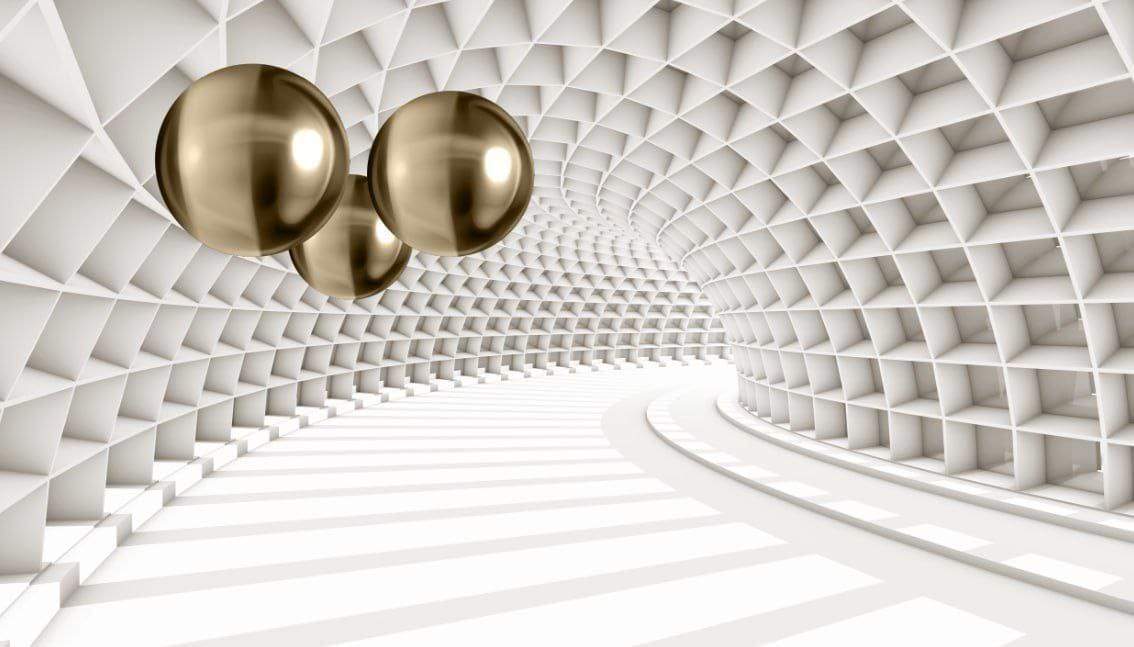
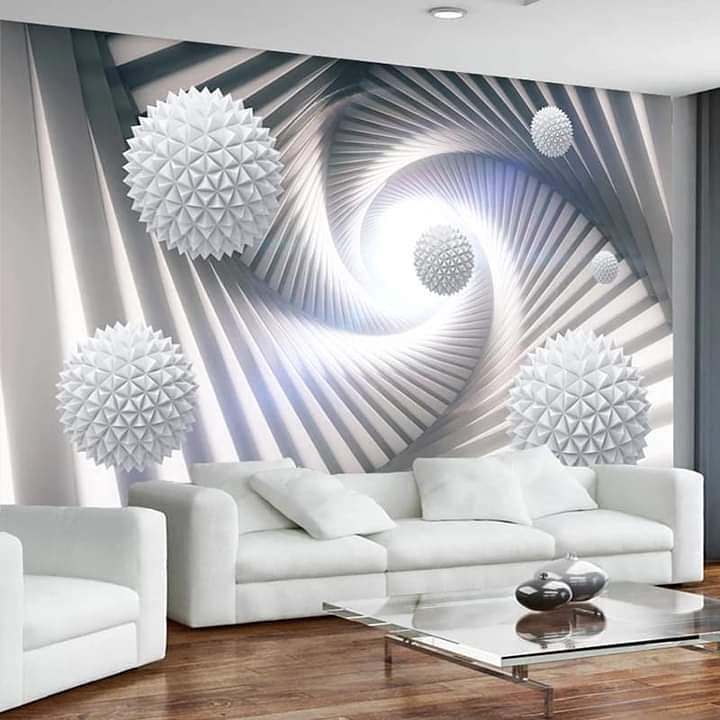
“Trompe l’oeil” is a sophisticated artistic technique where murals are used to trick the camera’s lens into seeing significant depth where there is only a flat wall. By utilizing forced perspective and realistic shadowing, these murals create an immersive environment. This allows a photographer to simulate high-end locations within the confines of a small studio, effectively removing physical spatial limitations.
The Look
The aesthetic typically features expansive architectural elements, such as a long library hallway, a grand arched window looking out at a Parisian street, or a minimalist “corner” of a room. These designs rely on vanishing points and precise geometric scaling. When captured on camera, these flat surfaces transform into three-dimensional worlds, providing a rich, detailed narrative to the image.
The Photography Goal
The primary objective is expanding the space. When shot with a “long lens” (85mm or 105mm), the compressed depth and background blur (bokeh) make the mural’s faux-perspective look incredibly real. It gives the photo a “cinematic” scale and professional grandeur that a standard small studio normally couldn’t provide, making the final composition feel open, airy, and expensive.
Best For
This technique is the premier choice for editorial fashion and commercial “lifestyle” photography. It allows brands to place their products or models in exotic, luxury, or historically significant settings without the massive overhead of international travel. These murals provide a versatile canvas for storytelling, ensuring that every frame looks like it was captured on a high-budget location set.
4. Biophilic & Botanical Photography Studio Wallpaper Murals
Bringing real trees or large-scale floral arrangements into a studio is a logistical nightmare—they wilt, they leak water, and they are difficult to light. Botanical murals offer a permanent, maintenance-free alternative that remains “camera-ready” indefinitely. This allows photographers to maintain a consistent natural aesthetic across multiple shoot days without the mess or the recurring cost of sourcing fresh greenery.
The Look
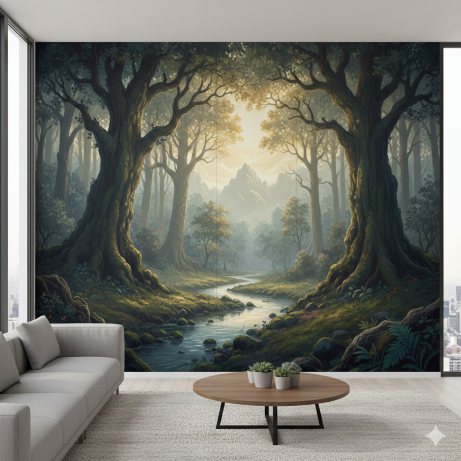
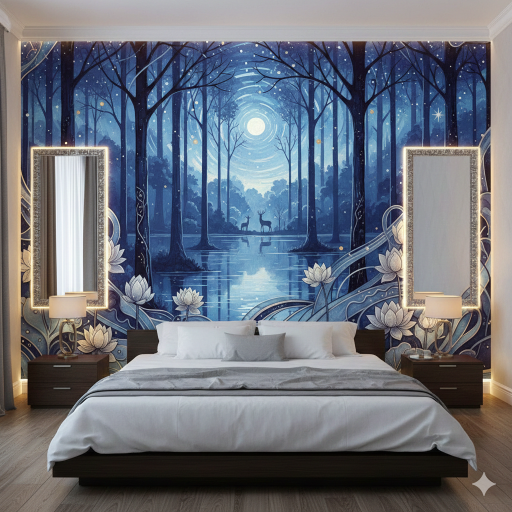
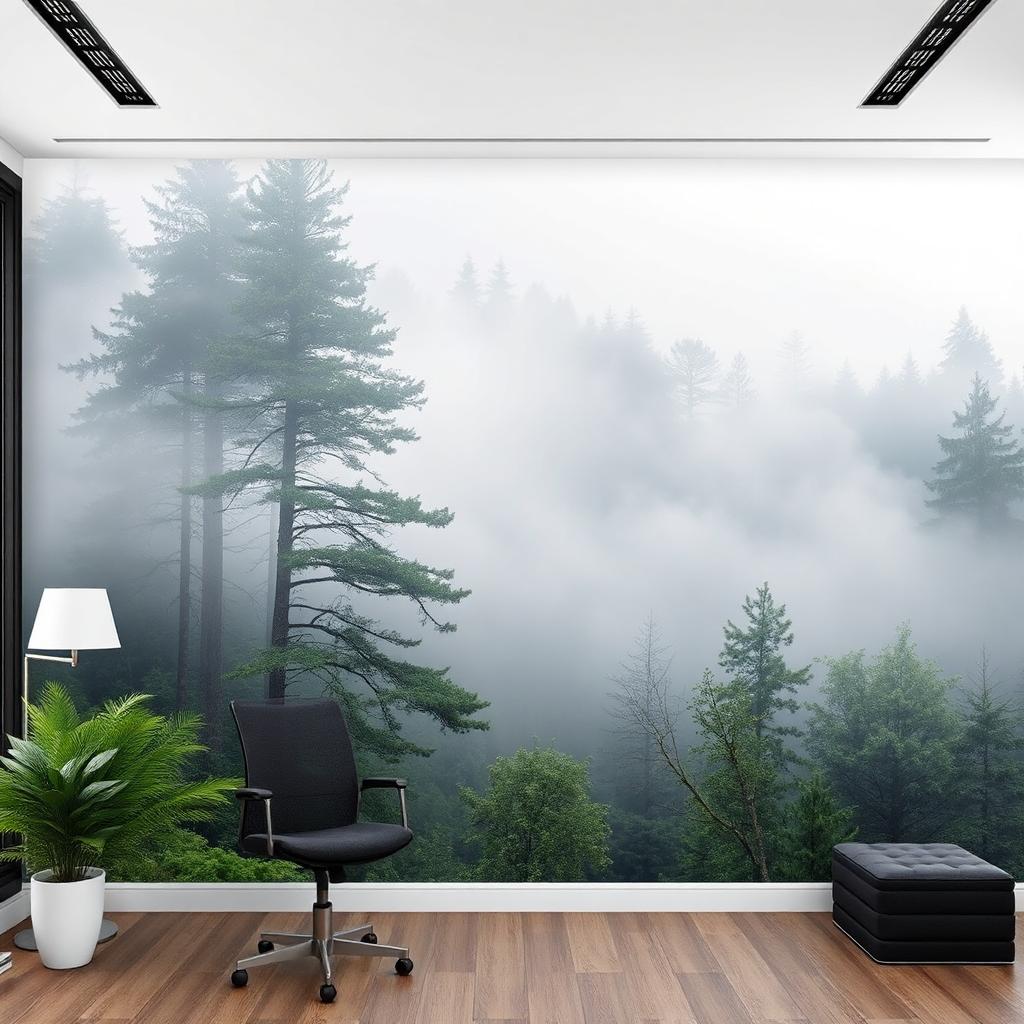
The aesthetic encompasses over-sized tropical leaves, soft-focus misty forests, or dark floral “moody” patterns. These designs focus on organic shapes and deep color palettes. When printed on a matte non-woven surface, the intricate details of the foliage appear velvety and realistic, providing a lush, high-definition environment that adds significant visual interest to the background of any frame.
The Photography Goal
The primary objective is adding organic softness to the composition. These murals break up the rigid, sterile lines of a traditional studio and provide a “lifestyle” vibe that feels expensive and curated. By introducing natural elements, the photographer can soften the mood of the shot, creating a more inviting and high-end atmosphere that feels intentionally designed and aesthetically balanced.
Best For
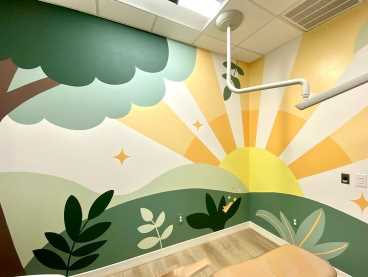
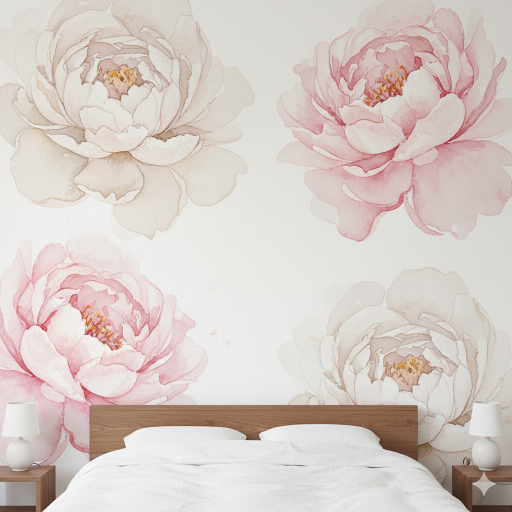
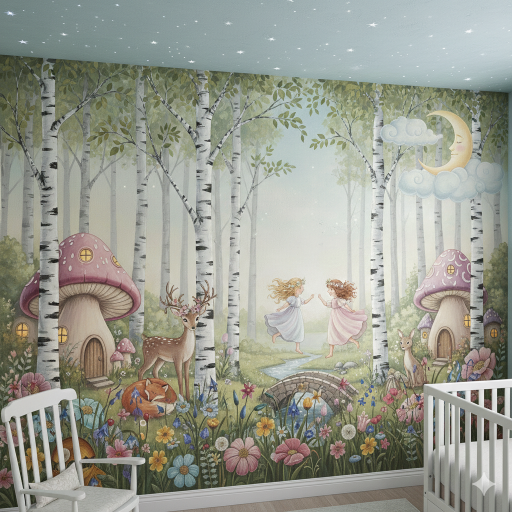
This theme is the premier choice for skin-care product photography, “boho-chic” fashion, and children’s photography. The natural elements complement the purity of beauty products and the free-spirited nature of bohemian styles. For children, the whimsical forest or floral patterns create a magical, engaging environment that looks professional and high-budget, ensuring every portrait feels like a storybook scene.
Why “Matte” is the Critical Photography Studio Requirement
Regardless of the theme, as a photographer, I would never use a standard vinyl mural. It must be Matte Non-Woven. Professional lighting setups are designed to reveal detail, but they also expose flaws. A standard vinyl surface behaves like a mirror, creating distracting highlights that ruin the composition. Matte fabric ensures the focus remains entirely on the subject, not the wall.
Specular Reflection
Shiny paper creates “hot spots” (white glares) when a strobe flashes. These specular reflections occur because light bounces off a smooth surface at a concentrated angle directly into the lens. This results in blown-out white patches in your image that are impossible to fix in post-processing. A matte finish diffuses this light, spreading it evenly across the entire surface.
Color Accuracy
Matte surfaces allow the camera to capture the intended color profile of the mural without it being washed out by ambient light. Glossy materials reflect the colors of surrounding objects and lights, shifting the hue of your background. By absorbing excess light, a matte non-woven mural preserves the integrity of the design, ensuring that deep blacks and vibrant tones stay true.
The Optical Benefits
A well-chosen mural is more than a backdrop; it is a technical asset that assists the camera’s sensor in capturing a more professional image. By manipulating how the lens perceives space, light, and color, these murals allow for high-level creative control.
Simulated Depth
Many murals use “trompe l’oeil” (optical illusion) to make a flat wall look like a 3D hallway or a spacious loft. By incorporating vanishing points and realistic shadows into the print, the mural tricks the camera lens into perceiving a physical distance that does not exist. This adds a grand, architectural scale to portraits, even when shooting in a confined studio space.
Bokeh Enhancement
Textural murals, such as those featuring “bokeh” light patterns or soft botanicals, are specifically designed to complement a shallow depth of field. When a photographer shoots with a wide aperture, like $f/1.4$ or $f/2.8$, the lens naturally blurs the background. However, if the background is a plain, flat wall, this blur can look muddy or sterile. A mural with pre-printed out-of-focus elements enhances this effect, making the background blur look intentional, deep, and creamy. This synergy between the mural’s texture and the lens’s optics creates a professional “3D” separation that makes the subject truly pop.
Color Grading
Choosing a photography studio wallpaper mural with a specific color palette, such as earthy tones or cool grays, significantly streamlines the post-processing phase. Since the “base” of the photograph is already color-coordinated with the subject’s wardrobe or skin tone, the photographer spends less time in software correcting color casts. This ensures a consistent, professional aesthetic across an entire gallery of images.
Practical Photography Studio Wallpaper Installation
A professional photography studio is a high-traffic environment subject to constant equipment movement. Therefore, these wallpaper murals require a specialized installation approach. Most photographers opt for heavy-duty, moisture-resistant adhesive to ensure the matte non-woven fabric remains perfectly flat. And bubble-free under intense studio lights. Alternatively, mounting the mural onto large, movable flats (V-Flats) offers ultimate versatility. This modular setup allows you to physically move the “wall” around the room to catch the best natural or artificial light. This flexibility is essential for adjusting shadows and highlights. Ensuring the background always complements the subject’s positioning perfectly.
Pro Tip: If you are setting up a space specifically for photography, look for “seamless” mural options. Any visible seams between panels can be a nightmare to edit out in Photoshop later!