


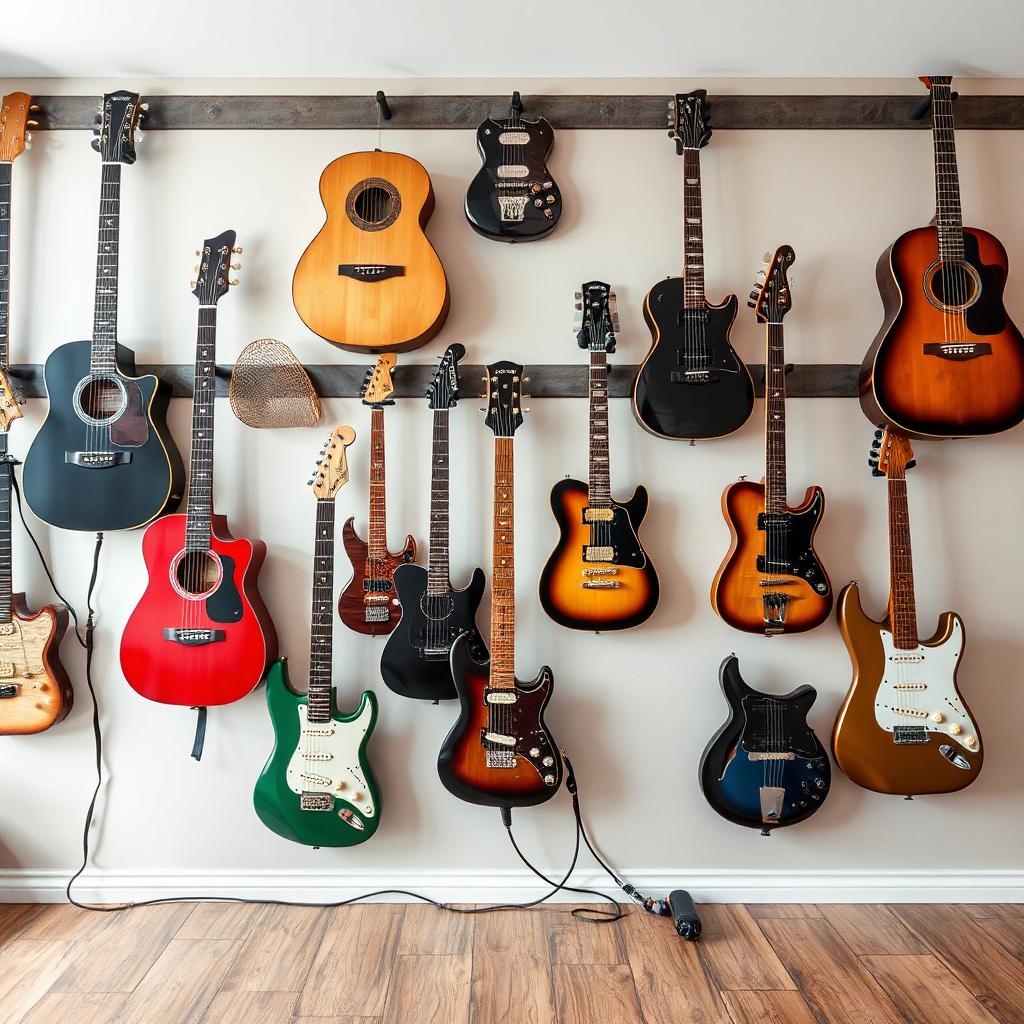
Description
Decorative vs. Acoustic Recording Studio Wallpaper
Recording studio wallpaper is a specialized niche that balances high-end aesthetics with the demanding acoustic requirements of a sound-controlled environment. Unlike standard residential wallpaper, these materials often pull double duty by addressing sound reflection while creating an inspiring creative atmosphere.
Here is an overview of the key categories, materials, and design considerations for recording studio murals and wallpapers.
It is important to distinguish between “acoustic wallpaper” and “decorative wallpaper used in a studio.”
Acoustic Wallpaper (Functional)
Usually made of thick, non-woven polyester or felt-like fibers. These materials are designed to have a specific NRC (Noise Reduction Coefficient). They help dampen high-frequency “flutter echo” and reduce reverberation.
Decorative Vinyl/Non-Woven (Aesthetic)
These are standard high-quality murals. While they don’t provide significant sound absorption, they are often applied over existing acoustic treatments (like fiberglass boards) or used in “dead” spaces like control room rear walls where heavy absorption isn’t the primary goal.
Recording Studio Wallpaper Materials and Finishes
Materials and finishes for recording studio wallpaper require looking at both the visual behavior of the surface under studio lighting and its acoustic transparency. In a space where sound and light are meticulously controlled, the wrong finish can cause “slap echo” or distracting screen glare.
Here is a deeper dive into the technical characteristics of these materials.
1. Matte Non-Woven (The Professional Standard)
Non-woven wallpaper is a blend of natural and synthetic fibers. For studios, it is often the “gold standard” because it is breathable and dimensionally stable.
Aesthetic Performance
The matte finish is non-reflective. In a control room filled with LED strips, computer monitors, and gear displays, a glossy wall creates “hot spots” of light that cause eye strain. Matte surfaces diffuse this light, creating a soft, immersive environment.
Acoustic “Breathability”
While not a sound absorber on its own, non-woven material is more porous than solid vinyl. This allows a small amount of sound energy to pass through the paper into the wall (or the acoustic treatment behind it) rather than bouncing off a hard plastic surface.
Installation Advantage
It is “paste-the-wall,” meaning it doesn’t expand or contract. This is vital in studios where temperature and humidity are tightly regulated to protect sensitive instruments.
2. Fabric-Backed & Textured Vinyl
Vinyl is often avoided in high-end rooms because it is a hard, reflective plastic. However, textured or fabric-backed versions are used strategically.
Diffusion by Texture
Heavy embossing (patterns with physical depth like faux stone, linen, or geometric ridges) helps with diffusion. Instead of a sound wave hitting a flat wall and bouncing back perfectly (specular reflection), the texture breaks the wave and scatters it in multiple directions.
Durability
In “live rooms” where drum kits, guitar amps, and mic stands are constantly moved, walls take a beating. Fabric-backed vinyl is tear-resistant and can be scrubbed clean if scuffed by gear.
The “Vibe” Factor
These materials can mimic high-end studio finishes like wood paneling or suede at a fraction of the cost.
3. Acoustic Felt & Polyester “Wallcoverings.”
This category blurs the line between wallpaper and acoustic treatment. These are typically 3mm to 12mm thick.
NRC Rating
These materials have a Noise Reduction Coefficient (NRC), usually ranging from 0.20 to 0.45. This means they can absorb 20% to 45% of the sound hitting them, specifically in the mid-to-high frequency range (speech and cymbals).
Material
Usually made from recycled PET (plastic bottles). It feels like a stiff felt.
Seamless Look
Unlike bulky acoustic panels, these can be applied floor-to-ceiling across an entire wall to create a seamless, “soft” look that completely kills flutter echoes in small vocal booths.
4. Perforated & Micro-Perforated Finishes
If you have high-quality acoustic mineral wool or foam on your walls but want a custom mural design, you cannot use standard wallpaper—it would “seal” the acoustic foam and make it useless.
Micro-Perforations
These wallpapers have thousands of tiny, invisible holes.
The Physics
Sound waves pass through the holes and get trapped in the insulation behind the paper, while the eye only sees the printed image. This allows for a “hidden” acoustic treatment where the entire room looks like a beautiful mural but sounds like a professional “dead” room.
Recording Studio Wallpaper Design Themes & Moods
The visual environment of a recording studio is more than just decor; it is a psychological tool used to put artists in the right headspace for performance. Here is an expanded look at the four primary design themes for studio wallpaper.
1. Dark & Moody
The “Dark & Moody” aesthetic is a staple in professional control rooms and high-end mixing suites. By utilizing deep charcoals, matte blacks, or midnight blues, the walls essentially “recede” from the occupant’s field of vision. When the overhead lights are dimmed and the gear’s LEDs are glowing, these dark surfaces prevent light bounce, keeping the engineer’s or producer’s focus entirely on the monitors and the sound. This theme creates an intimate, womb-like atmosphere that feels private and secure—ideal for late-night sessions where the world outside needs to disappear so the music can take center stage.
2. Organic & Nature
“Organic/Nature” themes transform a windowless, basement-level, or sound-isolated box into a breathable, creative sanctuary. Large-scale forest murals, misty mountain ranges, or lush botanical patterns provide a visual “escape” that can lower a performer’s cortisol levels and reduce “booth anxiety.” This is particularly popular in “destination studios” where artists stay for weeks to record. By bringing elements of the outdoors inside, the studio feels less like a technical laboratory and more like a natural space. It encourages a relaxed, grounded performance, making it a favorite for acoustic acts, singer-songwriters, and film composers.
3. Retro & Vintage
The “Retro/Vintage” theme pays homage to the golden era of analog recording. These wallpapers often feature mid-century geometric patterns or the iconic “warm” color palettes of the 1970s—think burnt oranges, mustard yellows, and chocolate browns. Visually, these designs pair perfectly with wood-paneled gear racks, vintage Neve consoles, and classic tube microphones. The goal here is nostalgia; the environment suggests a lineage of great records and timeless craftsmanship. For an artist, walking into a retro-themed room can provide a sense of prestige and a connection to the legendary musicians who recorded in similar-looking spaces decades ago.
4. Abstract & Geometric
Abstract and geometric designs are often used to solve spatial perception issues in smaller studios. Linear patterns that mimic sound waves, architectural grids, or forced-perspective shapes can trick the eye into seeing more depth than actually exists, making a cramped vocal booth feel significantly larger. These designs are high-energy and modern, often used in electronic music studios or podcasting suites. By using sharp lines and contrasting tones, these murals provide a sense of rhythm and movement on the walls. They represent the precision of digital editing and the mathematical beauty of sound, inspiring a sense of technical excellence and modern innovation.
Technical Installation Tips
Avoid High-Gloss
High-gloss surfaces are a dual threat in professional studios. Acoustically, they act as hard mirrors, causing harsh high-frequency reflections and “slap echo” that color the sound. Visually, they reflect glare from studio monitors and LED gear, leading to significant eye fatigue during long mixing sessions. Always prioritize matte, eggshell, or “suede” finishes to ensure a diffused, neutral environment.
Adhesive Choice
Because recording studios are often highly insulated, airtight environments, humidity can become trapped behind wall coverings. It is essential to use a heavy-duty, permeable, and mold-resistant adhesive. Standard pastes can fail under the heat generated by racks of analog gear or trap moisture in windowless booths. A high-quality, anti-fungal adhesive ensures long-term bond strength and protects the air quality.
Strategic Placement
The placement of your mural should be dictated by your speaker position. Avoid installing standard wallpaper at the “first reflection points”—the spots on the side walls directly between the monitors and your ears—unless it is a micro-perforated material over acoustic batting. Instead, use decorative murals on the front wall behind the monitors or the back wall to ground the room’s aesthetic.