


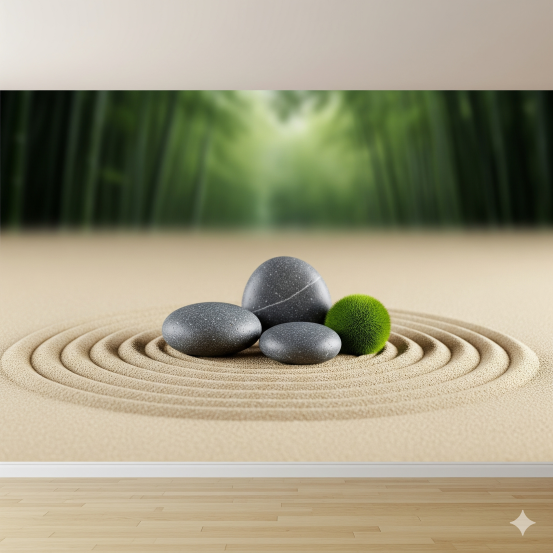
Description
A Spa Wallpaper Mural is a transformative design element specifically engineered to enhance the atmosphere of wellness environments. Unlike standard wallpaper, these murals focus on large-scale, immersive imagery designed to induce relaxation, lower cortisol levels, and create a “transportive” experience for the guest.
Hotel spa murals elevate guest experiences by creating immersive escapes within a luxury setting. These installations prioritize high-end, Type II hospitality-grade vinyl to withstand high traffic and humidity.
Functioning as a “silent service,” these murals lower cortisol levels immediately. Selecting scrubbable, antimicrobial materials ensures the design remains pristine against cleaning chemicals, perfectly blending aesthetic beauty with commercial-grade durability.
Here is an overview of the key components, materials, and design trends for spa wallpaper murals:
1. Popular Spa Wallpaper Mural Themes
The goal of a spa mural is usually to bring the outdoors in or to provide a focal point for meditation.
Biophilic Design
High-resolution photography of lush forests, eucalyptus leaves, or bamboo groves. Research suggests these images can physically lower heart rates.
Zen & Minimalist
Imagery of stacked river stones (Cairns), soft sand ripples, or monochrome mandalas that encourage focus and calm.
Water Elements
Close-ups of dew drops, misty mountain lakes, or gentle waterfalls. These are particularly popular in “wet” areas like sauna exits or hydrotherapy rooms.
Abstract Textures
Murals that mimic natural materials like marble veins, silk fabrics, or oxidized copper, providing a luxury feel without the cost of the raw material.
2. Material Considerations (Technical Requirements)
Because spas are high-humidity environments, the material of the mural is just as important as the image itself.
| Material Type | Best For | Key Benefits |
| Fabric-Backed Vinyl | Treatment rooms | Extremely durable, scrubbable, and resistant to bumps from massage tables. |
| Non-Woven (Breathable) | Changing areas | Allows walls to “breathe,” reducing the risk of mold and mildew trapped behind the paper. |
| Laminated Murals | Steam rooms/Pools | An extra protective layer makes the mural waterproof and resistant to chemical splashes (like chlorine). |
| Antimicrobial Coating | All spa areas | Many professional murals now come with silver-ion coatings that inhibit the growth of bacteria and fungi. |
3. Spa Mural Psychological Impact & Color Theory
Colors in spa murals are chosen specifically for their physiological effects:
Sage Greens & Soft Blues
Promote healing and tranquility.
Warm Earth Tones (Terracotta, Sand)
Create a sense of groundedness and security.
Cool Grays/Whites
Convey cleanliness and modern sophistication.
4. Strategic Spa Wallpaper Mural Placement
Ceiling Murals
Often overlooked, placing a mural on the ceiling (e.g., a soft sky or canopy) is highly effective in treatment rooms where guests spend 90% of their time looking upward.
Transition Corridors
Using a mural in a long hallway helps “bridge” the gap between the busy outside world and the quiet treatment zone.
Feature Walls
Typically placed behind the reception desk or the main relaxation lounge to set the visual “brand” of the spa immediately.
5. Benefits of Spa Murals vs. Paint
Instant Atmosphere
A mural can turn a windowless basement room into a tropical forest in a single afternoon.
Acoustic Softening
Certain textile-based murals help dampen echoes, contributing to the “quiet” spa environment.
Cost-Effective
It is significantly cheaper to install a stone-patterned mural than to source, cut, and install real slate or marble.