


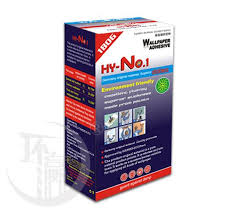
Description
The Chemistry of the Wallpaper Glue “Grab.”
Most of our customers asking for wallpaper glue actually require wallpaper paste. In the context of wallcoverings, wallpaper “glue” represents the heavy hitters of the adhesive world. While starch-based pastes are gentle and water-heavy, synthetic glues like PVA (Polyvinyl Acetate) and EVA (Ethylene Vinyl Acetate) are engineered for high-stress environments and non-breathable materials.
While starch-based pastes are the standard for paper, synthetic “glues” like PVA and EVA are the powerhouses of the industry. They transition from liquid to solid through chemical and physical changes that create a far more permanent bond than starch alone.
PVA (Polyvinyl Acetate)
Polyvinyl Acetate, famously known as “white glue,” is a thermoplastic synthetic polymer. In wallpapering, it is often a water-based emulsion where microscopic resin particles are suspended in water. As the water evaporates or is absorbed by the wall, these particles migrate closer together in a process called coalescence, eventually fusing into a continuous, clear, and incredibly strong plastic film. Unlike starch, which can become brittle over time, the PVA bond remains slightly flexible, allowing the mural to withstand minor structural shifts or vibrations. It is the go-to choice for porous materials that require a permanent, high-strength “mechanical interlock.”
EVA (Ethylene Vinyl Acetate)
Ethylene Vinyl Acetate is a copolymer that takes the core strength of PVA and adds the “tack” and flexibility of ethylene. Often found in professional clay-based or “heavy-duty” adhesives, EVA offers significantly higher water resistance and heat stability than standard pastes. The ethylene component allows the adhesive to stay pliable even in extreme conditions, preventing the bond from cracking. Its primary scientific advantage is its molecular grab on “difficult” substrates. While starch needs pores to “hook” into, EVA can bond to non-porous surfaces like metal, glass, or existing PVC vinyl by creating a high-energy surface bond that resists peeling.
Why “Thin” Wallpaper Glue is an Advantage
While starch paste is thick to hold water for paper expansion, synthetic glue is often thinner and more fluid. The “thin-is-in” logic for synthetic glues isn’t just about convenience; it’s about the physics of a seamless finish. While starch pastes need bulk to manage the paper’s hydration, synthetic glues rely on high-performance resins that do more with less.
Low Profile
Synthetic glues achieve a “low profile” bond by concentrating active polymer resins within a minimal liquid carrier. Unlike bulky starch pastes, these glues create an ultra-thin bond line that is practically invisible once cured. This is scientifically critical for overlap seams or “border-on-border” applications. It ensures the transition between layers remains perfectly flush, preventing the unsightly, raised ridges and “shadow lines” that thicker, water-heavy pastes inevitably create as they dry, settle, and contract. (80 words)
Wicking
Wicking is driven by capillary action, the physical phenomenon where low-viscosity liquids naturally flow into narrow gaps regardless of gravity. Because synthetic glues have reduced surface tension, they excel at migrating deep into the microscopic spaces behind peeling seams or curling edges. This allows for “surgical” repairs; you can introduce a tiny amount of glue to a loose corner and let the material draw it in. It restores the structural bond effortlessly without requiring a risky full-panel peel. (82 words)
Wallpaper Glue Application: Non-Porous Surfaces
Standard paste requires a porous surface (like drywall) to “hook” into. Synthetic wallpaper glue works through molecular adhesion, making them essential for:
Vinyl-on-Vinyl
Standard starch-based paste relies on water absorption to create a mechanical bond. But vinyl is essentially a waterproof plastic sheet. Synthetic adhesives bridge this gap through molecular adhesion. The polymer resins (like EVA) create a “chemical bite” by forming intermolecular forces—specifically Van der Waals and hydrogen bonds—directly with the PVC surface molecules. This creates a permanent, high-strength fusion that allows decorative borders to stick to non-porous vinyl wallpaper without peeling or sliding. (79 words)
Primed/Glossy Walls
High-gloss paint and oil-based primers create a smooth, non-absorbent “shell” that rejects water-based starch pastes. Without a “mechanical key” to hook into, a mural would simply slide down the wall under its own weight. Synthetic-heavy adhesives solve this by providing superior wet tack and internal cohesion. The resins act like microscopic suction cups, grabbing the glossy surface immediately and holding the heavy material in place while the adhesive cures into a rigid, plastic-like bond. (83 words)
The “Additive” Technique (Boosting)
Professionals often perform “field chemistry” by mixing synthetic glue into starch paste.
The “Turbo” Effect
Mixing a shot of PVA into your starch paste is like upgrading a standard sedan to a 4×4; you’re blending the “slip” of starch with the aggressive “grab” of synthetic resins. At a 10–20% ratio, the PVA particles provide immediate initial tack, acting as a chemical anchor while the starch manages the paper’s expansion. This hybrid “field chemistry” is a lifesaver for hanging heavy, fabric-backed vinyl in busy Nairobi office corridors. It provides the “suction” needed to prevent heavy panels from sagging or shifting under their own weight, ensuring the mural stays perfectly plumb throughout the drying process.
Comparison at a Glance
| Feature | Starch Paste | Synthetic Glue (PVA/EVA) |
| Main Ingredient | Food-grade starch | Synthetic polymer resins |
| Open Time | Long (easy to slide) | Short (sets quickly) |
| Strength | Moderate | High / Permanent |
| Removability | Easy with water | Difficult (often requires stripping agents) |