


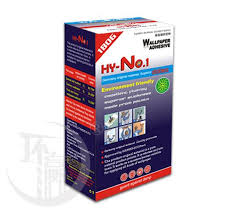
Description
Wallpaper Paste, Powder, Glue, or Adhesive?
Starch-based wallpaper paste is primarily composed of modified natural polymers, typically derived from maize (corn), wheat, or potato starch. Through a process called etherification, the starch is converted into starch ethers (like carboxymethyl starch), which increases water solubility and prevents the paste from reverting to a gel too quickly.
To enhance performance, manufacturers include cellulose ethers (methyl cellulose) for better “slip” and water retention. Small amounts of synthetic resins (like PVAc) may be added for increased “wet tack.” Finally, essential additives include biocides and fungicides to prevent mold growth, and plasticizers to ensure the dried film remains flexible.
Starch-based and cellulose-based adhesives are highly environmentally friendly. Derived from renewable plant sources (corn, potato, or wood pulp), they are biodegradable and typically contain zero or low VOCs (Volatile Organic Compounds). This ensures better indoor air quality compared to heavy synthetic glues, making them ideal for eco-conscious design projects.
Terminology
In the wallcovering industry, these terms are often used interchangeably, but they describe different states, strengths, and chemical compositions of the bonding agent.
1. Wallpaper Powder
This is the dehydrated form of the adhesive. Usually made from starch or methyl cellulose, it is lightweight and has a long shelf life. It requires the user to manually mix it with water to achieve the desired viscosity. It is the most cost-effective option for standard paper-based murals.
2. Wallpaper Paste
“Paste” typically refers to the mixed, gel-like state of the adhesive. Whether it came from a powder or a pre-mixed tub, a “paste” has high water content and a thick, spreadable consistency. It is specifically designed for porous materials (like paper) that need to absorb moisture to expand.
3. Wallpaper Glue
While used colloquially, “glue” usually implies a synthetic, high-tack liquid (like PVA or EVA). It is thinner than paste but has a much stronger chemical “grab.” It is often used for non-porous surfaces or as an additive to paste to increase strength for heavy vinyls or “border-on-border” applications.
4. Wallpaper Adhesive
This is the scientific umbrella term for any substance used to bond the wallcovering to the substrate. It encompasses powders, pastes, and heavy-duty glues.
How to apply wallpaper paste
Applying starch-based wallpaper paste is a process of controlled saturation. Because starch-based adhesives rely on water to activate the paper’s fibers, the goal is to provide enough moisture for the paper to expand fully before it hits the wall.
Here is the professional workflow for applying starch-based paste.
1. The Setup: “Paste-the-Paper.”
Starch-based adhesives are almost exclusively used for the “paste-the-paper” method. Unlike non-woven materials, standard paper murals expand when wet. If you apply the paste to the wall instead of the paper, the paper will expand on the wall, leading to bubbles and creasing.
Lay it Flat
Use a clean pasting table or a floor protected by a drop cloth.
Face Down
Lay the wallpaper panel face down, ensuring the edges are aligned with the table edge to prevent getting paste on the front of the design.
2. Wallpaper Paste Application Technique
The “Center-Out” Rule
Start applying the paste in the center of the panel and work your way outward in a “herringbone” or “V” pattern. This ensures the paper is stretched evenly and prevents air pockets from being trapped under the adhesive layer.
Generous Edges
Pay extra attention to the edges. A dry edge is the most common cause of “seam curling.”
Even Consistency
Aim for a uniform “orange peel” texture with your brush or roller. You want enough glue to see a wet sheen, but not so much that it’s “puddled” or dripping.
3. The “Booking” Process (Crucial Step)
This is the scientific “secret” to wallpapering. Once the paste is applied, you must allow the paper to “relax.”
1, Fold:
Fold the top and bottom ends of the paper toward the middle (pasted side to pasted side), ensuring the edges meet perfectly. Do not crease the folds.
2. Wait:
Let the paper sit (this is called “booking”) for the exact amount of time recommended by the manufacturer—usually 5 to 10 minutes.
3. The Expansion:
During this time, the water in the starch adhesive soaks into the paper fibers, causing the panel to grow in width (sometimes by as much as 1cm to 2cm). If you skip this, the paper will grow on the wall and create wrinkles.
4. Mounting to the Wall
Unfold the Top Half:
Take the “booked” panel to the wall, unfold only the top half, and align it with your plumb line.
Smooth from Center:
Use a paperhanger’s brush or a felt-edged squeegee to smooth the paper from the center toward the edges. This pushes out air and ensures the mechanical bond is tight.
Clean the Seams:
Starch-based pastes are generally water-soluble. Use a damp (not soaking) natural sponge to immediately wipe away any paste that squeezes out of the seams. If left to dry, it can leave a shiny residue on the mural.
Comparison of Tools
Choosing the right tool is less about preference and more about the material weight and the application method (Paste-the-Paper vs. Paste-the-Wall). Since you are working with starch-based adhesives, you are likely in a “Paste-the-Paper” workflow, which influences which tool will be most effective.
Here is a comparison of the primary tools for applying and smoothing wallpaper.
1. The Wallpaper Paste Brush (The Traditionalist)
A dedicated pasting brush is typically 100mm to 150mm wide with thick, synthetic or natural (hog hair) bristles designed to hold a high volume of liquid.
Best For:
Standard paper murals, heavy-duty starch pastes, and intricate corners.
The Advantage:
It allows you to “work” the paste into the fibers of the paper. This is scientifically beneficial for starch-based glues, as the mechanical agitation helps the adhesive penetrate the paper backing for a stronger bond.
The Downside:
It is slower than a roller and can be messier. If you aren’t careful, you can “flick” paste onto the front of the mural.
2. The Wallpaper Paste Roller (The Speedster)
A medium-nap (10mm–12mm) microfiber or foam roller.
Best For:
Large-scale commercial murals and “Paste-the-Wall” applications.
The Advantage:
Speed and uniformity. A roller provides a perfectly even “orange peel” texture of adhesive, which prevents the “lumps” sometimes caused by uneven brush strokes. It is the best choice if you are applying paste directly to the wall in a Nairobi office setting where speed is a priority.
The Downside:
It doesn’t “drive” the paste into the paper as effectively as a brush. It also requires a roller tray, which takes up more space on a pasting table.
3. The Hanging Brush vs. The Squeegee (Smoothing Tools)
Once the paper is on the wall, you must choose between a brush or a plastic smoother to remove air.
The Hanging Brush
Description:
Long, soft bristles (usually horsehair or synthetic).
Best For:
Delicate papers, hand-painted murals, or textured “flock” wallpapers.
Why use it?
It applies gentle, even pressure. It won’t scratch the ink or flatten the texture of an embossed mural.
The Plastic Squeegee (Smoother)
Description:
A flexible, flat plastic blade with rounded corners.
Best For:
Vinyl-backed murals and heavy-duty commercial wallcoverings.
Why use it?
It allows for much higher pressure than a brush. This is essential for thick vinyls to ensure all air is “plowed” out from the center. It also doubles as a trimming guide—you can press it into the ceiling line and run your snap-off blade along it for a perfect cut.
| Tool | Best For | Why? |
| Pasting Brush | Large murals | Holds a high volume of paste; fast application. |
| Short-Nap Roller | Smooth finishes | Provides the most even, thin layer of adhesive. |
| Squeegee | Vinyl-coated paper | Excellent for high-pressure bonding. |