




Description
1. Traditional and modern wall art formats
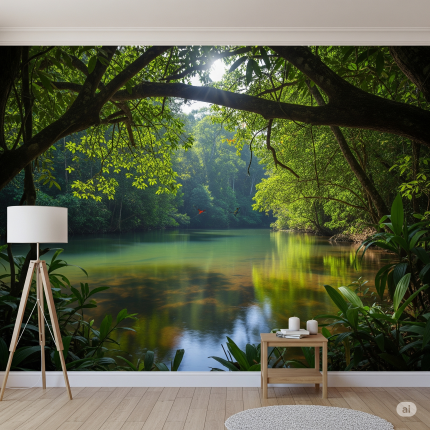
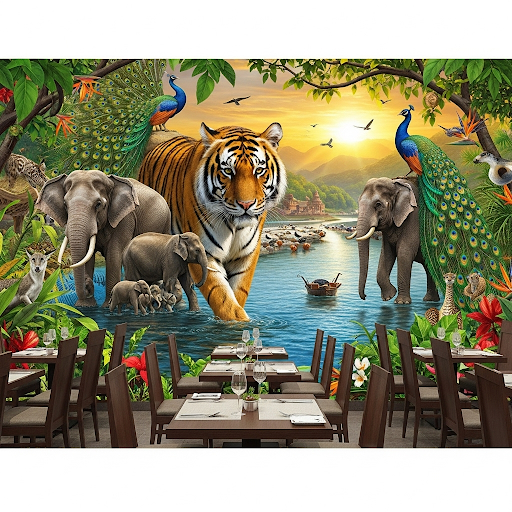
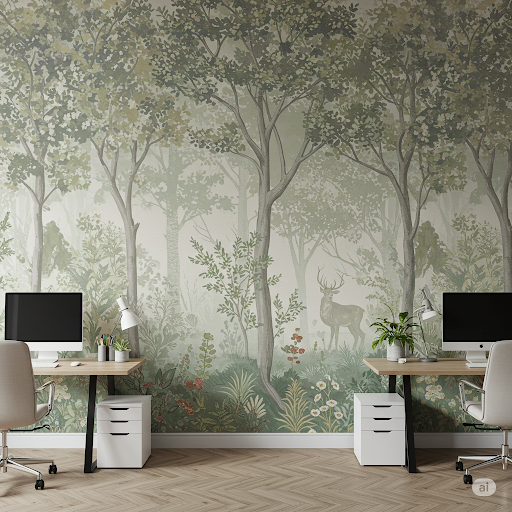
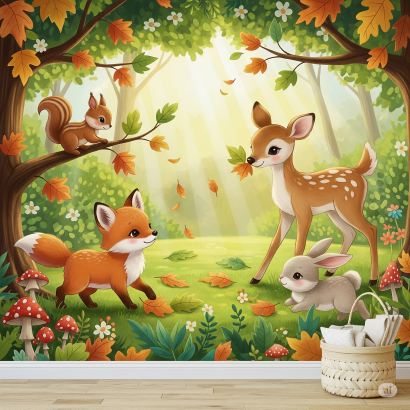
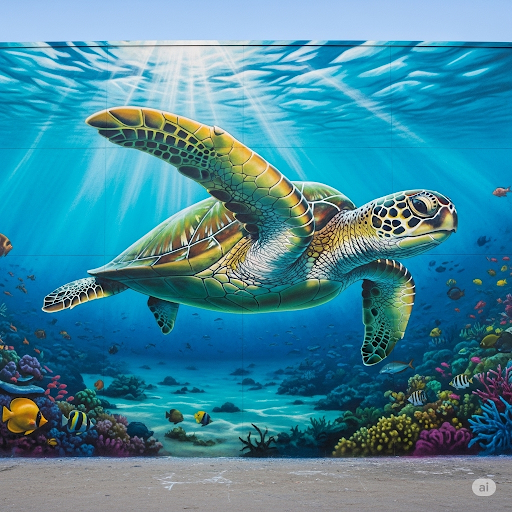
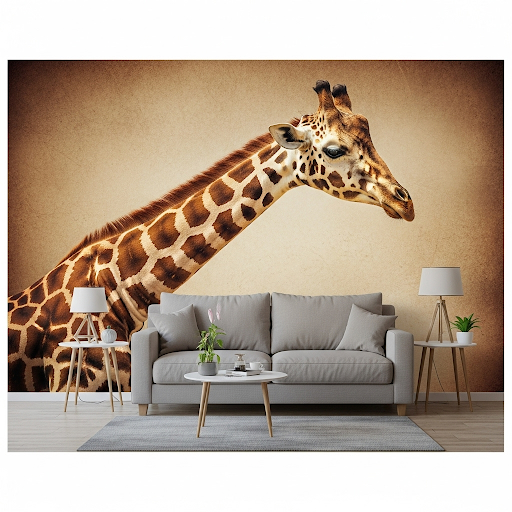
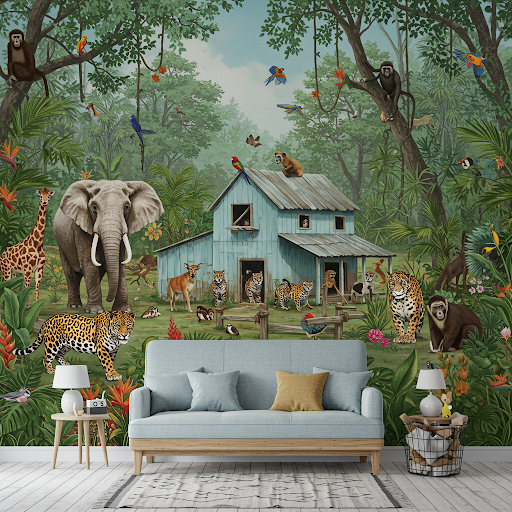
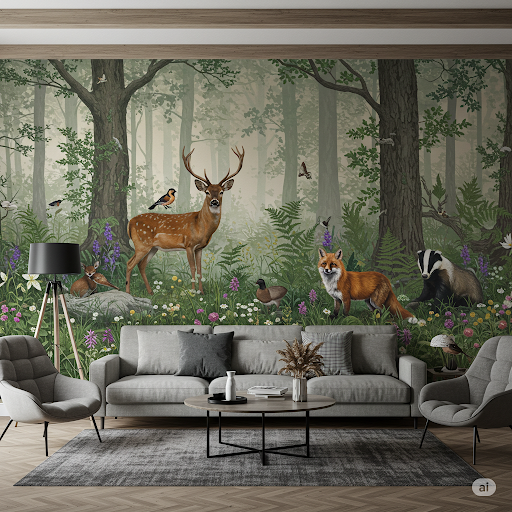
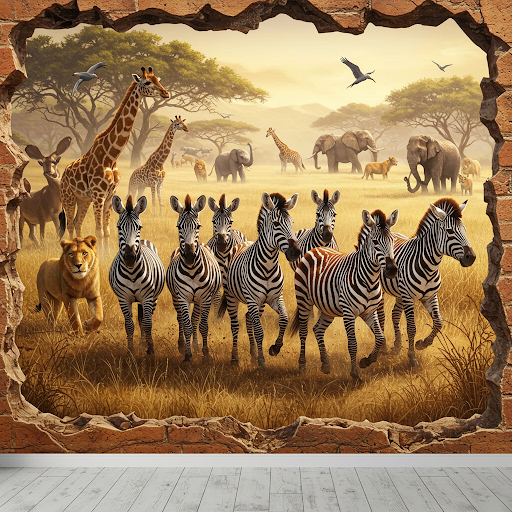
Wildlife wall art is a specialized genre of interior decor that features visual representations of non-domesticated animals and their natural environments. It serves as both an aesthetic enhancement and a symbolic bridge between indoor human spaces and the natural world.
Beyond mere decoration, wildlife wall art is often used to evoke specific emotions—such as the power of a lion or the serenity of a soaring bird—and is a cornerstone of biophilic design, which seeks to improve human well-being by integrating nature into the built environment.
Wildlife art has evolved into a diverse discipline that transcends a single medium, bridging the gap between historical documentation and contemporary expression. It spans a wide range of traditional and modern formats, allowing homeowners to choose pieces that align with their specific interior design goals. Whether through the tactile richness of a hand-painted canvas or the sleek, backlit glow of a digital print, these formats allow the natural world to be reimagined in various styles. This versatility ensures that wildlife art remains a timeless choice, capable of adapting to both rustic, classic homes and ultra-modern, minimalist spaces.
Photography
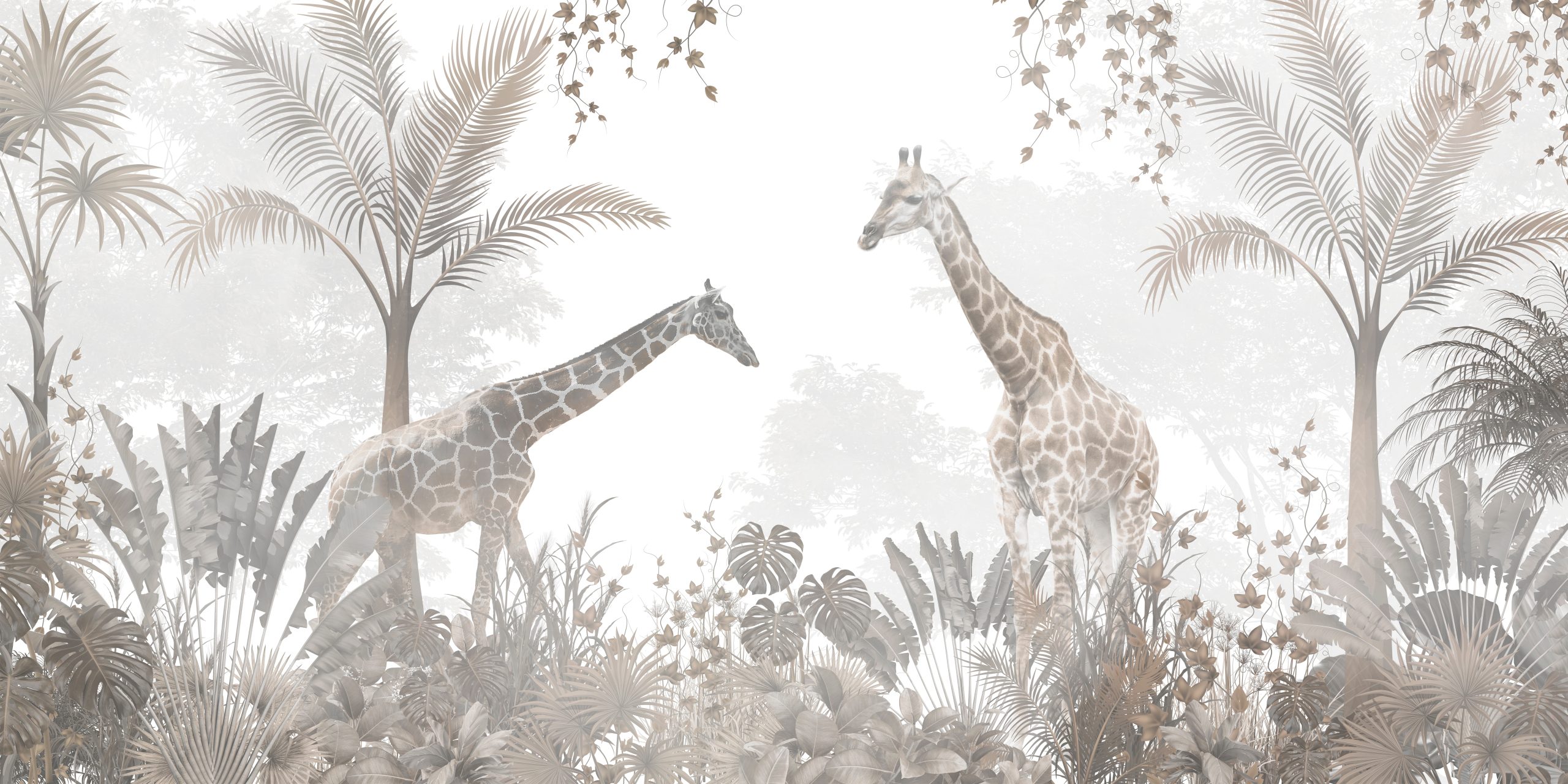
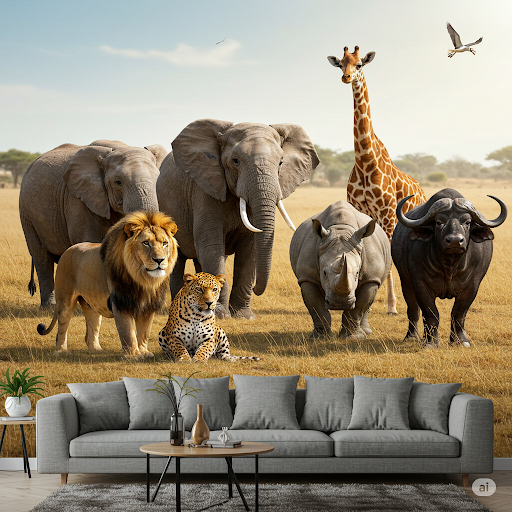
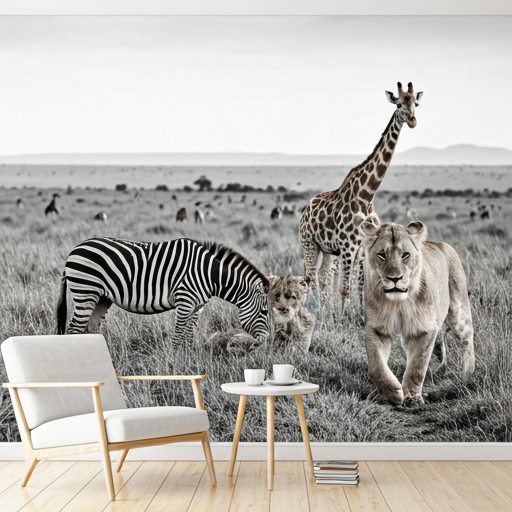
High-resolution photography captures the raw, split-second reality of the natural world. These prints frozen in time—such as a macro shot detailing the iridescent wing of a butterfly or a wide-angle vista of a Serengeti safari—provide a sense of authenticity and “being there” that other media cannot replicate.
Original Paintings
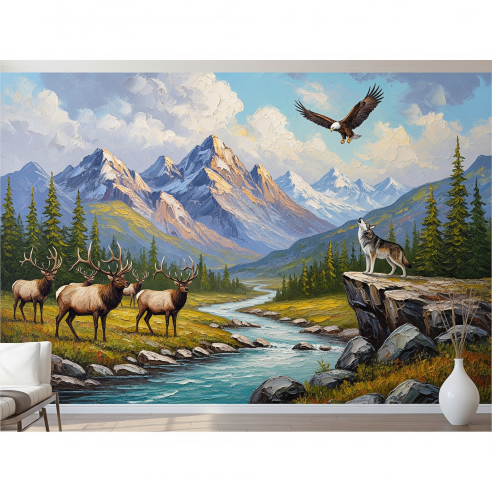
Works in oil, acrylic, or watercolor offer a unique, human perspective on the animal kingdom. These pieces provide physical texture and visible brushstrokes that add a sense of luxury and depth. An original painting captures the artist’s emotional response to wildlife, making it a one-of-a-kind statement piece for any room.
Canvas & Fine Art Prints
Canvas and Giclée prints are durable, high-quality reproductions that make professional-grade wildlife art accessible for everyday home use. Utilizing archival inks, these prints offer incredible color accuracy and longevity, providing the sophisticated look of a gallery piece without the high price tag associated with original commissions.
Sculptural Wall Art
Sculptural pieces made from metal, wood, or resin break the “flat” tradition of wall decor, adding three-dimensional depth and tactile interest. These 3D representations of animals or organic shapes create dynamic shadows as room lighting changes, offering a more physical and commanding presence on a feature wall.
2. Modern Digital Wildlife Wall Art
Modern digital wildlife art is the frontier where biological beauty meets technological precision. It represents a departure from traditional “earth-tone” realism, reimagining animals through the lens of a high-tech, urbanized world.
Geometric Deconstruction
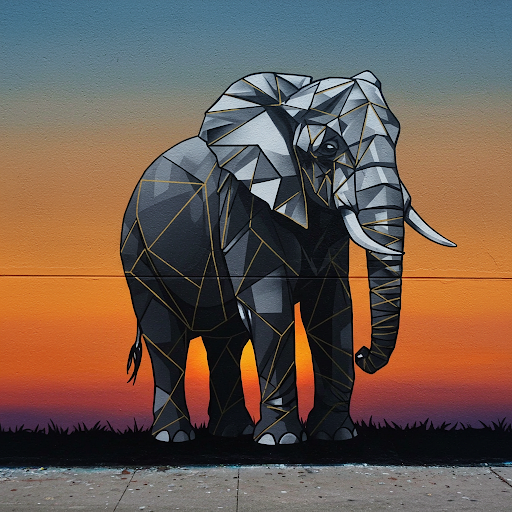
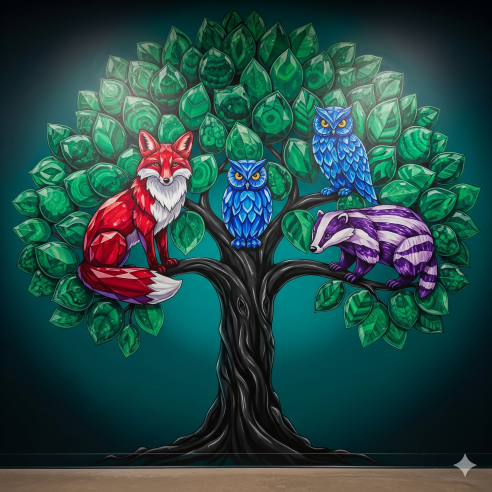
Digital artists utilize software to strip away the softness of nature, replacing organic curves with mathematical precision. By utilizing low-poly or vector-based techniques, they redefine the animal form. This method moves away from the tactile, messy reality of paint, opting instead for clean lines that emphasize structure over texture and realism.
The Technique
By mapping an animal’s anatomy—such as the powerful curve of a wolf’s snout or the majestic span of an eagle’s wing—artists break the image into hundreds of interconnected triangles, hexagons, or sharp polygons. Each shape is meticulously placed to maintain the subject’s essence while transforming it into a complex mosaic.
The Impact
This deconstruction creates a fascinating sense of “digital anatomy.” It suggests that nature is built upon an invisible, perfect, mathematical blueprint. By blending organic life with structured order, the art reflects a universe that is both biological and calculated, offering a sophisticated, intellectual interpretation of the wild’s hidden underlying patterns.
Ideal Setting
These pieces thrive in highly architectural spaces, industrial lofts, or rooms featuring mid-century modern furniture. Because the art mirrors the sharp lines of contemporary design, it integrates seamlessly with materials like glass, steel, and polished concrete, providing a biological touch that feels as modern and curated as the architecture itself.
High-Saturation and “Neon” Palettes
Digital software allows for the manipulation of light and hue far beyond the limits of traditional pigments. Artists employ glowing cyans, electric magentas, and “hyper-fluorescent” greens that seem to vibrate off the surface. These synthetic colors reimagine the animal kingdom through a lens of high-definition, artificial brilliance, and light.
The Energy
These vibrant colors provide a high-energy aesthetic that mimics the kinetic glow of a city at night or the intensity of a high-resolution computer screen. Often categorized as “Cyber-Nature” or “Synthwave Wildlife,” this style brings a pulse to a room, suggesting a world that is fast-paced, connected, and futuristic.
Psychological Shift
While a traditional green forest painting is “calming,” a neon-blue digital panther is “energizing.” This style is specifically designed to stimulate the brain and spark creative thought. It acts as an immediate conversation starter, shifting the room’s mood from one of quiet contemplation to one of active, imaginative engagement.
Visual Pop
When placed against a dark or neutral wall, these digital pieces act like an internal light source. They draw the eye immediately, commanding the viewer’s attention and serving as the room’s primary focal point. This “pop” ensures that the artwork is not just a background element, but a statement.
Surrealism and “Future-Nature”
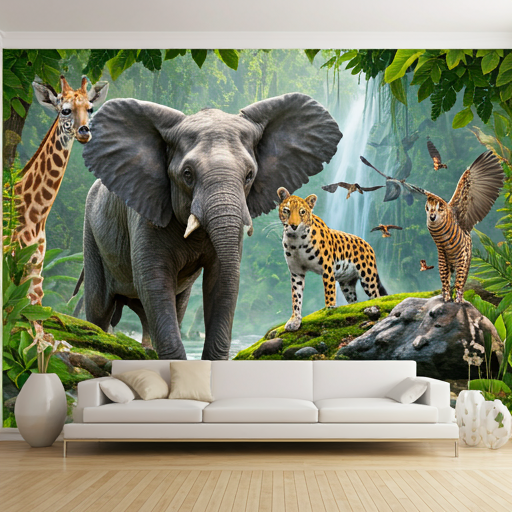
Digital tools enable artists to place wildlife in impossible contexts, blending the biological with the surreal:
Glitch Art
By intentionally adding “digital errors”—such as shifting pixels, color bars, or data corruption effects—to an animal’s image, artists comment on the fragile relationship between technology and the environment. It suggests a nature that is being filtered, distorted, or perhaps even rewritten by our increasingly digital and artificial human existence.
Double Exposure
The double exposure technique overlays a silhouette of an animal with contrasting digital imagery, like a circuit board or a futuristic cityscape. It creates a visual metaphor for the encroachment of the urban world onto the wild, or perhaps a fusion where technology and biology have become one inseparable, complex modern entity.
The Message
This art often explores the theme of Post-Naturalism—the idea of how we perceive and “preserve” nature in an age of artificial intelligence and digital dominance. It asks whether our connection to the wild is evolving into something entirely virtual, questioning if the digital “copy” will eventually replace the original.
3. Common Artistic Wall Art Styles
The “look” of wildlife wall art can vary significantly depending on the desired atmosphere, influencing how a viewer connects with the subject and the surrounding room.
Realism / Photorealism
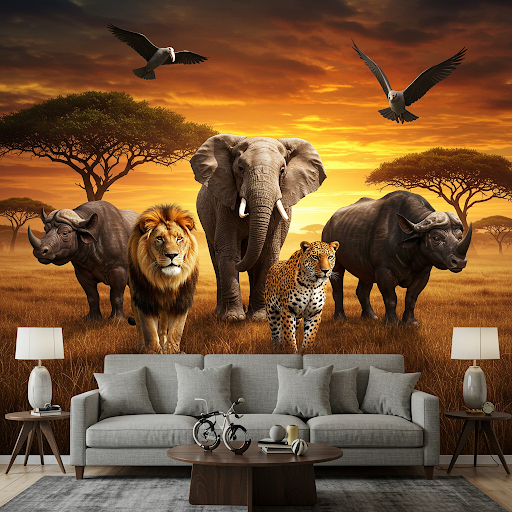
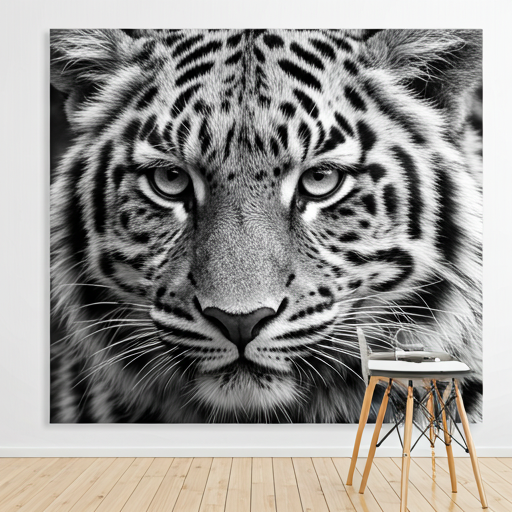
Realism focuses on exacting anatomical accuracy and intricate detail, celebrating the animal’s physical beauty as it appears in the wild. Every whisker, feather, and reflection in the eye is rendered with precision. This style serves as a window into nature, offering a profound sense of presence and respect for biological reality.
Abstract
Abstract wildlife art uses bold colors, energetic shapes, and expressive brushstrokes to suggest the “spirit” or “essence” of an animal rather than its literal form. By stripping away fine detail, the artist emphasizes movement and emotion. It is ideal for creative spaces where the feeling of the wild is preferred over a literal depiction.
Minimalist
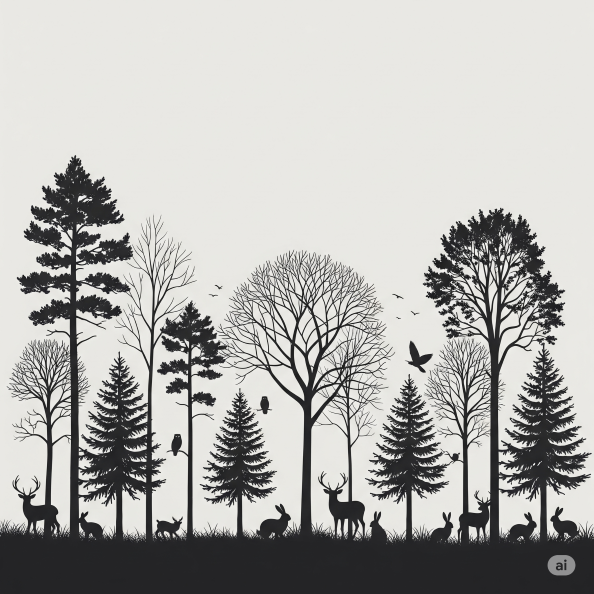
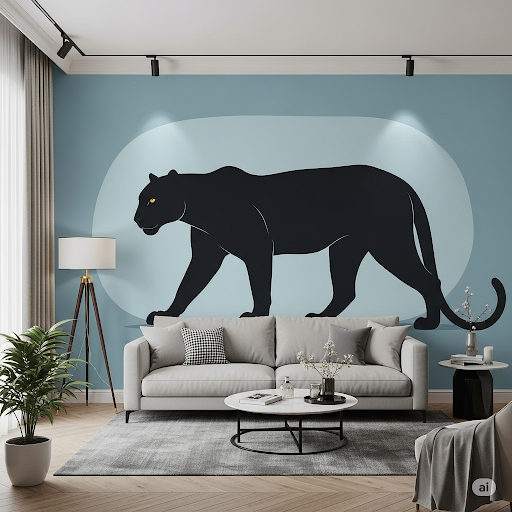
Minimalism often features simple line art, single-weight strokes, or stark black-and-white silhouettes. This style is ideal for modern, “Japandi,” or Scandinavian-style interiors where “less is more.” It captures the iconic profile of a creature—like the curve of a whale’s tail—allowing the viewer’s imagination to fill in the rest.
Vintage / Scientific Illustration
The vintage/scientific illustration style echoes the meticulous work of 19th-century naturalists like John James Audubon. Featuring aged paper textures and detailed observational notes, these pieces provide a classic, academic feel. They transform a room into a sophisticated study or gallery, celebrating the historical era of discovery and the meticulous cataloging of the natural world.
4. Wildlife Wall Art Symbolism and Emotional Impact
When we bring an image of an animal into our living space, we aren’t just decorating. We are inviting a specific “archetype” into the room. In psychology and interior design, wildlife art acts as a visual anchor that can subconsciously shift the mood of the inhabitants.
Here is how different subjects impact the emotional energy of a room:
The Energy of Power and Authority
Subjects
The Impact
These pieces create a “commanding” presence. Because these animals are apex predators, their imagery evokes a sense of protection, boundary-setting, and leadership.
Best For
Executive offices, boardrooms, or any space where you need to feel empowered and confident.
Subconscious Cue
“I am in control of my environment.”
The Energy of Tranquility and Fluidity
Subjects
Herons, Swans, Fish (like Koi), or Jellyfish.
The Impact
These subjects are often associated with the element of water. They suggest grace, emotional depth, and a “go-with-the-flow” attitude. The slow, rhythmic movements associated with these animals can actually lower the viewer’s heart rate.
Best For
Bedrooms, bathrooms, or meditation corners.
Subconscious Cue
“It is safe to let go and relax.”
The Energy of Wisdom and Ancient Knowledge
Subjects
The Impact
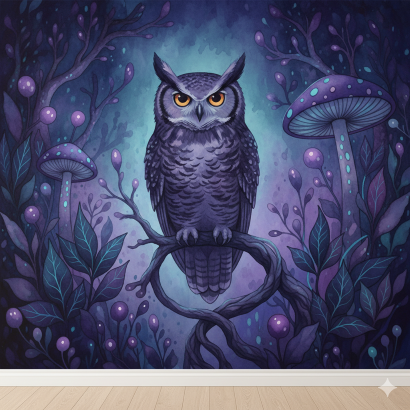
These animals are cross-cultural symbols of longevity and perspective. An owl suggests a deep, watchful intelligence, while an elephant brings a heavy, grounded energy that feels stable and permanent.
Best For
Libraries, study areas, or the family “hearth.”
Subconscious Cue
“There is value in patience and experience.”
The Energy of Freedom and Aspiration
Subjects
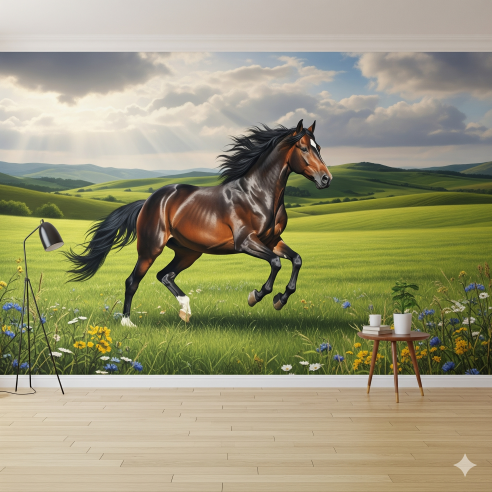
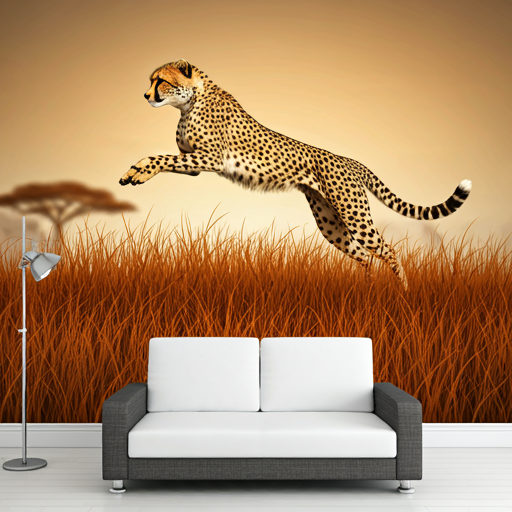
Eagles in flight, Horses running, Migrating birds.
The Impact
These images use “diagonal” energy and implied motion to create a sense of limitlessness. They are psychologically uplifting because they remind the viewer of the ability to transcend current circumstances and see the “big picture.”
Best For
High-ceiling rooms, hallways, or spaces where you feel “stuck” or uninspired.
Subconscious Cue
“There are no horizons I cannot reach.”
The Energy of Playfulness and Connection
Subjects
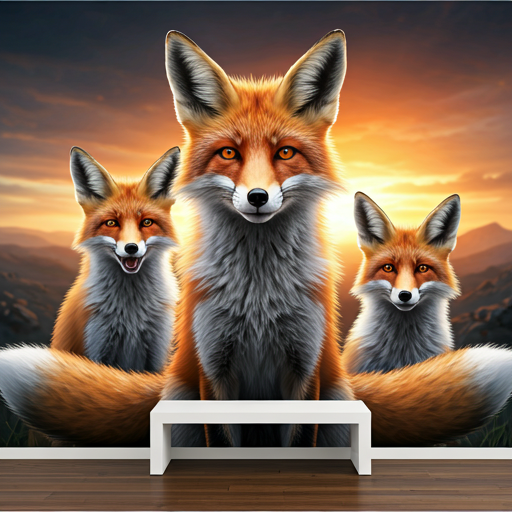
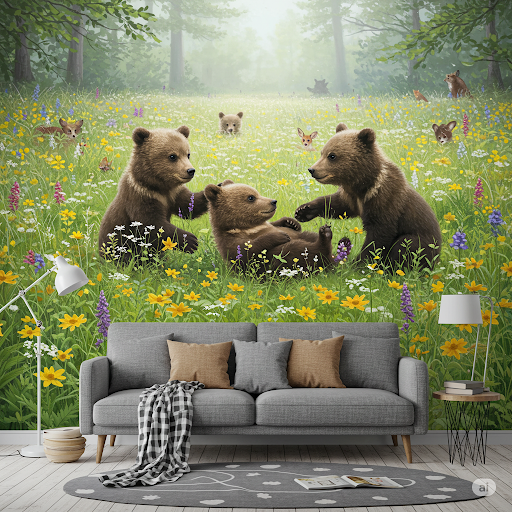
Monkeys, Otters, Fox kits, or Songbirds.
The Impact
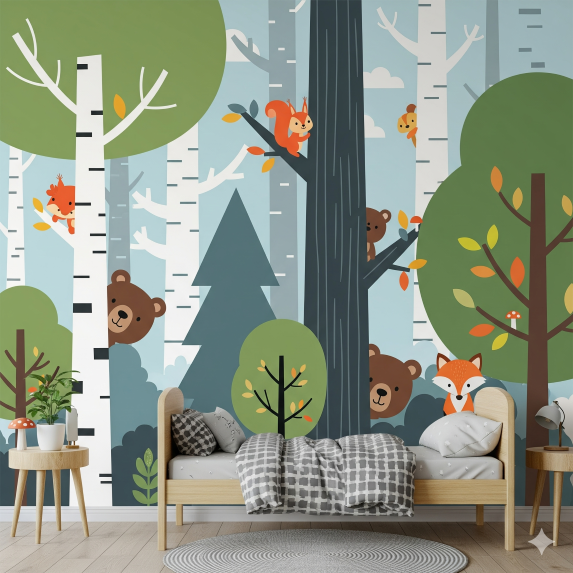
These animals represent the lighter side of life. They evoke curiosity, social bonds, and joy. Using these subjects can soften a room that feels too formal or rigid.
Best For
Kitchens, playrooms, or communal dining areas.
Subconscious Cue
“Connection and joy are the priorities here.”
5. The Purpose of Wildlife Wall Art
Wildlife art transcends simple decoration, serving a deeper functional and emotional role within a home. It acts as a bridge between our urban lives and the natural world, fulfilling several key purposes:
Conservation Awareness
Many modern wildlife artists use their work to highlight endangered species and the urgent importance of habitat preservation. By bringing the beauty of threatened animals into the home, these pieces act as silent advocates. They foster a sense of environmental responsibility, turning a decorative choice into a meaningful statement on global biodiversity.
Biophilic Benefits
Visual contact with nature-themed art is a cornerstone of biophilic design, which has been shown to lower cortisol levels and significantly reduce stress. Incorporating images of the wild into indoor environments mimics the restorative effects of being outdoors. This “green” visual stimuli promotes mental clarity, emotional grounding, and overall psychological well-being.
Narrative & Personality
Unlike a generic geometric pattern, a wildlife piece often tells a specific story or reflects the homeowner’s personal connection to a species or travel experience. Whether it’s a memory of a safari or a lifelong admiration for a particular bird, these pieces inject soul into a room, making it uniquely personal.