Welcome to Interior Design Services


The rationale of sound office mural ideas is typically to balance professional branding with an inspiring atmosphere. For a space in a hub like Nairobi, blending global corporate trends with local textures or “Green City in the Sun” aesthetics can create a particularly powerful impact.
Here is an overview of office mural ideas categorized by their primary purpose:
Branded & Mission-Driven Office Mural Ideas
The brand murals transform a workplace into a storytelling canvas, reinforcing identity for both staff and visitors. By integrating a company’s unique narrative directly onto the walls, you foster a sense of belonging and purpose. It turns static architecture into a dynamic tool for communication, culture-building, and professional brand alignment.
Core Values Typography
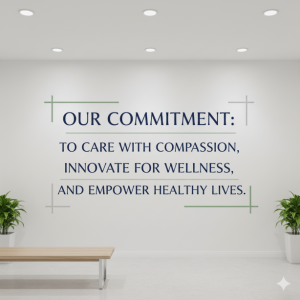
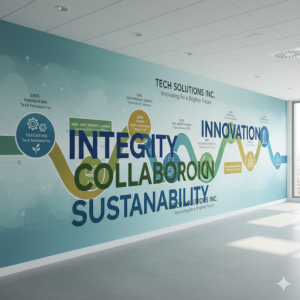
This approach uses large-scale, stylized text to keep a company’s mission front and center. By applying bold fonts and specific brand colors, these murals act as a daily visual compass for employees. They solidify culture by turning abstract principles into a physical, high-impact presence that defines the room’s energy.
Timeline & Evolution
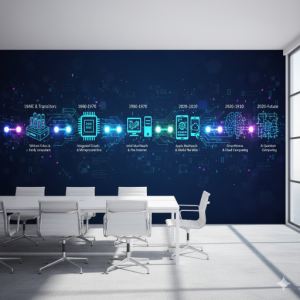
A “Heritage Wall” serves as a chronological mural, illustrating a company’s journey from its founding roots to its future aspirations. This design builds institutional pride and trust by showcasing major milestones, growth, and resilience. It is particularly effective in reception areas, offering clients an immediate, visual history of the brand.
Abstract Brand Colors
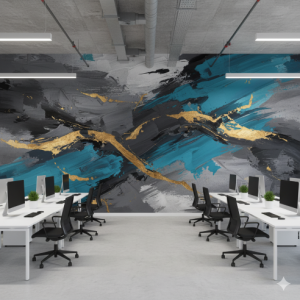
For a sophisticated look, use geometric shapes or fluid lines that incorporate the brand’s color palette without being overly literal. This method creates a cohesive, professional atmosphere that feels branded yet artistic. It’s an excellent way to maintain visual interest and modern aesthetics while subtly reinforcing the corporate identity.
Nature & Biophilic Murals
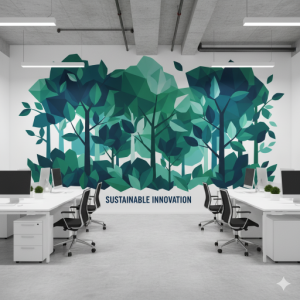
Biophilic design is a leading 2026 trend, prioritizing the innate human connection to nature. By “bringing the outdoors in” through murals, offices can reduce employee cortisol levels, enhance mood, and boost productivity by up to 15%. These visual elements act as “quiet zones” for the mind, fostering a restorative atmosphere.
Lush Landscapes
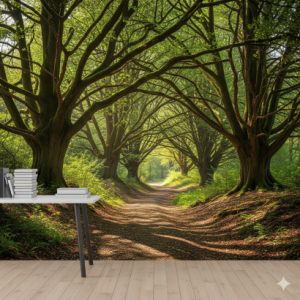
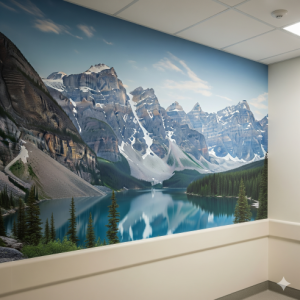
Lush landscape murals depict expansive scenes like dense forests, misty mountains, or rolling botanical gardens. For a Kenyan workspace, using a stylized savanna or the iconic silhouette of Mt. Kenya provides a grounding “sense of place.” These panoramic views provide visual relief, helping staff reset during high-pressure work periods.
Oversized Botanical Prints
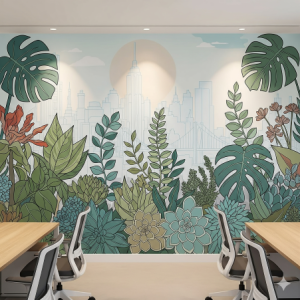
Oversized prints feature hyper-detailed, large-scale illustrations of flora such as African lilies, succulents, or proteas. These designs turn walls into soft, organic focal points, making them ideal for reception areas or breakrooms. The macro-focus on nature’s intricate patterns promotes tranquility and helps soften the harsh lines of corporate furniture.
“Window to the World”
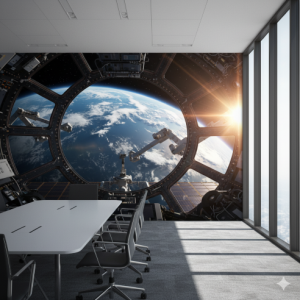
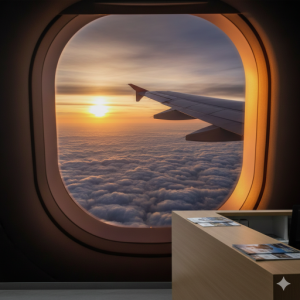
“Window to the World” murals are hyper-realistic scenic vistas designed to trick the eye into seeing an external view. They are transformative for windowless offices or basement levels, creating an illusion of depth and openness. By simulating a horizon, these murals prevent feelings of claustrophobia and provide a “digital” escape.
Modern Geometric & Abstract Office Mural Ideas
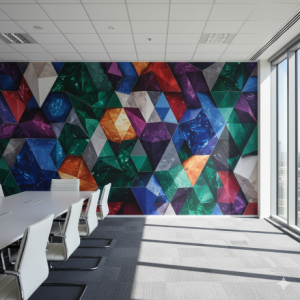
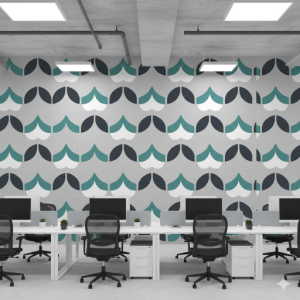
Abstract murals are often the safest bet for open-plan offices as they provide visual interest without being distracting. These designs favor clean lines and fluid forms, creating a sophisticated backdrop that complements modern furniture. They prevent visual monotony in large spaces while maintaining a professional, neutral atmosphere conducive to deep focus.
3D Geometric Patterns
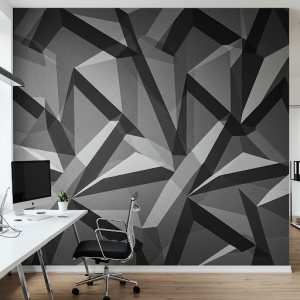
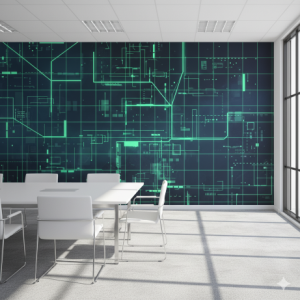
Using shading and perspective, 3D geometric murals create an illusion of depth, making flat walls look textured or recessed. These patterns, like interlocking hexagons or “trompe l’oeil” cubes, add a dynamic, high-tech edge to boardrooms or tech hubs. They physically transform the perception of space, adding architectural weight without renovation.
Minimalist Line Art
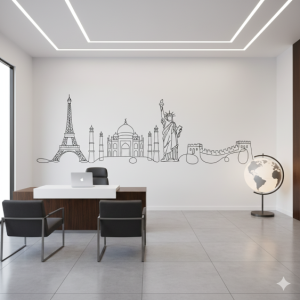
Thin, continuous line drawings that cover a large surface area are particularly effective for “industrial” or “modern minimalist” office aesthetics. These “one-line” murals offer an understated elegance, bringing movement and balance without overwhelming the room. They work beautifully on exposed brick or concrete-textured walls, adding a human, artistic touch.
Color Psychology Blooms
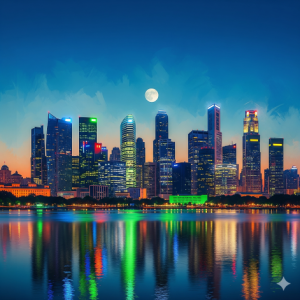
“Color Psychology Blooms” use targeted color clusters to influence mood and productivity. Cool blues and greens are strategically placed in high-focus “quiet zones” to promote calm, while vibrant yellows and oranges are used in creative “war rooms” to spark energy. This intentional use of color helps psychologically “zone” a multi-purpose office.
Community & Collaboration Murals
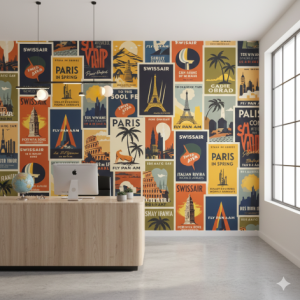
Community murals are essential “social anchors,” best placed in high-traffic areas like “chill zones” or cafeterias. These designs shift the focus from individual tasks to collective identity, turning a functional breakroom into a vibrant hub. They encourage spontaneous interaction, foster a sense of belonging, and remind employees they are part of a larger, supportive ecosystem beyond their desks.
Local Landmarks
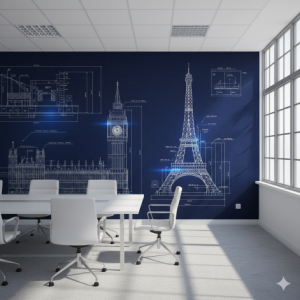
Illustrating local skylines, such as the iconic KICC and Upper Hill silhouettes in Nairobi, celebrates the office’s geographic roots. Incorporating cultural symbols or neighborhood maps anchors the brand within its community, building institutional pride. These murals resonate with both local staff and visiting international clients, providing a distinct, authentic “sense of place” that feels grounded and connected.
Interactive Chalkboard/Whiteboard Murals
These murals feature a professionally designed artistic border—often reflecting the company’s brand or industry—with a central area left blank for employee participation. This interactive canvas allows teams to brainstorm, leave motivational messages, or doodle during breaks. By inviting employees to contribute, the mural becomes a living, evolving document of the office’s current energy and collective creativity.
Key Considerations for Your Space
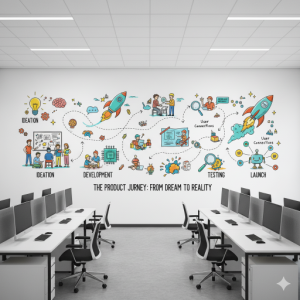
When selecting a mural for a corporate environment, the technical and psychological “fit” is just as important as the design itself. Since you are looking at this from a wallpaper industry perspective, especially within the Nairobi market, the following factors can help guide you toward the right choice.
Functional Zoning (Color & Mood) Office Mural Ideas
The psychological impact of a mural must align with a room’s specific function to prevent unintended fatigue or anxiety. Strategic color placement transforms a wall from mere decoration into a functional tool that regulates energy. By “zoning” with color, you create a subconscious roadmap that tells employees when to focus and when to rest.
Productivity Zones (Open Offices)

For high-concentration areas, utilize Blues and Greens. Research indicates that Blue helps lower heart rates and aids deep concentration, while Green minimizes eye strain—an essential benefit for teams spending long hours behind computer screens. These cool tones foster a stable, calm environment that sustains mental endurance throughout the workday.
Creative Zones (Brainstorming Rooms)
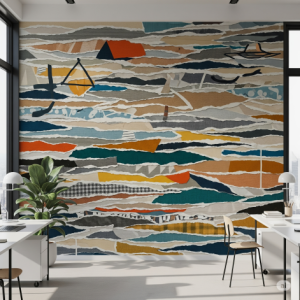
Inspiration thrives on Yellows and Oranges. These high-energy hues spark optimism and “outside-the-box” thinking, making them ideal for collaborative “war rooms” or design studios. These warm tones stimulate mental activity and communication, ensuring that brainstorming sessions remain vibrant and that energy levels stay high during creative problem-solving.
High-Detail Zones (Accounting/Legal)
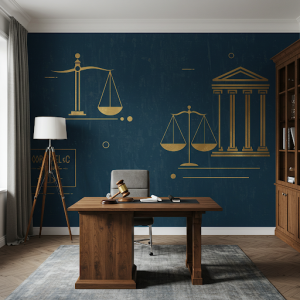
In environments requiring intense focus on repetitive or detail-oriented tasks—like proofreading or data entry—subtle touches of Red can be effective. Red is known to increase heart rate and alertness. However, it must be used sparingly as an accent to avoid causing agitation or a sense of “alarm” among staff.
Social Zones (Cafeterias/Lounges)
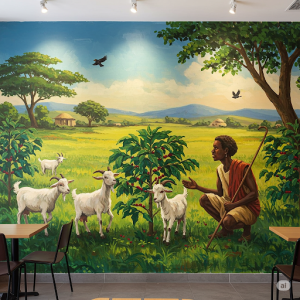
For areas dedicated to rest, such as cafeterias and lounges, Deep Teals or Earth Tones are most effective. These colors encourage the parasympathetic nervous system to engage, promoting relaxation and genuine decompression. By mirroring natural environments, these tones help employees mentally “unplug” during breaks, ensuring they return to work refreshed.
Spatial Perception & Scale Ideas
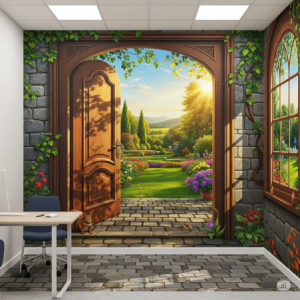
A mural physically alters a room’s perceived dimensions, making it an essential tool for Nairobi’s diverse office layouts. By manipulating lines and colors, you can correct architectural flaws—like narrow corridors or low ceilings—without structural changes. Understanding scale ensures the design enhances the workspace rather than making it feel cluttered or hollow.
Ideas For Small/Windowless Offices
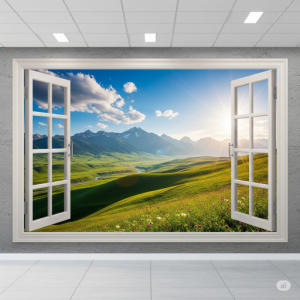
In cramped or windowless areas, landscape murals with a clear “vanishing point”—such as a path receding toward the horizon—create an immediate illusion of depth. This perspective “breaks” the wall, tricking the brain into perceiving a view beyond the room. It effectively eliminates claustrophobia, making small offices feel significantly more expansive and airy.
Office Mural Ideas For Low Ceilings
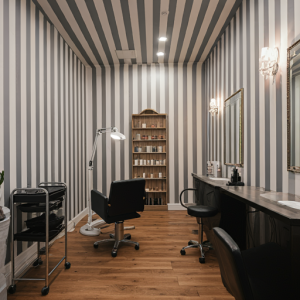
To combat the restrictive feel of low ceilings, utilize vertical patterns or imagery like towering forest trees and skyscrapers. These elements draw the eye upward, visually elongating the walls to create a sense of height. For best results, use slim-width patterns and avoid horizontal breaks that would otherwise emphasize the ceiling’s proximity.
Proportional Balance
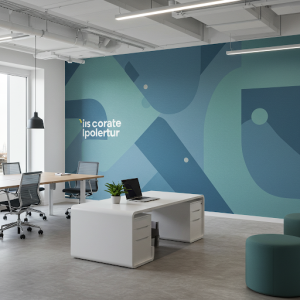
Achieving proportional balance means matching the mural’s size to the room’s volume. In a massive lobby, a tiny design looks like an afterthought. Conversely, a dark, complex mural can overwhelm a small meeting room. Aim for a “human-scale” focus where the primary focal point sits comfortably at eye level to ensure harmony.
Lighting Interaction
Lighting can drastically alter the colors of your wallpaper.
Natural Light
South-facing windows (common in Kenya) provide warm light that can make cool blues look slightly gray. North-facing light is cooler and can make warm colors look flatter.
Glare Management
For walls directly opposite windows or bright LED panels, recommend Matte or Sand-textured finishes. Glossy finishes will create “hot spots” of reflected light, making the mural hard to see and causing headaches for staff.
Color Temperature
Standard office LEDs (~4000K) are neutral. If the office uses warmer “homey” lighting, the yellows in a mural will become much more vibrant.
Technical Durability & Surface Prep
For a professional installation, the wall “under” the wallpaper is the most critical factor.
Moisture Levels
In tropical climates, ensure the wall has a moisture reading below 5%. If the wall is damp, the adhesive will fail, leading to peeling or mold.
The “Double-Cut” Method
For high-end murals, professional installers use a double-cut seam method to ensure the pattern aligns perfectly with zero visible gaps.
Surface Finish
Walls should be “Level 5” smooth. Any bumps, old nail holes, or grit will show through the wallpaper once the adhesive dries, especially on thinner non-woven materials.
Sustainability & Health (VOCs)
Modern corporate clients often have ESG (Environmental, Social, and Governance) goals.
Non-Toxic Inks
Recommend Latex or UV-curable inks that are odorless and have low VOC (Volatile Organic Compound) emissions. This is vital for offices where employees will be breathing the air immediately after installation.
FSC-Certified Media
Offering FSC-certified paper or non-woven substrates ensures your murals are sourced from responsibly managed forests. This certification guarantees that the wood fibers used are harvested legally, protecting biodiversity and indigenous rights. For corporate clients in Nairobi, providing these sustainable options supports their ESG (Environmental, Social, and Governance) goals while ensuring premium product durability.
Showing 1–10 of 28 results
Showing 1–10 of 28 results