


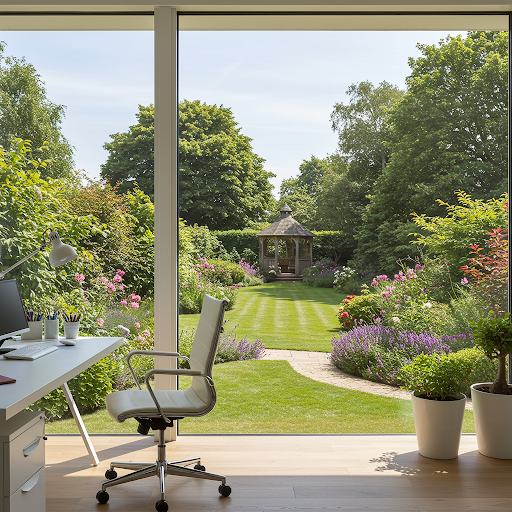
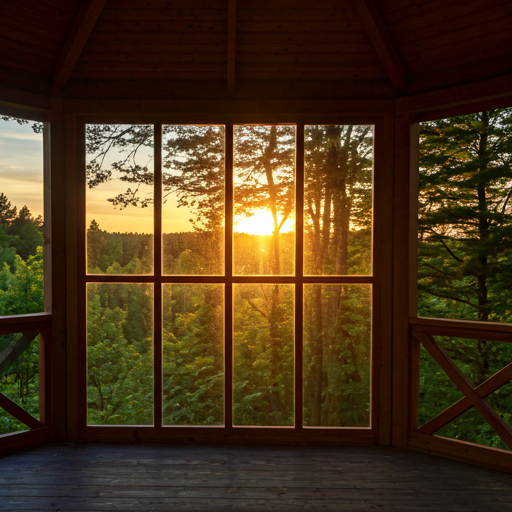
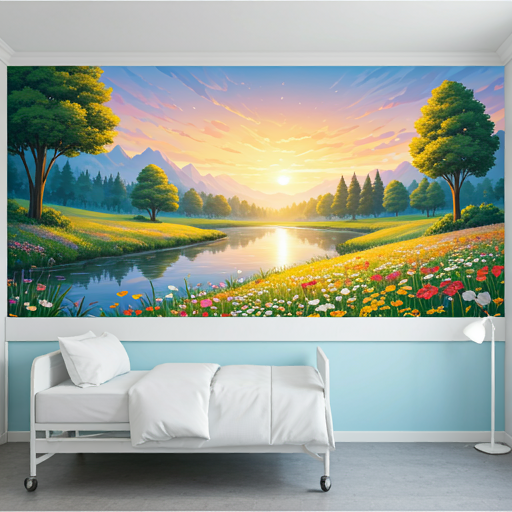
Description
The “Panoramic” Mural Format
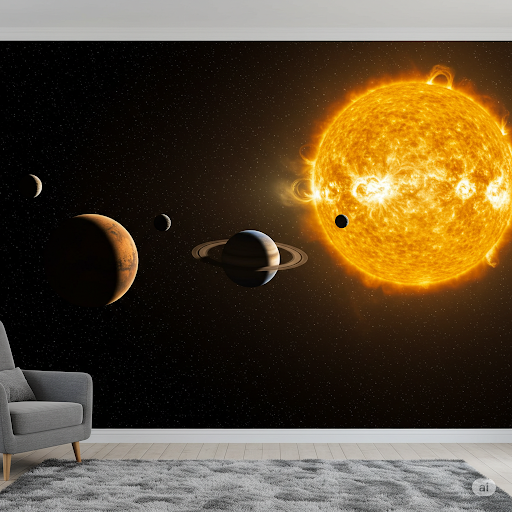
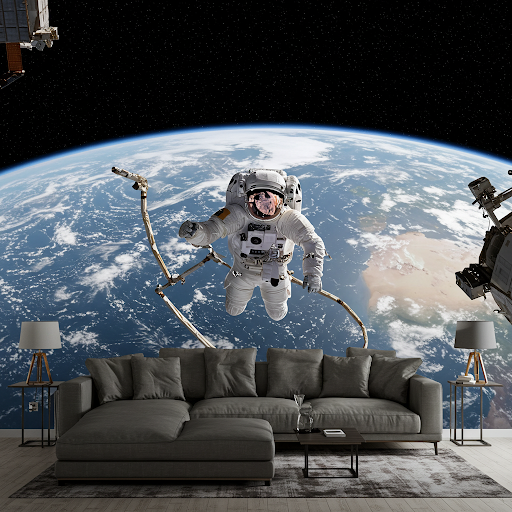
A 3D Panoramic Mural is a large-scale wall covering that combines two distinct design elements. That is a Panoramic width (a continuous, non-repetitive horizontal view) and 3D depth (visual illusions that create space).
The term “panorama” derives from the Greek words pan, meaning “all,” and horama, meaning “view.” Literally translates to “an all-encompassing view.” It refers to a wide-angle visual representation that extends far beyond the standard field of vision.
The word was coined in the late 18th century by painter Robert Barker to describe his 360-degree cylindrical paintings, which were designed to immerse viewers completely within a scene. In the context of modern murals, a panorama denotes a continuous, unbroken image that captures the full breadth of a landscape or cityscape. And prioritizing a sense of limitless horizon and spatial freedom over contained boundaries.
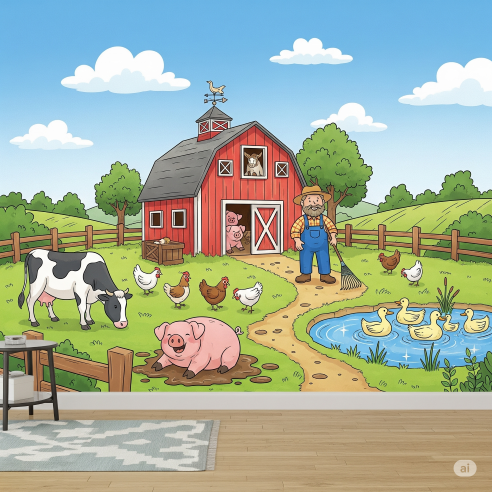
Unlike standard wallpapers that rely on repeating patterns, a 3D Panoramic Mural functions as a single, massive piece of art. It wraps around a room or spans an entire wall, specifically designed to immerse the viewer in a different environment.
No Repetitions
Unlike standard wallpaper, which relies on a mechanical pattern repeating, a panoramic mural is a singular, cohesive composition. It rejects the “stamp” effect of traditional wallcoverings in favor of a unique, sprawling canvas. This format allows for a seamless landscape that can extend 5, 10, or even 20 meters across a wall without duplicating a specific tree, architectural feature, or cloud formation. By eliminating repetition, the mural maintains the illusion of reality and depth. Each inch of the wall offers a new detail to discover. And this treats the interior architecture as a frame for a vast, custom-designed view. And not just a surface for mere decoration.
Narrative Flow
The continuous nature of a panoramic mural does more than cover a wall. It actively directs the viewer’s experience of the space. Because there are no jarring breaks or artificial loops in the design, the image guides the eye smoothly across the room. And unfolding a visual story from left to right. This lateral movement mimics the biological action of scanning a natural horizon. Thus tapping into an innate human preference for wide, open vistas. The result is a visual experience that feels organic rather than manufactured. By encouraging this gentle, sweeping gaze, the mural creates a calming, meditative atmosphere that anchors the room and soothes the mind.
Wrap-Around Capability
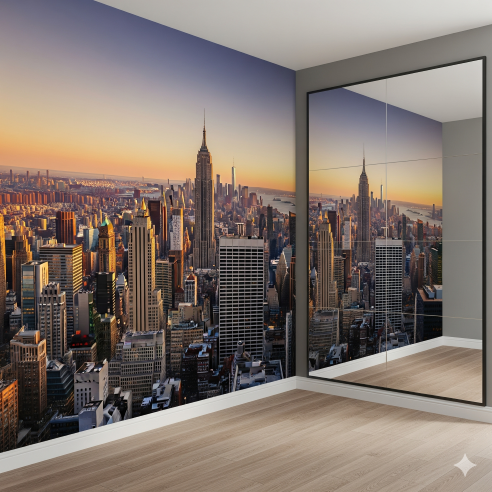
True panoramic murals unlock the potential to completely dissolve the physical boundaries of a room. By designing the imagery to wrap seamlessly around corners, the landscape continues uninterrupted from one wall to the next. Thus defying the box-like structure of the interior. This technique creates a 360-degree immersive environment. And effectively turns the space into a “glass box” viewing platform situated within a forest, a city skyline, or an imagined world. The viewer is no longer just looking at a picture; they are standing inside it. This envelopment alters spatial perception. And makes corners disappear, allowing the atmosphere of the scene to dominate the entire sensory experience of the room.
The Panoramic Mural “3D” Depth Effect
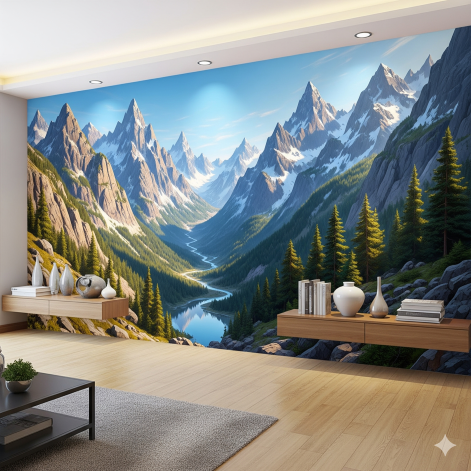
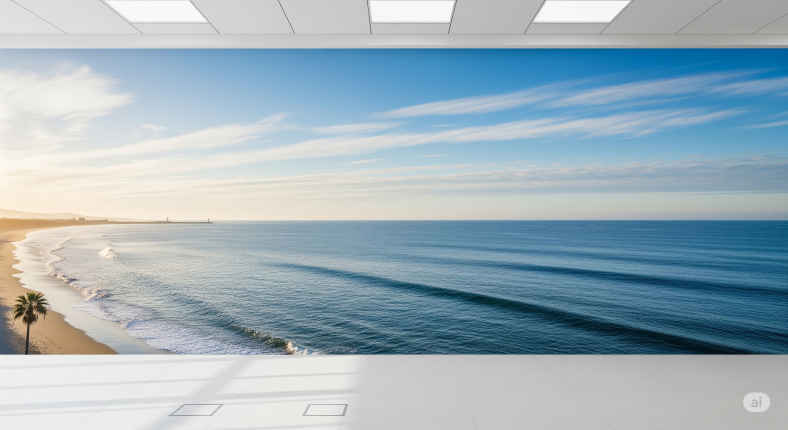
While the panoramic format delivers expansive horizontal width, the 3D element injects crucial volume into the flat surface. By manipulating perspective, light, and shadow, these murals transform a two-dimensional wall into a “window.” Adding a trompe l’oeil third dimension that dramatically expands the room.
Z-Axis Extension
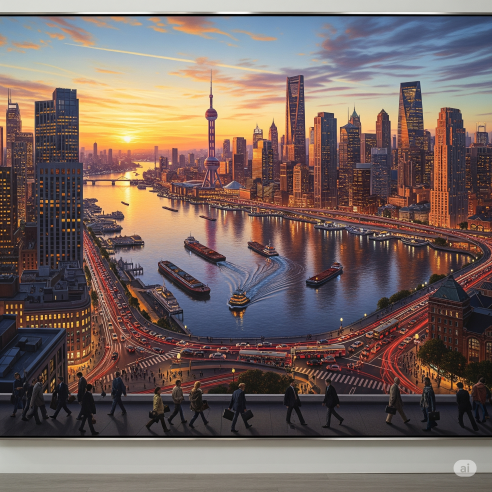
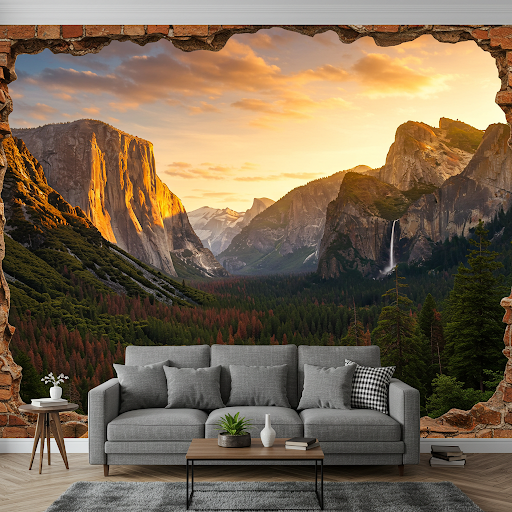
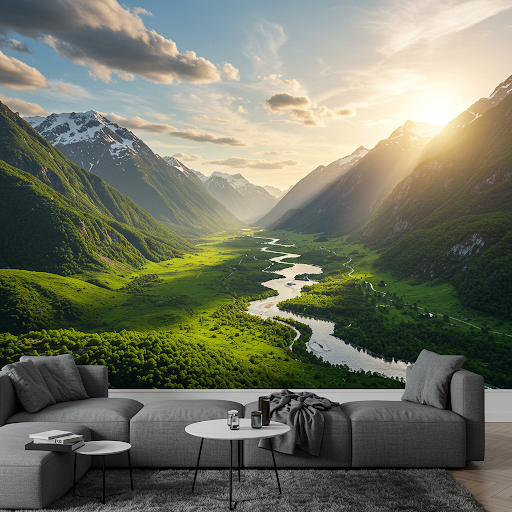
The “3D” effect is achieved by rigorously defining the Z-axis, or the plane of depth. This technique creates a visual hierarchy that mimics natural optical perception. Elements placed in the foreground—such as a hanging branch, a stone archway, or a balcony railing—are rendered with high contrast, sharp details, and large proportions. Conversely, the background elements—like distant mountains, rolling hills, or a fading city skyline—are painted softer, lighter, and smaller. This contrast, known as atmospheric perspective, forces the brain to perceive deep space. Effectively pushing the physical wall backwards and inviting the viewer to visually “step into” the scene.
Immersive Scale
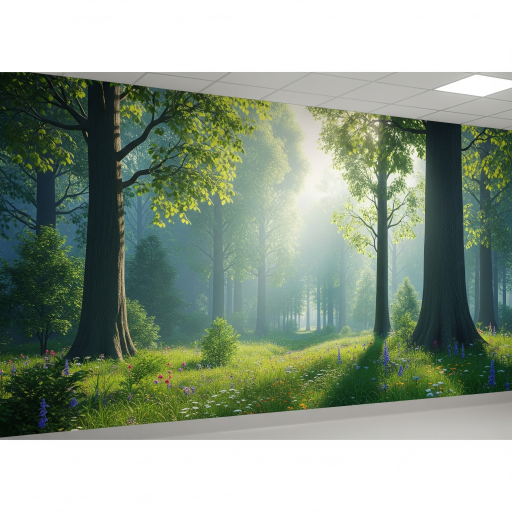
Scale is the final, critical component of the illusion. For the 3D effect to be convincing, panoramic murals are almost always printed at a 1:1 “life-size” ratio or even larger. A mural depicting a forest, for instance, will feature trees that stand two to three meters tall, matching the physical height of the viewer’s environment. This realistic proportioning prevents the image from looking like a mere poster. Instead, it tricks the brain into accepting the scene as an extension of the physical room. The solid wall appears to dissolve, replaced by the vast, immersive reality of the printed landscape.
Popular Panoramic Mural Themes
3D Panoramic Murals excel in categories that leverage wide-angle perspectives to maximize immersion. Whether natural, architectural, or abstract, these themes utilize the extended horizontal format to create vast, open environments that dramatically alter the perception of interior space.
Epic Landscapes
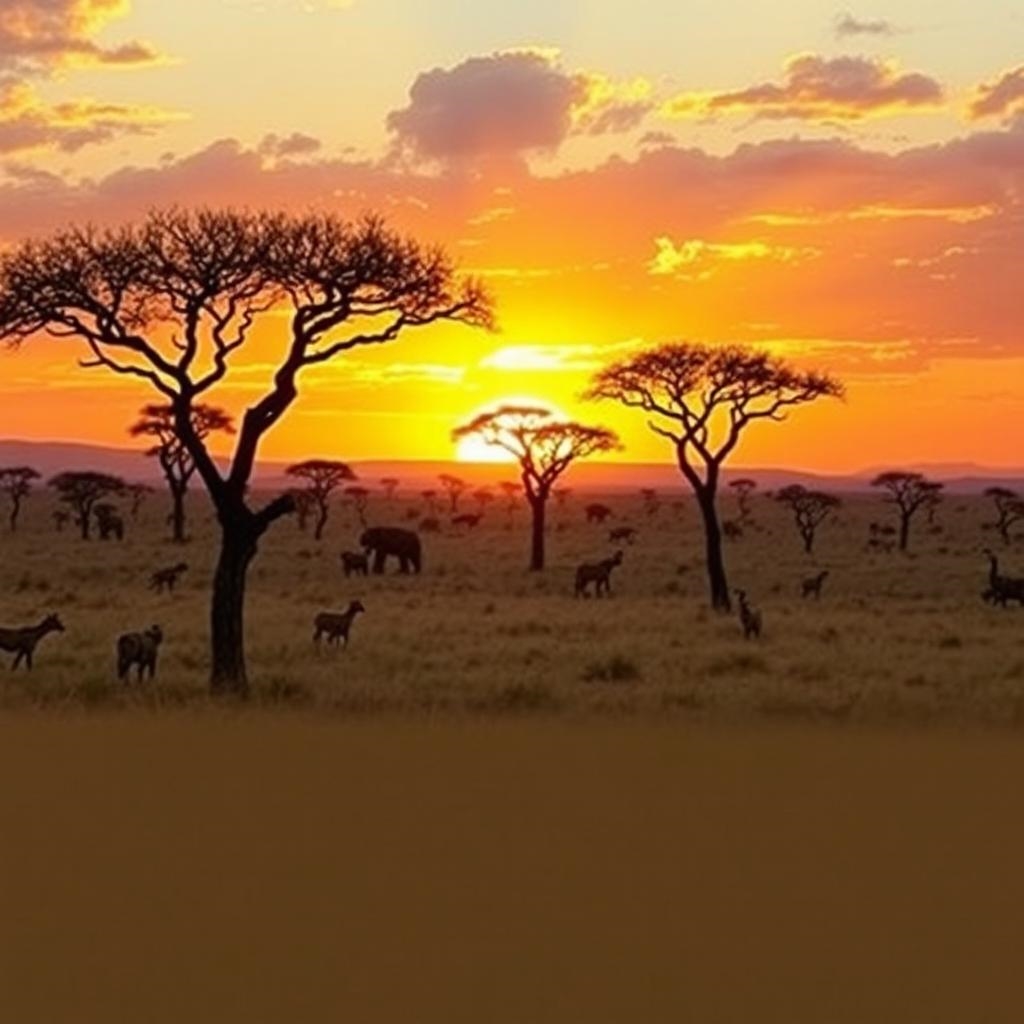
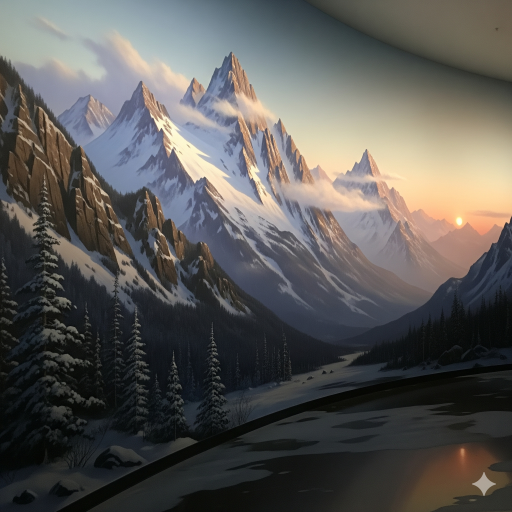
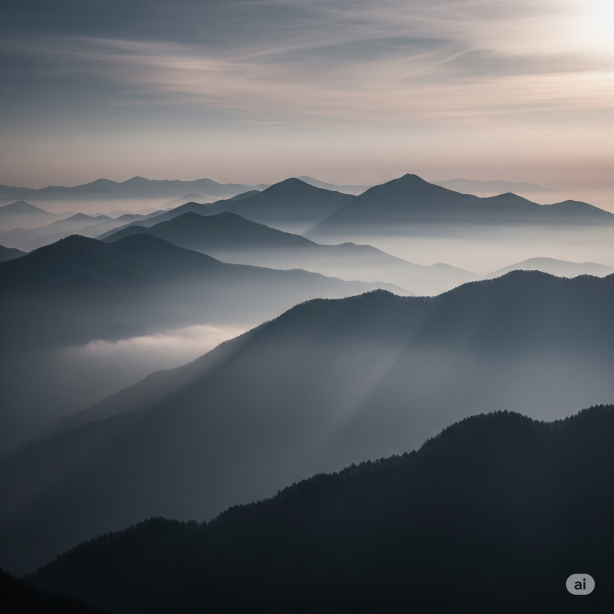
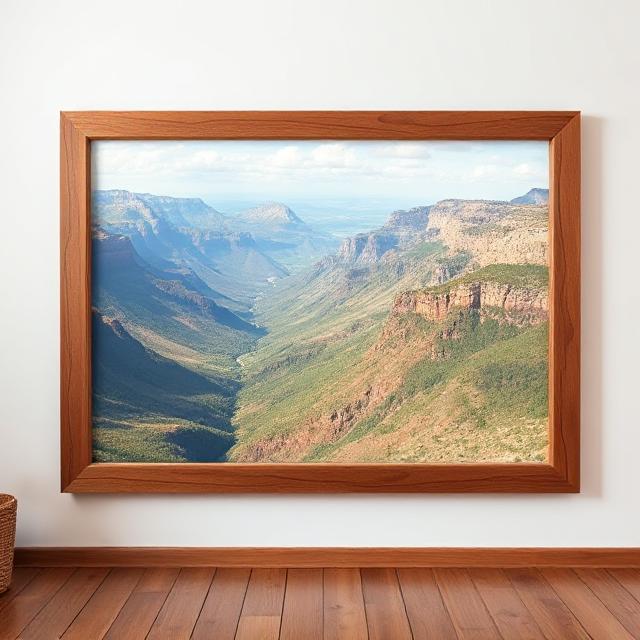
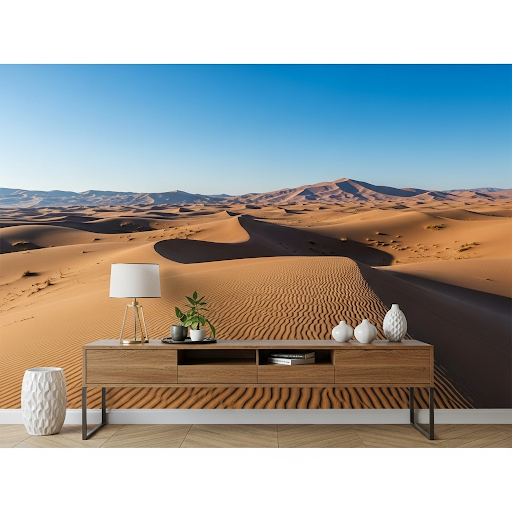
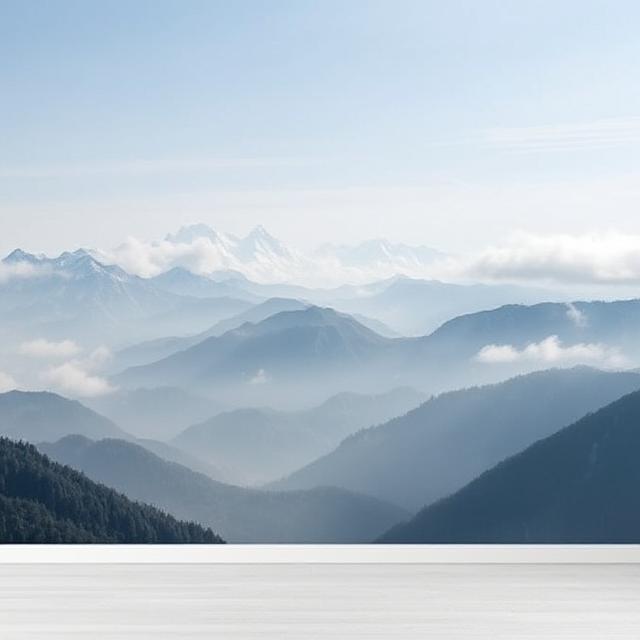
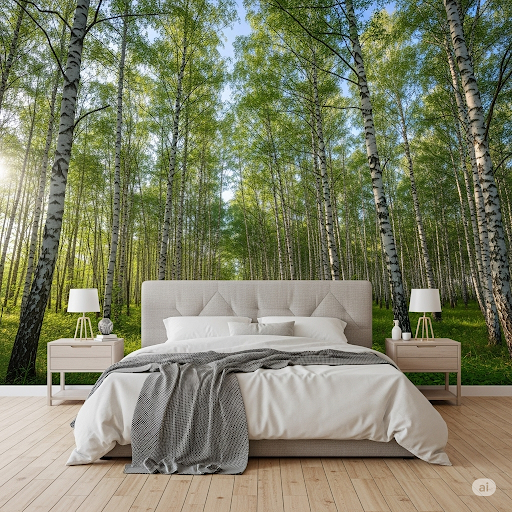
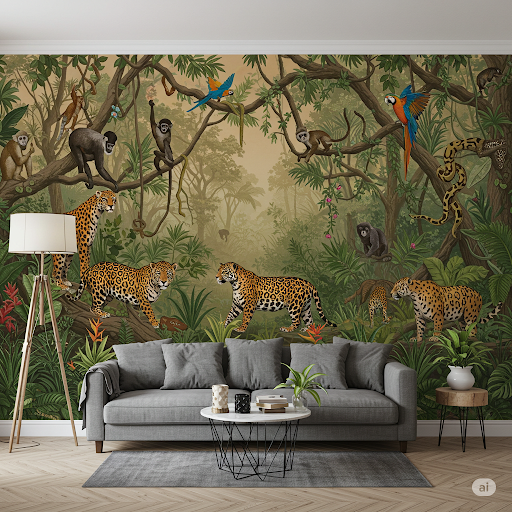
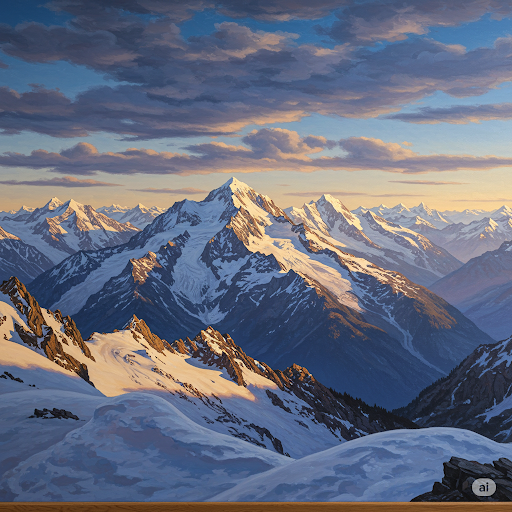
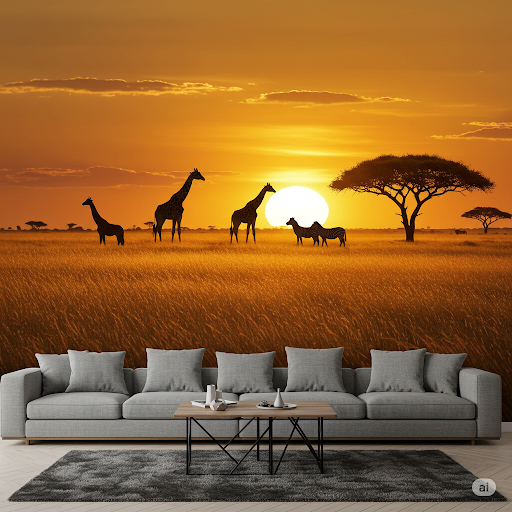
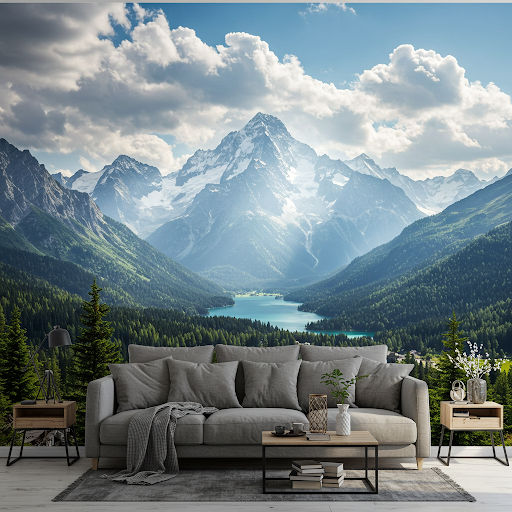
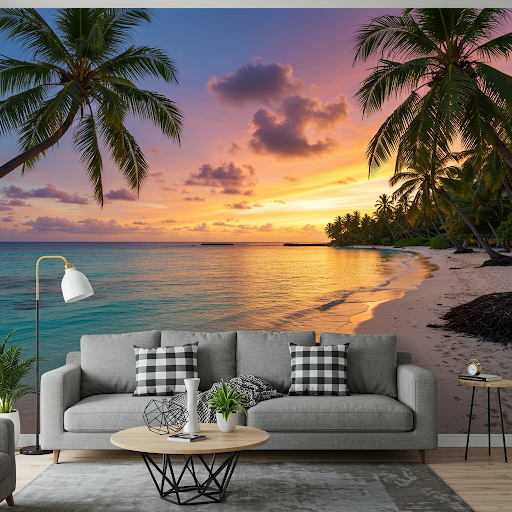
Nature scenes are the quintessential choice for panoramic applications because they inherently possess a deep, receding horizon line. Themes like misty mountain ranges, dense tropical rainforests, or endless desert dunes work powerfully to visually “push” the physical walls outward. By replacing a restrictive vertical boundary with a vast, open vista, these murals trick the eye into perceiving distance where none exists. This makes them particularly effective in smaller rooms or windowless spaces. The continuity of the landscape fosters a sense of freedom and airiness, transforming a cramped interior into a serene, expansive sanctuary that reconnects the occupant with the natural world.
Urban Skylines
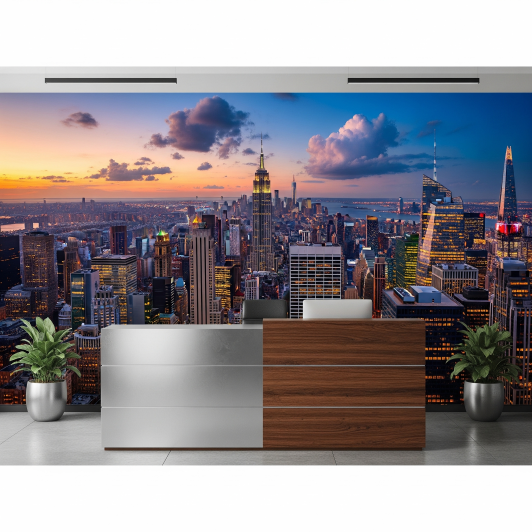
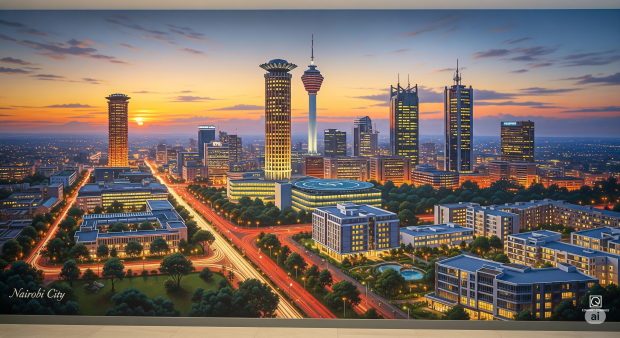
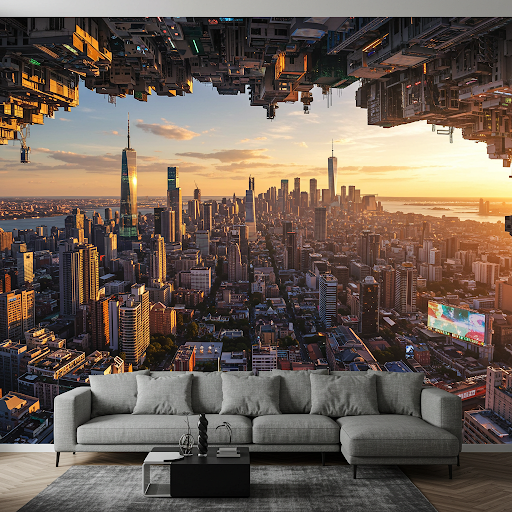
For a sophisticated, cosmopolitan atmosphere, urban skylines offer a dramatic alternative to nature. These murals simulate the coveted view from a high-rise penthouse, looking out over metropolises like New York, Tokyo, or Nairobi. The panoramic format is essential here. It captures the full breadth of the city—from the glittering lights of the Central Business District to the distant horizon—rather than just a single building. Whether depicting the golden hour or a nocturnal cityscape, these designs add architectural depth and a sense of prestige. They effectively turn a plain office wall into a window overlooking the world’s most dynamic energy centers.
Abstract Geometry
Moving away from realism, abstract geometric murals utilize the panoramic canvas to create rhythm, motion, and optical intrigue. These designs often feature flowing 3D waves, tunneling spirals, or floating spheres that appear to drift across the room. Unlike static patterns, these compositions use shadow and perspective to create a “tunnel” effect or a rippling surface that seems to protrude from or recede into the wall. This adds a layer of modern dynamism and energy to the space. They are particularly effective in creative offices or tech-focused environments where the goal is to stimulate the mind and suggest innovation, fluidity, and forward momentum.
Technical Advantages
Custom Sizing
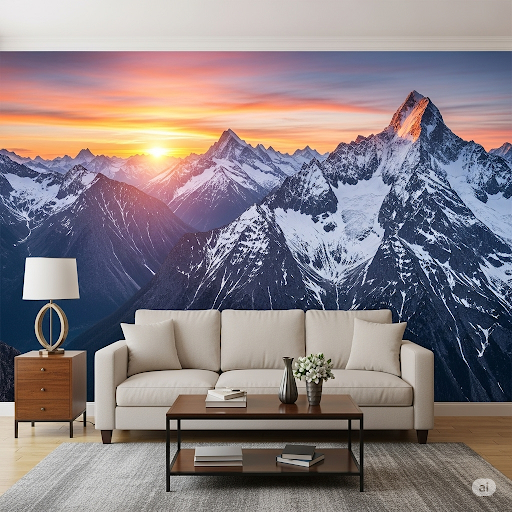
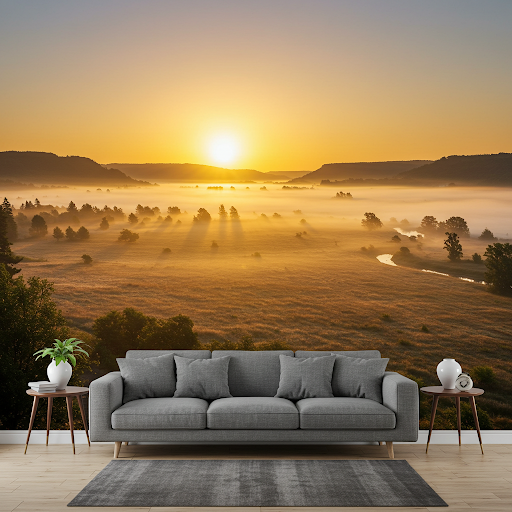
Unlike buying rolls off the shelf, panoramic murals are “made-to-measure.” The image is cropped and scaled specifically to fit your wall dimensions, ensuring the focal point (e.g., the sun or a specific building) isn’t hidden behind a sofa.
Seamless Materials
High-end panoramic murals are often printed on a single continuous piece of fabric (up to 3 meters high and 50 meters long) or wide-width vinyl. This eliminates the vertical seams found in traditional wallpaper, which is critical for maintaining the 3D illusion.